The short answer
Park Slope homeowners should have their chimneys inspected once a year, as the NFPA 211 standard calls for. Book a more detailed inspection when something changes, such as an oil-to-gas boiler conversion, a home sale, or reopening an old fireplace. Scheduling before New York City's heat season starts on October 1 leaves time for repairs.
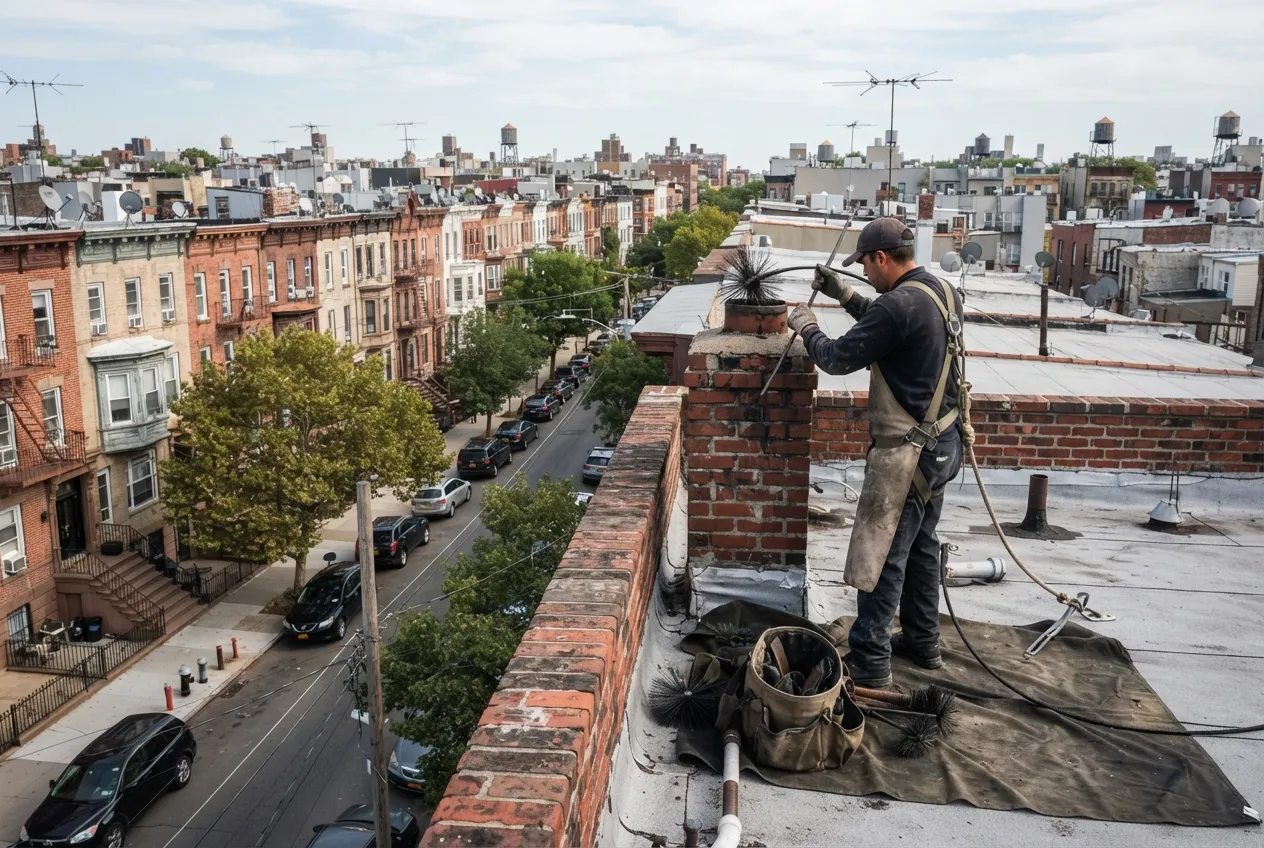
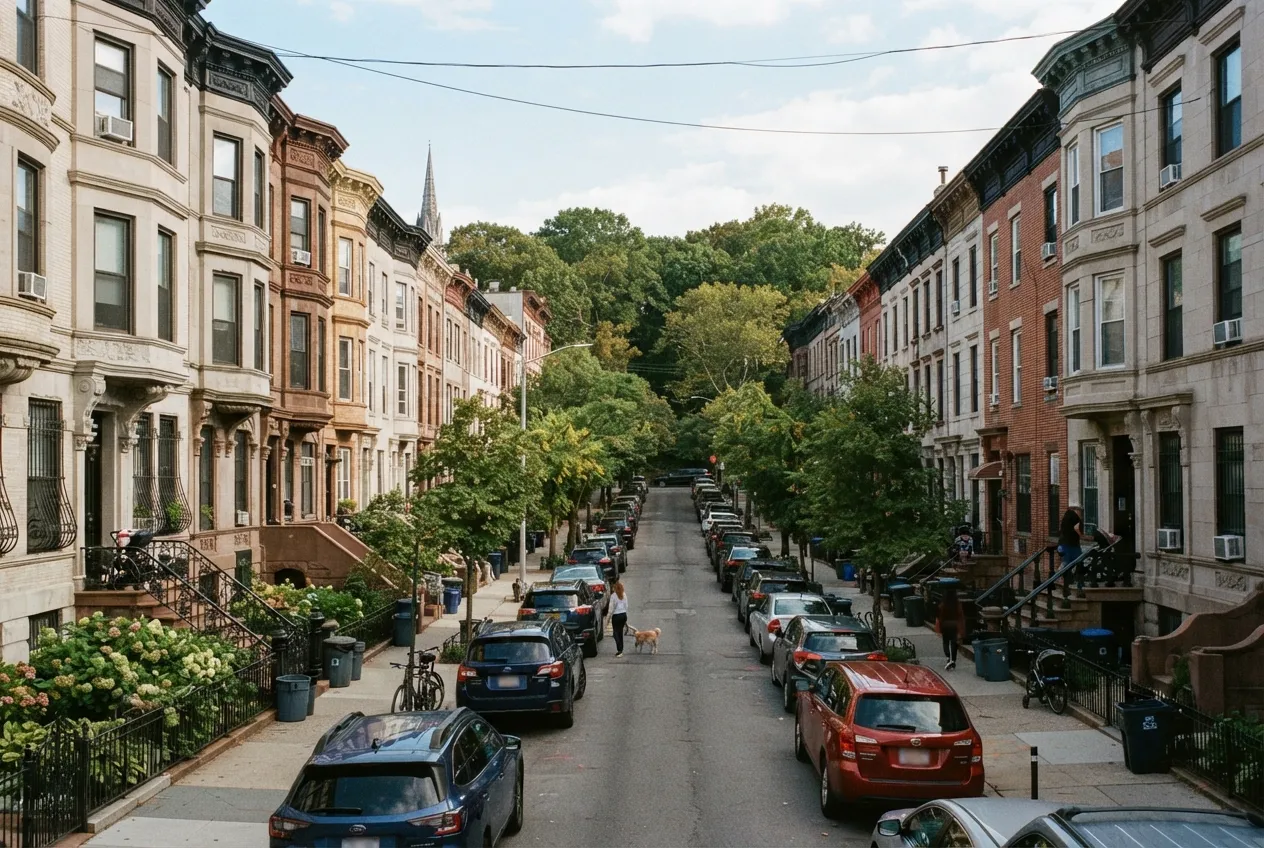
Park Slope is known for its brownstones, rowhouses and pre-war apartment buildings, and many still have their original masonry chimneys. Some serve working wood-burning fireplaces, some vent a boiler or water heater, and some have been closed off for decades. A chimney inspection tells you which flues are safe to use, which need repair, and which should stay out of service. Our certified technicians work from our office in Prospect Heights, about a mile northeast of Park Slope, and inspect chimneys in homes throughout the neighborhood, including the 11217 ZIP code.
Which inspection level your Park Slope home needs
The NFPA 211 standard calls for chimneys, fireplaces and vents to be inspected once a year. It also describes three levels of inspection. The right level depends on what has changed with your chimney since its last inspection.
- Level 1: For a chimney in regular use with no changes. We check the readily accessible parts of the chimney, the firebox and the appliance connections for soundness, blockages and buildup.
- Level 2: For when something changes, such as a new boiler, a switch from oil to gas, a fireplace being put back into service, or the sale of the home. It includes a camera inspection of the inside of the flue and a look at accessible areas such as the attic, roof and basement.
- Level 3: For when a hidden hazard is suspected and can only be reached by opening part of the chimney or building, such as a section of wall or chimney breast. This is rarely needed, and we explain why before recommending it.
What we look for in older Brooklyn chimneys
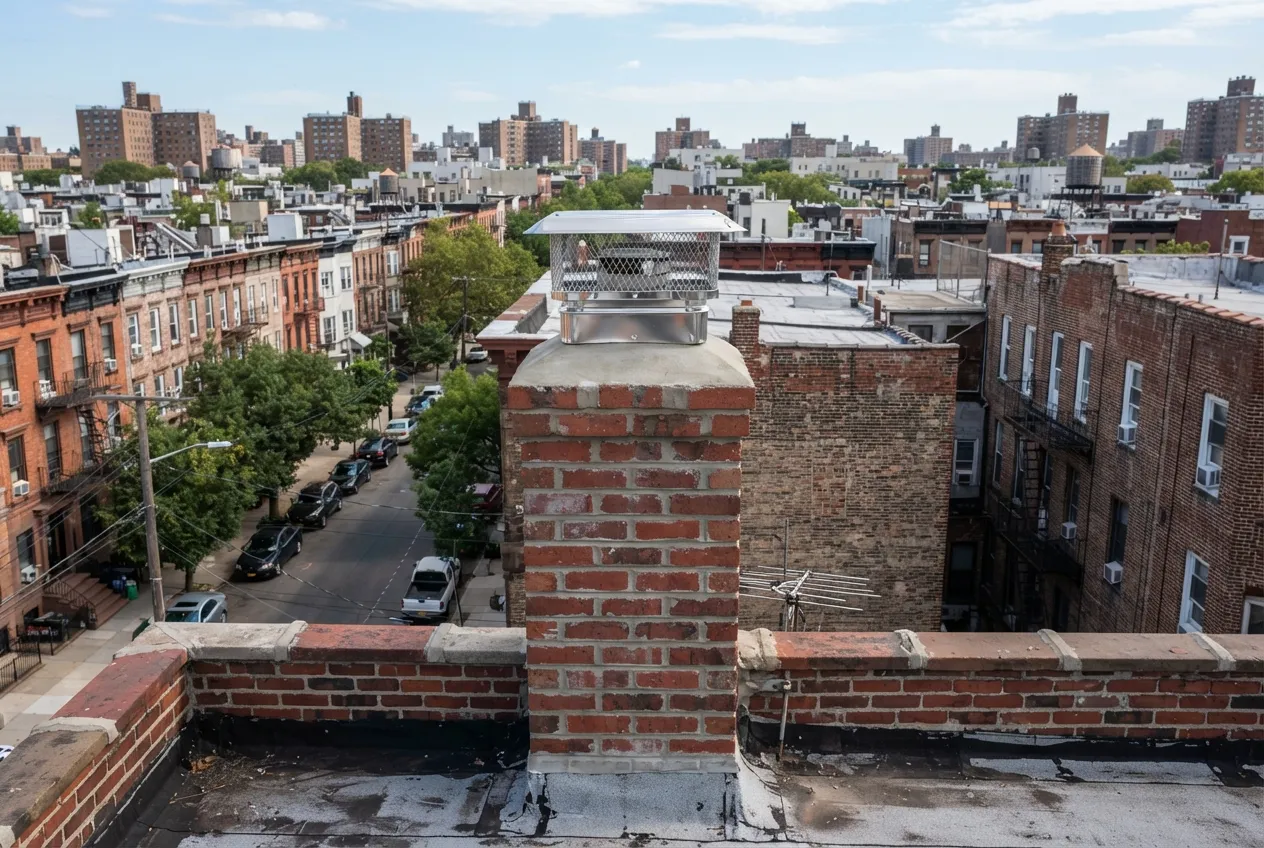
Most chimneys in Park Slope were built of brick long before modern liners and venting practices. Age alone isn't a problem, but certain issues show up more often in older chimneys.
In rowhouses and brownstones, chimneys often run inside party walls and sit close to a neighbor's flues. We note anything that could let smoke or exhaust travel where it shouldn't.
- Cracked or missing clay flue tiles, or unlined flues where bare brick is exposed to heat and exhaust
- Worn mortar joints, flaking brick and a cracked chimney crown on the roof
- Creosote buildup in wood-burning fireplaces
- Debris, nests or fallen masonry blocking flues that have sat unused
- Corrosion inside flues that vent a boiler or water heater
- Gaps where the fireplace or chimney meets wood framing, floors or a shared wall
When to schedule an inspection
New York City's heat season runs from October 1 through May 31. During that period, building owners must keep apartments heated to the city's minimum temperatures. Booking your inspection in late summer or early fall leaves time for repairs before the boiler runs every day and before your first fire of the season.
Oil-to-gas conversions are another common reason to inspect. When a New York City building converts its boiler from oil to gas, the chimney has to be evaluated as part of the work. A new liner is often needed, because gas exhaust produces acidic condensate that can corrode a masonry flue. We can inspect the flue before the conversion so you and your heating contractor know what to plan for.
If you're buying or selling a home, or you want to start using a fireplace that has been closed off, a Level 2 inspection gives you a clear picture of the chimney's condition.
Time for your annual chimney check?
What happens during the visit
We start by asking how you use the chimney: wood fires, gas logs, a boiler, or nothing at all. Then we inspect the firebox, damper, smoke chamber and appliance connections. We check the flue from inside the home and, when it's safe, from the roof. We put down drop cloths and keep the work area clean.
Afterward, we walk you through what we found and show you any photos or camera footage we took. We tell you plainly whether the chimney is ready to use. If something needs repair, we explain what it is and why it matters, and you decide what to do next.
Serving Park Slope and nearby neighborhoods
Our office is in Prospect Heights, so Park Slope is close by. We also inspect chimneys in Prospect Heights, Fort Greene, Clinton Hill, Downtown Brooklyn and DUMBO, where many homes have the same kinds of masonry chimneys and older heating systems.
More services in Park Slope
- Chimney Sweep in Park Slope
- Chimney Repair in Park Slope
- Air Duct Cleaning in Park Slope
- Chimney Liner Installation in Park Slope