The short answer
Air ducts in a Park Slope home are worth cleaning when there is substantial visible mold, signs of vermin, or excessive dust and debris inside them, which is common after renovation work. If an inspection doesn't find those conditions, cleaning is usually not needed, and duct cleaning has not been shown to prevent health problems.
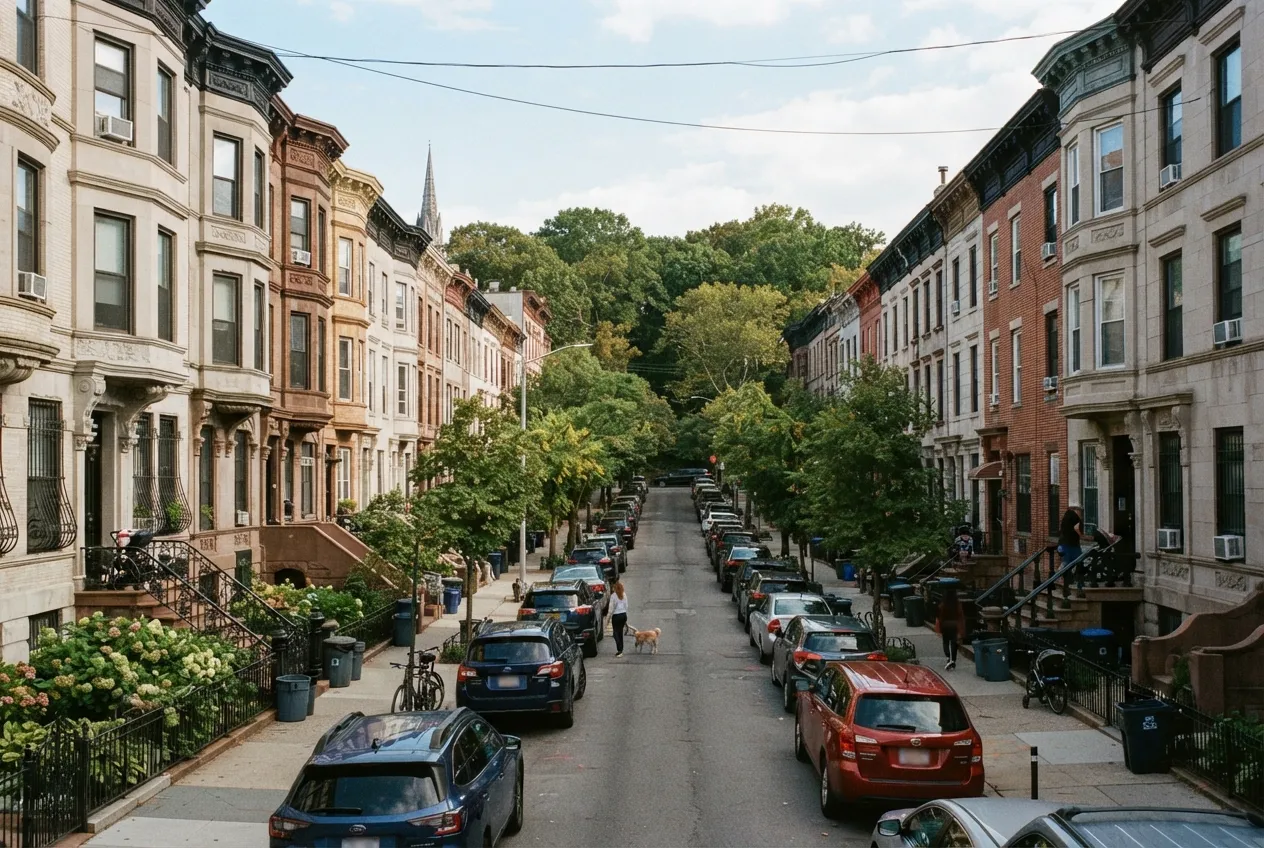
In Park Slope, air duct cleaning usually comes up in homes where ductwork was added to an older building: a brownstone retrofitted for central air, a rowhouse with a forced-air system tucked into closets and dropped ceilings, or a pre-war apartment with a newer ducted unit. Our certified technicians work from our office in Prospect Heights, about a mile away. We start by looking inside your ducts, and we only recommend cleaning when there is a clear reason for it.
When duct cleaning actually makes sense
The U.S. Environmental Protection Agency advises cleaning air ducts in a few specific situations. It also notes that duct cleaning has not been shown to prevent health problems. We follow the same approach. If your ducts don't show one of these conditions, we'll tell you so rather than sell you a cleaning you don't need.
- Substantial mold growth you can see inside the ducts or on other parts of the system
- Evidence of insects or rodents, such as droppings, nesting material or chewed insulation
- Excessive dust and debris, including dust that blows out of the registers when the system runs
- Construction dust left behind after a renovation, gut job or floor refinishing
Ductwork in Park Slope brownstones, rowhouses and apartments
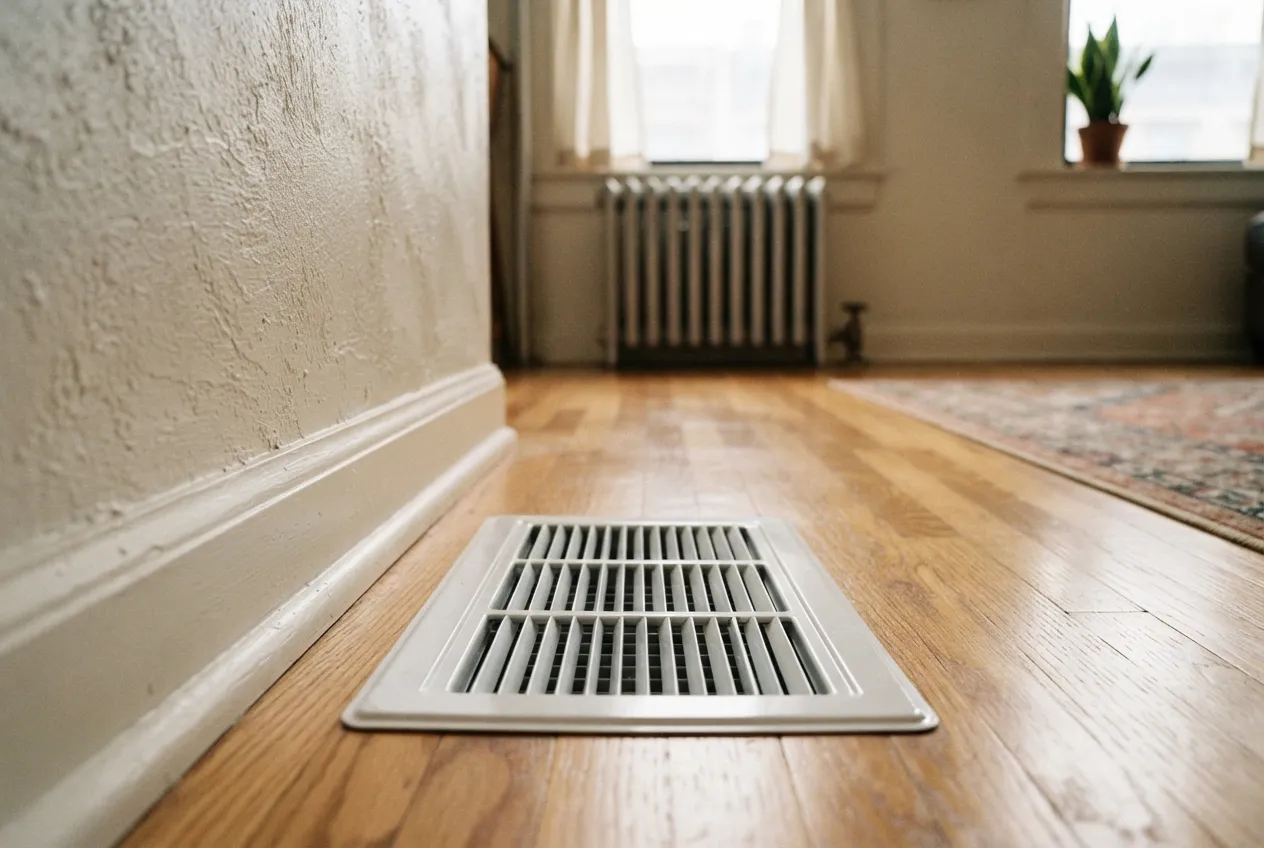
Most older Park Slope homes were built for radiators, not ducts. When central air or forced-air heat was added later, installers ran ducts wherever they would fit: through closets, above dropped ceilings, in narrow chases between floors, or across an attic or top-floor crawlspace. Those routes often have tight turns, long horizontal runs and flexible duct sections, and all of these collect dust and are harder to reach.
Renovation is the other big factor in this neighborhood. Plaster demolition, sanding and drywall work produce fine dust that the system pulls in and spreads, especially if it ran during the work without protection on the returns. In pre-war apartment buildings, a unit's ductwork may connect to an air handler in a closet or above the ceiling. We check what belongs to your apartment before we start.
What a duct cleaning visit involves
We begin with an inspection so you can see what we see. If cleaning is warranted, we work through the system section by section and leave the home the way we found it.
- Inspect the supply and return ducts, registers and accessible parts of the air handler
- Protect floors and furniture along the work path, which matters on finished stairs and original woodwork
- Put the ducts under negative pressure and loosen debris with brushes and air tools so it's pulled out instead of blown into rooms
- Clean registers, grilles and return openings
- Point out anything we notice, such as disconnected sections, gaps or a filter that doesn't fit properly
Time for your annual chimney check?
A word on cheap offers and chemical treatments
The EPA warns consumers to research the process before responding to very cheap advertised duct cleaning offers. Those offers often turn into a quick vacuum at the registers followed by a hard sell. The agency also urges caution with chemical treatments such as sanitizers and sealants. If a chemical product is ever proposed for your system, you should know exactly what it is, why it's being used and where it will be applied before you agree to anything.
Timing around the heating season
New York City's heat season runs from October 1 through May 31. If your home uses forced-air heat, early fall is a sensible time to deal with dirty ducts, before the system runs most days. If your ducts serve only central air and your heat comes from radiators, late spring is usually the better time to clean, before the cooling season starts.
If you use a clothes dryer, have its vent checked as well. According to the U.S. Fire Administration, failure to clean is the leading factor contributing to clothes dryer fires in homes.
Serving Park Slope and nearby neighborhoods
We work throughout Park Slope (ZIP 11217) in brownstones, rowhouses, pre-war apartment buildings and newer homes. We also serve nearby Prospect Heights, Fort Greene, Clinton Hill, Downtown Brooklyn and DUMBO. Because our office is about a mile away, scheduling an inspection in Park Slope is straightforward.
More services in Park Slope
- Chimney Sweep in Park Slope
- Chimney Inspection in Park Slope
- Chimney Repair in Park Slope
- Chimney Liner Installation in Park Slope