
Chimney, Dryer Vent and Air Duct Cleaning for Brooklyn Homes
TrueHearth Chimney Service sweeps, inspects and repairs chimneys and cleans vents and ducts in Park Slope, Prospect Heights, Fort Greene, Clinton Hill, Bedford-Stuyvesant, Crown Heights and nearby Brooklyn neighborhoods.
- We inspect and explain what we find before recommending any work.
- You get a written price before we start.
- We photograph the flue, vent or duct so you can see what we saw.
Services
Chimney and duct work we do
Most calls start with a sweep or an inspection. From there, the work depends on what we find, whether that's a cap that needs replacing, a damper that won't seal, a liner for a converted boiler, or nothing at all. Here's what we handle.
-
Chimney Sweep
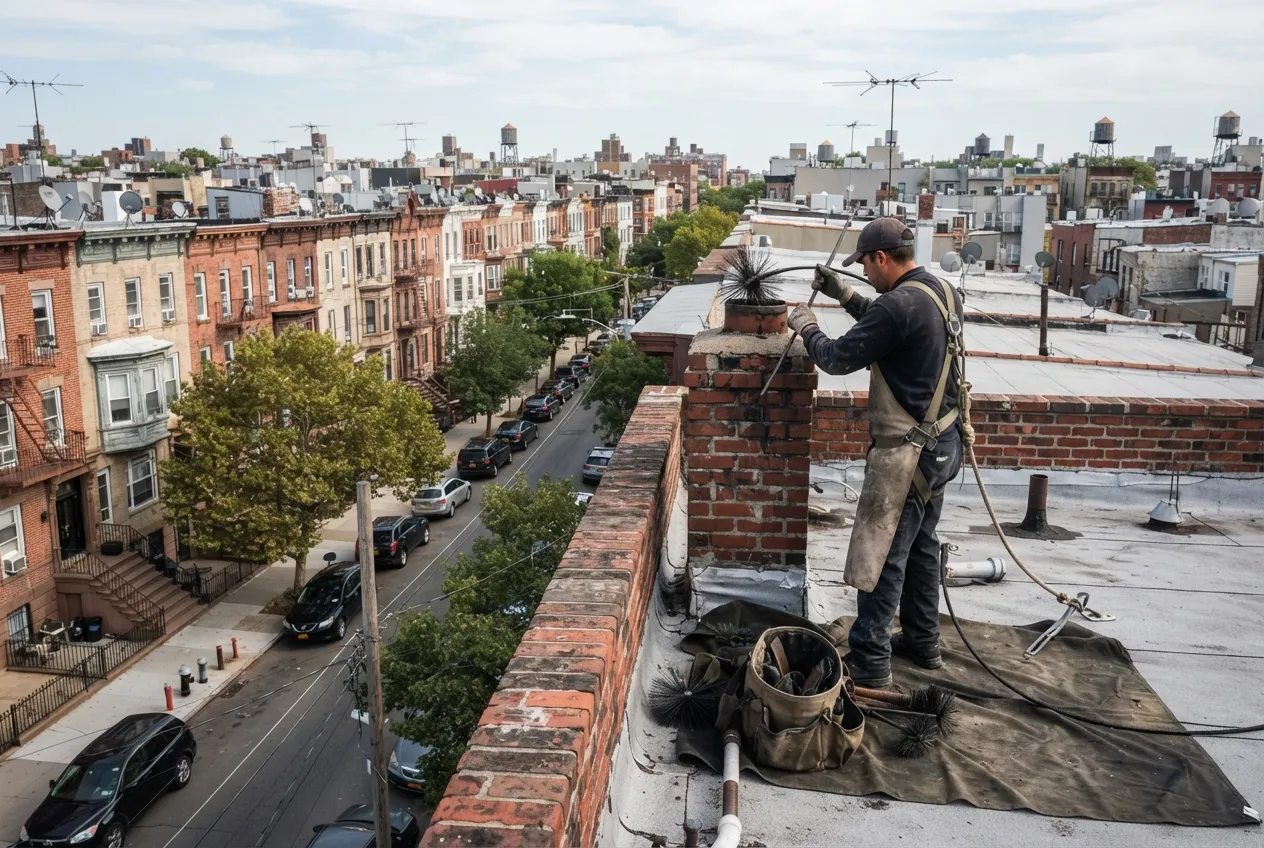
Under the NFPA 211 standard, a chimney should be inspected once a year, and it should be swept… -
Chimney Inspection
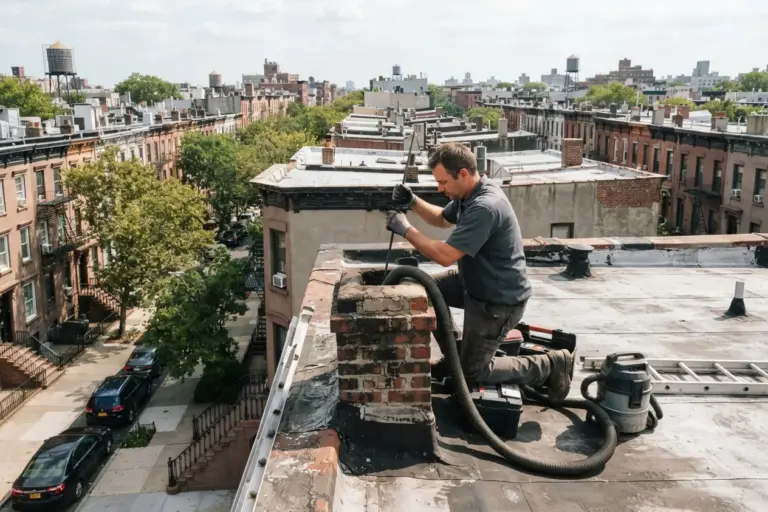
A chimney inspection checks the firebox, damper, flue liner, appliance connections and exterior masonry for damage, blockages and… -
Chimney Repair
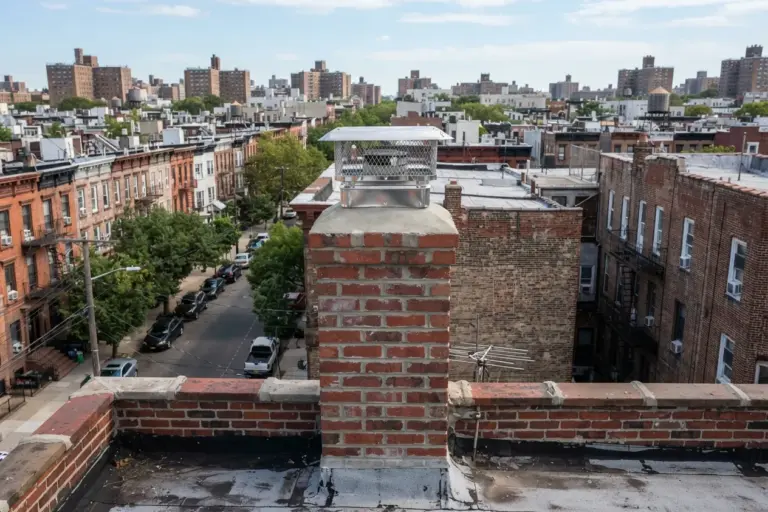
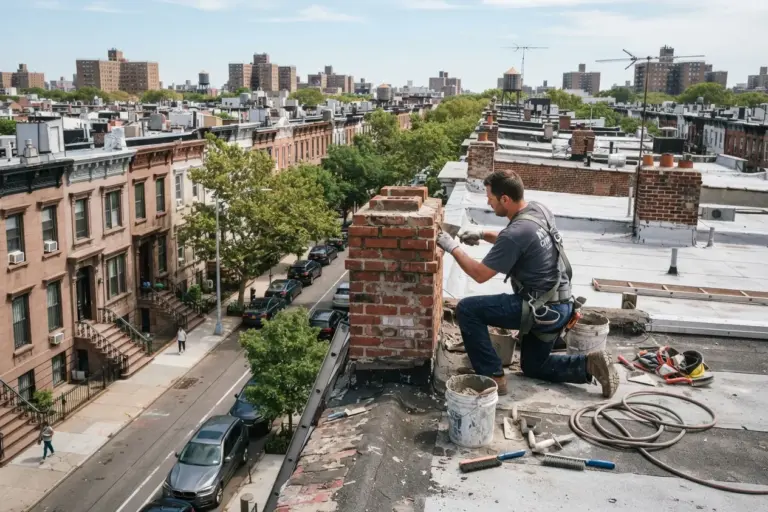
Chimney repair fixes damaged mortar, brick, crowns, flashing, caps, dampers and flue liners before small problems turn into… -
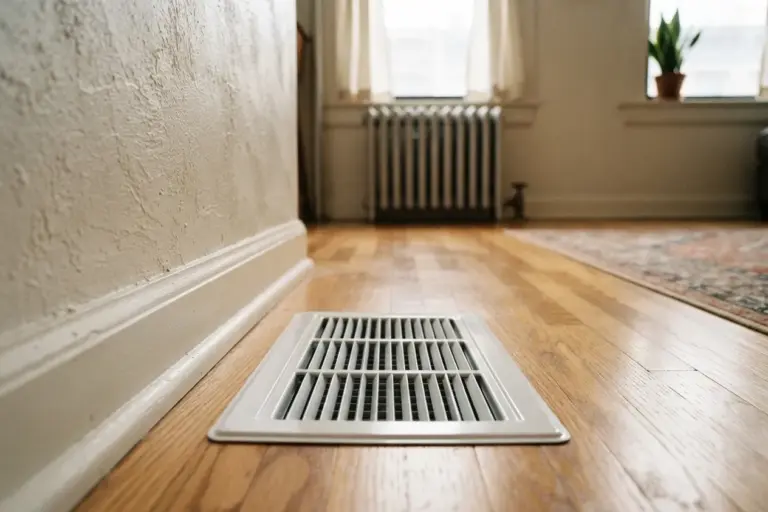
Air Duct Cleaning
Air duct cleaning makes sense when there's a visible problem: dust blowing from vents, heavy debris, renovation residue,… -
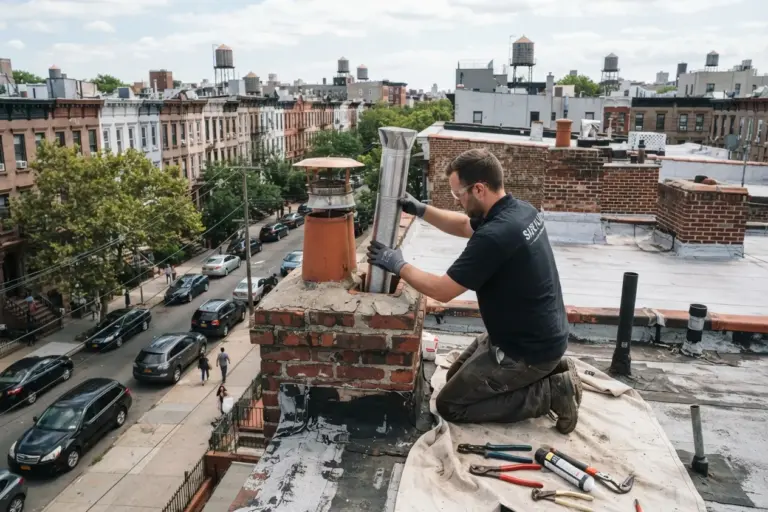
Chimney Liner Installation
You likely need a new chimney liner if your flue is cracked, deteriorated or missing a liner, or… -
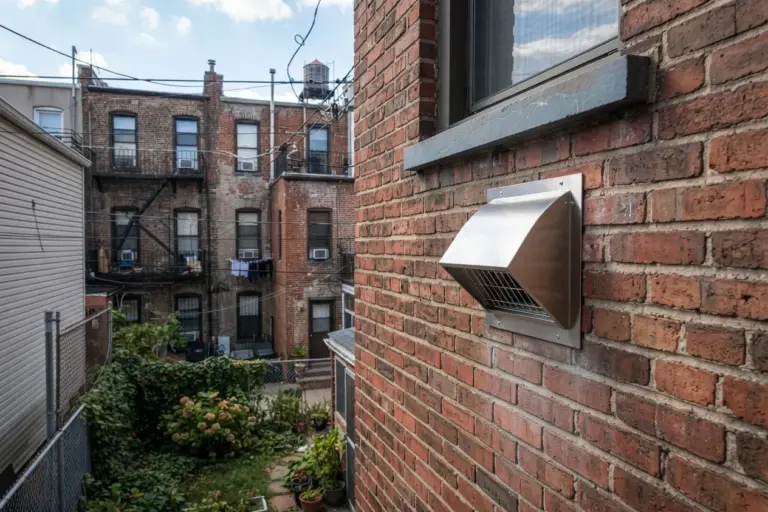
Dryer Vent Cleaning
Dryer vent cleaning removes the lint, nests, and debris that build up inside the duct between your dryer…
Warning signs
Call us if you notice any of these
Most problems give a warning first. Catching them early keeps a small fix from turning into a big one.
- A smoky smell in the room, even when the fireplace isn't lit
- Smoke drifts back into the room instead of going up the flue
- Clothes take two or more dryer cycles to dry
- Water stains on the ceiling or wall next to the chimney
- Crumbling mortar, loose bricks or white staining on the chimney outside
- Visible dust or debris blowing out of your supply vents
Book before the first cold night
Fall is the busiest time for chimney sweeps. Get your sweep and yearly inspection on the calendar before you light the first fire.
How it works
Clear steps. Your approval first.
-
Book a visit
Call or send a short request: the fireplace, stove, boiler flue or vents you need looked at, and what you have noticed.
-
We inspect first
The crew lays down drop cloths, checks the system top to bottom and runs a camera up the flue where it is needed.
-
Written price, your call
You see photos of what we found and get the price in writing. Work starts only after you say yes.
-
Clean, fix, report
We sweep, repair or reline, vacuum up with HEPA filters and leave you a photo report of the finished work.
Straight pricing
No bait prices. No surprises.
-
Written price first
Before any work begins, you get a written price for exactly what we plan to do. Nothing starts until you've agreed to it.
-
Photos of what we found
We photograph the inside of the flue, vent or duct and the problem areas we point out. You'll see the same thing we saw.
-
No surprise add-ons
If we find something new partway through a job, we stop and explain it before doing anything beyond the agreed work. You decide whether to add it.
About us
Chimney and duct work for Brooklyn homes
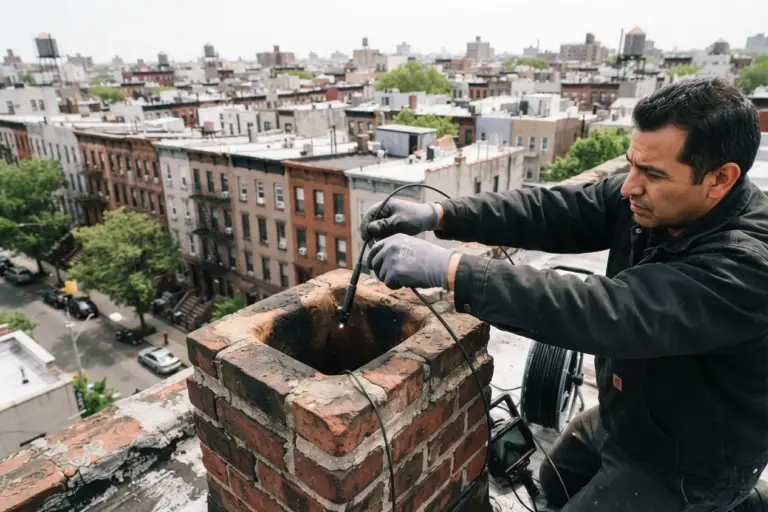
TrueHearth Chimney Service cleans, inspects and repairs chimneys, fireplaces, dryer vents and air ducts across Brooklyn. Our certified technicians start every visit the same way: we look first, explain what we see, and only then talk about what, if anything, needs to be done. Much of Brooklyn's housing shares walls, chimney stacks and rooflines with the building next door, and many heating systems have been converted from oil to gas along the way. That history matters when you're deciding whether a flue is safe to use. We take photos of what we find, write up the work in plain language, and give you a written price before we start. Some visits end with a sweep and nothing more. Others turn up a cracked flue tile, a rusted cap or a damper that no longer closes. Either way, you'll know what we saw and why we're recommending it.
More about how we workWhere we work
Every kind of home in Brooklyn
-
Rowhouses and brownstones
Chimney stacks are often shared with or butted against the neighboring house, so we check for gaps between flues and work carefully on shared rooflines. Many have original fireplaces that were closed up years ago and need a full evaluation before they're used again.
-
Detached and semi-detached homes
These usually have a dedicated chimney and more exposed masonry, so weather damage to the crown, cap and brick is a bigger factor. Dryer vents can also run long distances to an outside wall and need cleaning along the full run.
-
Co-ops and apartment buildings
Boiler flues serve the whole building, so timing matters, especially around the heating season, which in New York City runs from October 1 through May 31. We coordinate access with supers and boards and work around building rules.
Inspections
Three levels of chimney inspection
The NFPA 211 standard calls for a yearly inspection. Which level you need depends on what has changed since the last one.
-
Level 1
Annual check
For a chimney and appliance that have not changed and will be used the same way: the readily accessible parts of the chimney, the flue and the connection, checked for soundness, blockages and deposits.
-
Level 2
Camera inspection
When something changed — a new stove, insert or boiler, a fuel switch such as oil to gas, the sale of the home, or a chimney fire, storm or quake. Adds a video scan of the whole flue and the accessible attic, roof and crawl spaces.
-
Level 3
Concealed areas
Only when a Level 1 or 2 points to a hidden hazard that cannot be checked any other way: parts of the chimney or building are opened to reach it.
Service areas
Where we work
We work throughout Brooklyn, including Prospect Heights, Clinton Hill, Fort Greene, Park Slope, Crown Heights, Bedford-Stuyvesant, Downtown Brooklyn, DUMBO, Boerum Hill, South Williamsburg, Prospect Lefferts Gardens and Wingate. If your neighborhood isn't listed, ask anyway.
FAQ
Common questions
How often should my chimney be inspected?
The NFPA 211 standard calls for chimneys, fireplaces and vents to be inspected once a year. That applies whether you burn wood every weekend or only run a gas boiler through the flue.
What's the difference between a Level 1, 2 and 3 inspection?
A Level 1 inspection is the standard yearly check when nothing about the system has changed. A Level 2 is called for when something changes, like a new appliance or a switch of fuel, or when the home is sold. A Level 3 is needed when a hidden hazard can only be reached by opening part of the chimney or building.
We're converting our boiler from oil to gas. Does the chimney need work?
In New York City, the chimney has to be evaluated as part of an oil-to-gas conversion. A new liner is often needed, because gas exhaust produces acidic condensate that can corrode a masonry flue over time. We can inspect the flue and tell you whether a liner is required.
Why does dryer vent cleaning matter?
According to the U.S. Fire Administration, failure to clean is the leading factor contributing to clothes dryer fires in homes. Lint builds up in the duct and at the outside hood, restricts airflow and holds heat. Long drying times are a common early sign.
Do I need my air ducts cleaned?
Not always. The U.S. EPA advises cleaning air ducts when there is substantial visible mold growth, vermin, or excessive dust and debris. It also notes that duct cleaning hasn't been shown to prevent health problems. We'll look at your ducts and tell you honestly whether cleaning makes sense.
Do you use chemical treatments in ducts?
The EPA recommends caution with chemical treatments in duct systems, and we agree. We focus on mechanical cleaning and only discuss other options if there's a specific, visible reason, and we'll explain them before using anything.
Can you work on a chimney shared with my neighbor?
Yes. Shared stacks are common in Brooklyn rowhouses. We work on your flue and the parts of the structure you're responsible for, and we'll point out any issues we see that may involve the neighboring building.
Will the sweep make a mess in my house?
We cover the floor and nearby furniture, seal off the fireplace opening, and use equipment that contains soot while we work. We clean up the work area before we leave.
Not sure what your chimney or vents need?
Tell us what you're noticing and what kind of building you're in. We'll schedule a visit, inspect the system, show you photos of what we find and give you a written price before any work begins.