The short answer
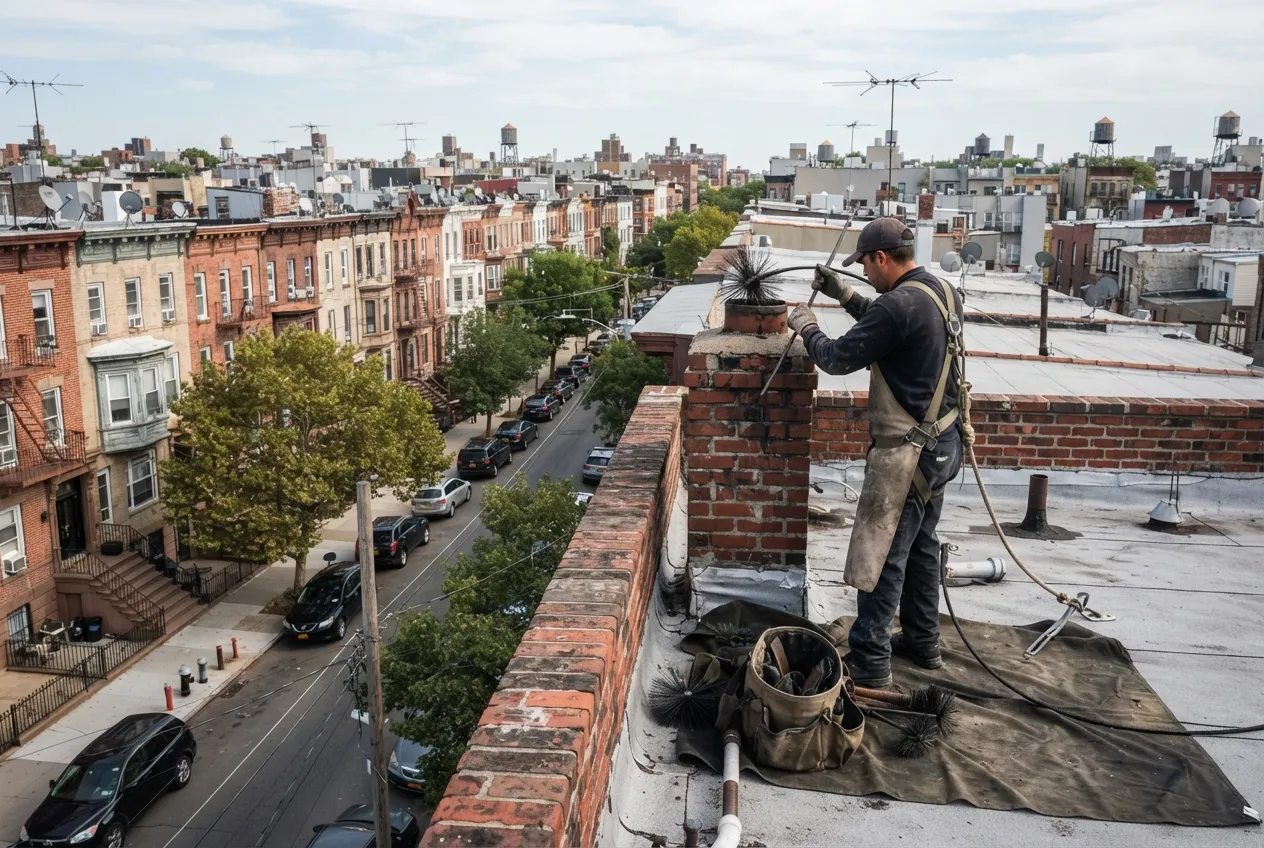
Under the NFPA 211 standard, chimneys, fireplaces and vents should be inspected once a year, and the inspection level depends on whether anything has changed. Prospect Heights homeowners usually need a Level 1 inspection each year, and a Level 2 inspection after a fuel conversion, a new appliance or a home sale.
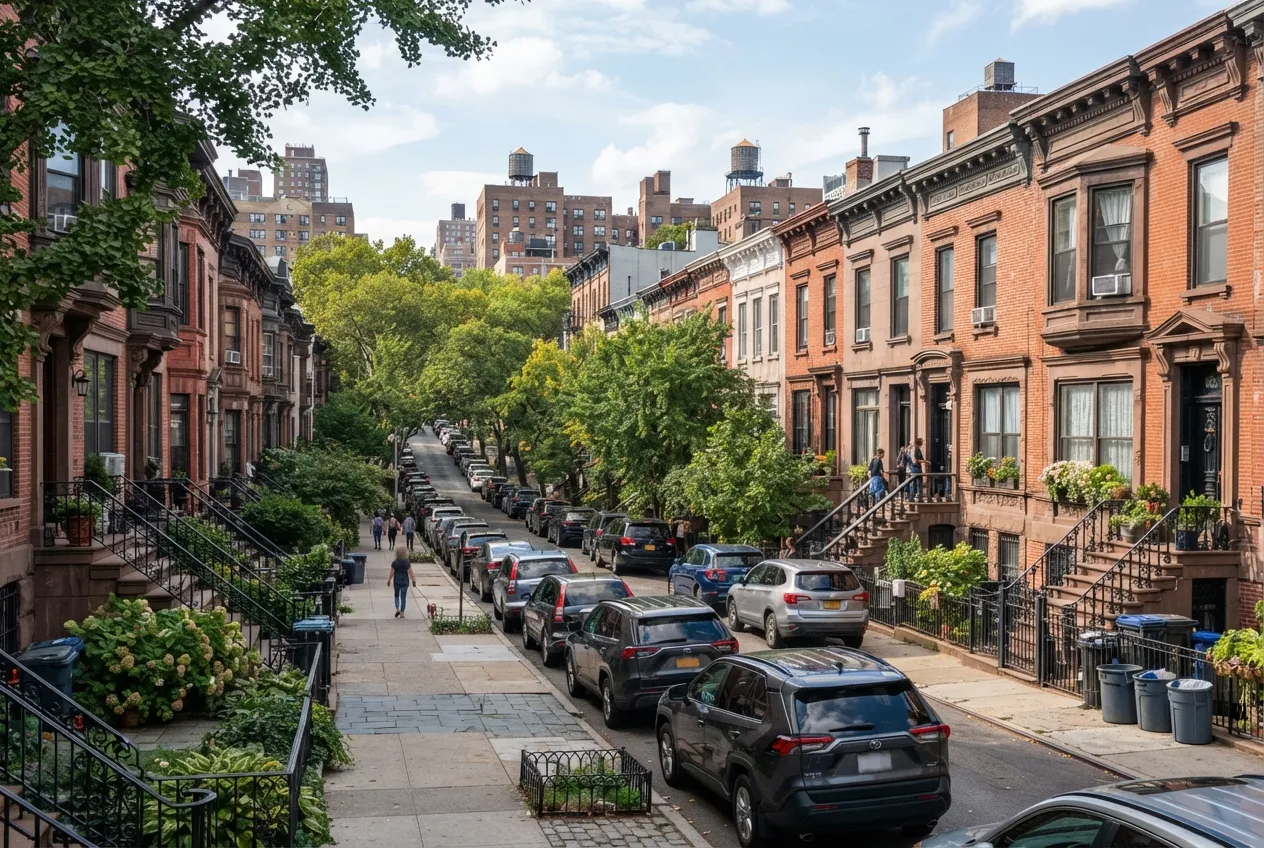
TrueHearth Chimney Service is based at 20 Underhill Ave in Prospect Heights, so chimney inspections here are local work for us. Much of the neighborhood's housing is brownstones, rowhouses and pre-war apartment buildings, and many of their chimneys have been through decades of use, renovation and changes in heating fuel. A chimney inspection tells you whether your flue, liner, firebox and masonry are in safe working condition. It also tells you what needs attention before you light a fire or before the heating system runs hard through the winter.
Why Prospect Heights Chimneys Need a Close Look
Older Brooklyn homes often have more than one flue in a single chimney stack. One flue may serve the boiler or water heater, and others may lead to fireplaces that were closed off, reopened or converted over the years. In a brownstone or rowhouse, the chimney is often shared with or built against a neighboring wall. That makes cracks, gaps and deteriorating mortar more than a cosmetic concern.
Pre-war apartment buildings bring their own issues. A single heating flue may serve a central boiler that runs for months at a time. Small problems such as a loose liner section, debris at the base or a damaged cap can affect how well exhaust leaves the building.
The Three Inspection Levels, Explained
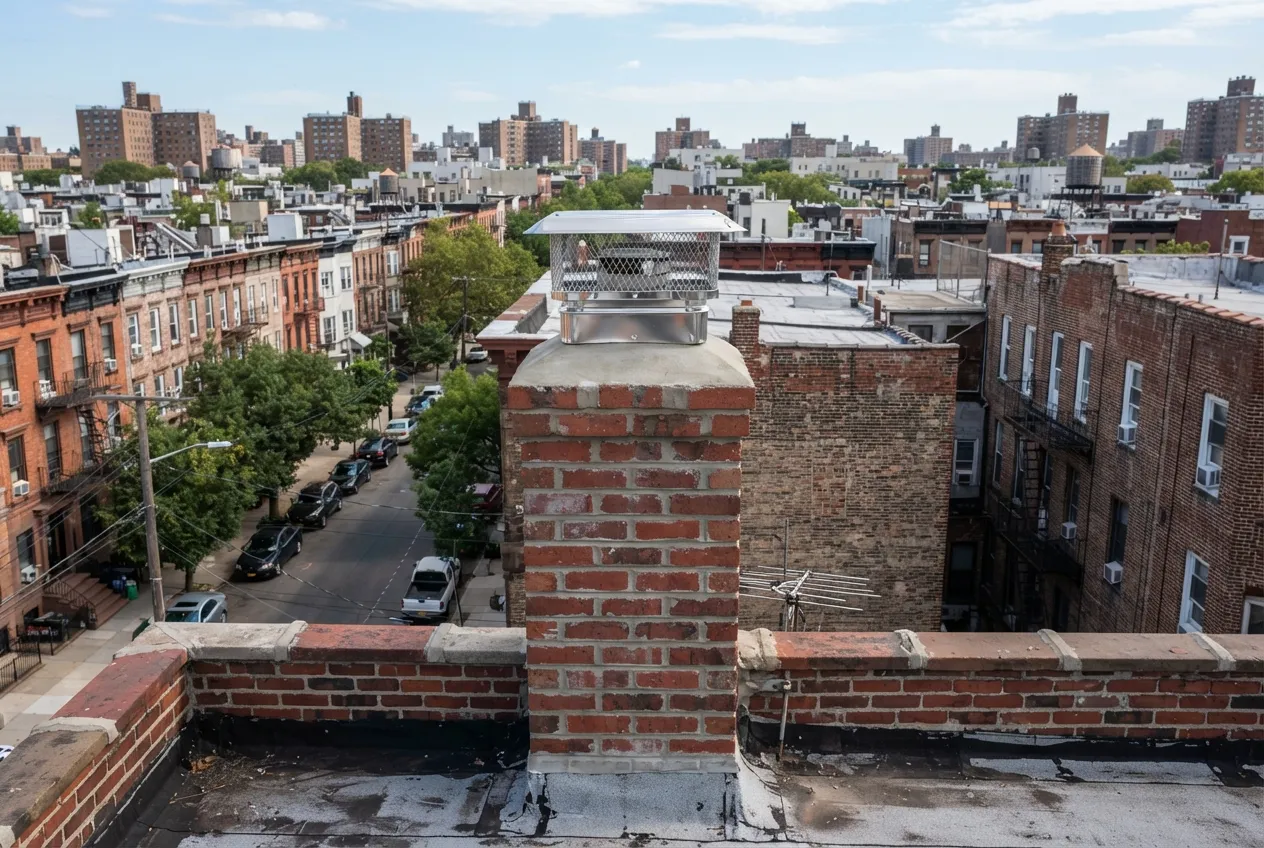
Chimney professionals use three levels of inspection. Our certified technicians will tell you which level fits your situation before any work begins.
- Level 1: For a chimney that is in regular use with no changes. We check the readily accessible parts of the chimney, the firebox and the connections, and confirm the flue is free of blockage and combustible deposits.
- Level 2: Needed when something changes, such as a new heating appliance, a switch of fuel, or the sale of the home. This level is more thorough and usually includes a camera inspection of the flue's interior.
- Level 3: Used only when a hidden hazard has to be reached by opening part of the chimney or the building. This is not routine. We recommend it only when a Level 2 finding points to a problem that cannot be evaluated any other way.
Oil-to-Gas Conversions and Your Liner
Many Brooklyn homes and buildings have switched boilers from oil to gas. When a New York City building makes that conversion, the chimney has to be evaluated as part of the work. A new liner is often needed because gas exhaust produces acidic condensate, and that condensate can corrode a masonry flue from the inside.
If your building converted in the past and you are not sure the chimney was evaluated, or if a conversion is being planned now, a Level 2 inspection gives you a clear picture. We look at the condition of the flue walls and check whether a liner is present and properly sized. We also look for signs of condensate damage, such as flaking tile, staining or debris collecting at the base.
Time for your annual chimney check?
Timing Around Heat Season
New York City's heat season runs from October 1 through May 31. During those months, building owners must keep apartments heated to the city's minimum temperatures. If you own a rowhouse with rental units or a small apartment building, an inspection before October gives you time to make repairs without taking the heating system offline in cold weather.
Fireplace owners benefit from early scheduling too. It is easier to fix a cracked crown, replace a missing cap or clear an animal nest in early fall than in the middle of winter.
What You Get After the Inspection
After the inspection, we explain what we found in plain language. We point out anything that needs repair now and anything worth watching over time. For Level 2 inspections, we can show you the camera footage so you can see the inside of your flue for yourself.
We serve Prospect Heights and nearby neighborhoods, including Park Slope, Clinton Hill, Fort Greene, Crown Heights and Downtown Brooklyn. Whether you have a single fireplace or a building boiler flue, we can help you understand your chimney's condition.
More services in Prospect Heights
- Chimney Sweep in Prospect Heights
- Chimney Repair in Prospect Heights
- Air Duct Cleaning in Prospect Heights
- Chimney Liner Installation in Prospect Heights