The short answer
Many older Fort Greene chimneys have cracked clay tile liners or no liner at all, and a new liner is often needed when a building switches its boiler from oil to gas. TrueHearth installs liners sized to the specific appliance or fireplace, after an inspection that shows what the flue needs.
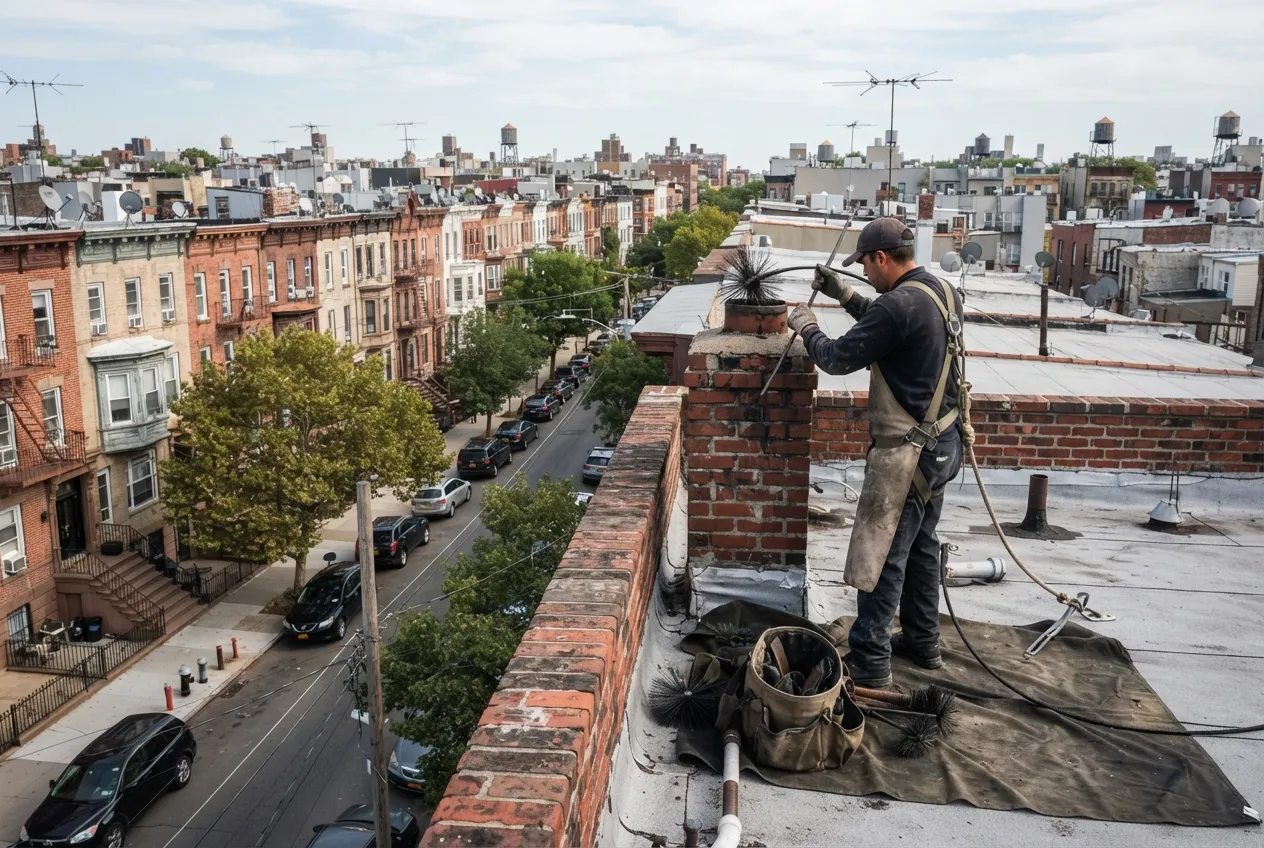
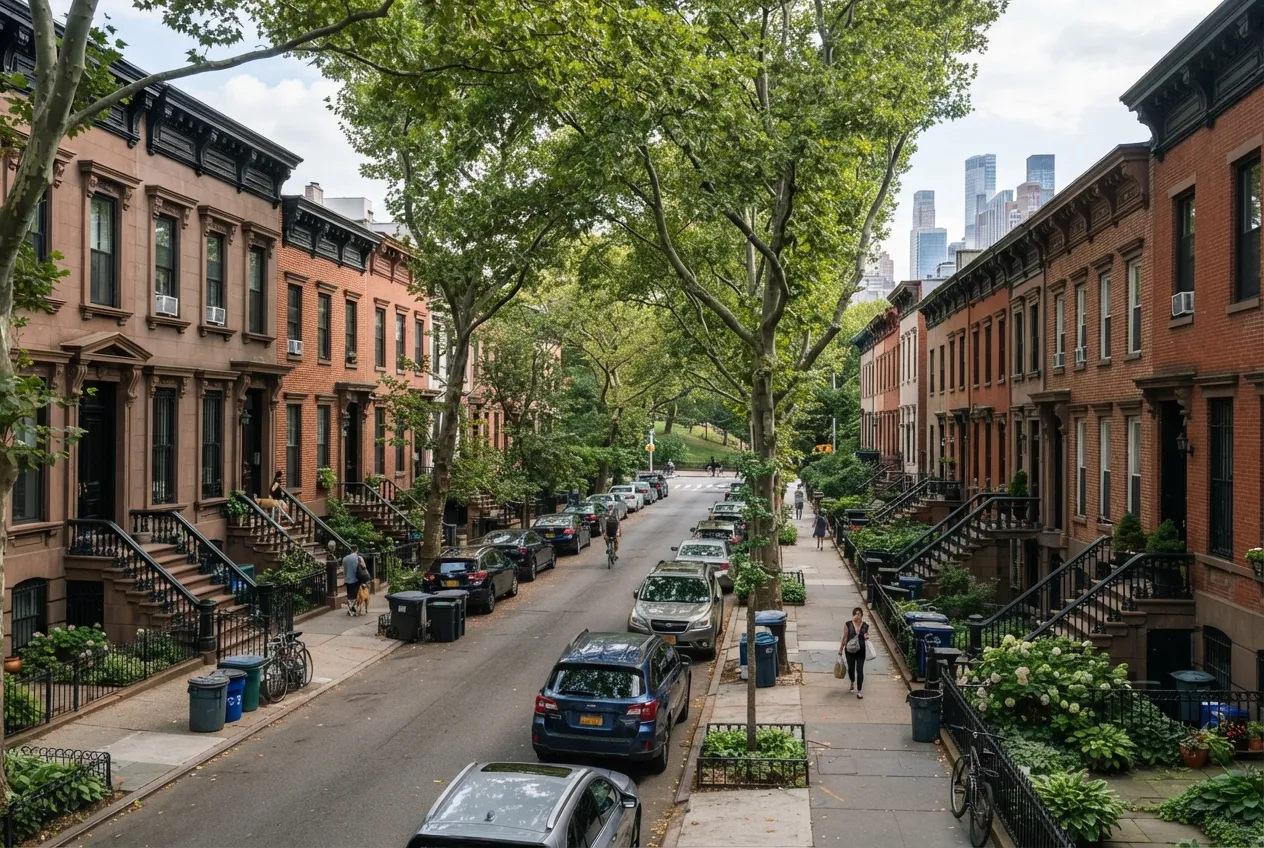
Most of Fort Greene's brownstones, rowhouses and pre-war apartment buildings have masonry chimneys built long before today's boilers, furnaces and water heaters were connected to them. A flue liner keeps hot exhaust, condensation and combustion gases inside the chimney instead of letting them work into old brick and mortar. TrueHearth Chimney Service installs chimney liners for homes and buildings in Fort Greene (ZIP 11205), about a mile northwest of our Prospect Heights office. Before we recommend anything, our certified technicians look at what the chimney actually serves and explain what we find in plain terms.
Why Older Fort Greene Chimneys Often Need a Liner
Chimneys in the neighborhood's older brownstones and rowhouses were typically built with clay tile liners, and some were built with none. Over many decades, tiles crack, joints open up, and mortar wears away from heat, moisture and freeze-thaw cycles. Once that happens, exhaust and moisture can reach the brick and nearby framing, and draft can become weak or uneven.
Because many homes here share walls, it is worth paying attention to chimney condition. A damaged flue can let gases or moisture travel where they shouldn't, and repairs are easier to plan before a problem shows up inside the house.
- Cracked, shifted or missing flue tiles found during an inspection
- Crumbling mortar or flakes of tile collecting at the base of the chimney
- Water stains, damp spots or peeling paint on walls near the chimney
- Smoke or odors entering rooms, or appliances that won't draft properly
- A new boiler, furnace, water heater or fuel type connected to an old flue
Converting a Boiler from Oil to Gas
When a New York City building converts its boiler from oil to gas, the chimney has to be evaluated as part of the work. A new liner is often needed, because gas exhaust produces acidic condensate that can corrode a masonry flue that handled oil for years without trouble.
For Fort Greene brownstones and small apartment buildings planning a conversion, we inspect the chimney, confirm the flue size the new equipment needs, and install a liner that fits it. We can coordinate with your plumber or heating contractor so the chimney work lines up with the boiler installation.
Choosing the Right Liner for Your Chimney
There is no single liner that fits every chimney. The right choice depends on what is venting into the flue, how big that appliance is, and the shape and condition of the chimney itself. An oversized or undersized liner can cause poor draft and more condensation, so sizing matters as much as material.
- Stainless steel liners for gas and oil boilers, furnaces and water heaters
- Liners sized for wood-burning fireplaces and stoves
- Rigid or flexible liners, depending on bends and offsets in the flue
- Insulation where it helps the flue stay warm and draft well
- Separate flues or properly sized liners when more than one appliance is connected
Time for your annual chimney check?
What Liner Installation Involves
The NFPA 211 standard calls for chimneys, fireplaces and vents to be inspected once a year, and it describes a more detailed Level 2 inspection when the system changes, such as a new appliance or a switch of fuel, or when a home is sold. A liner job usually starts with that kind of inspection, including a camera look inside the flue.
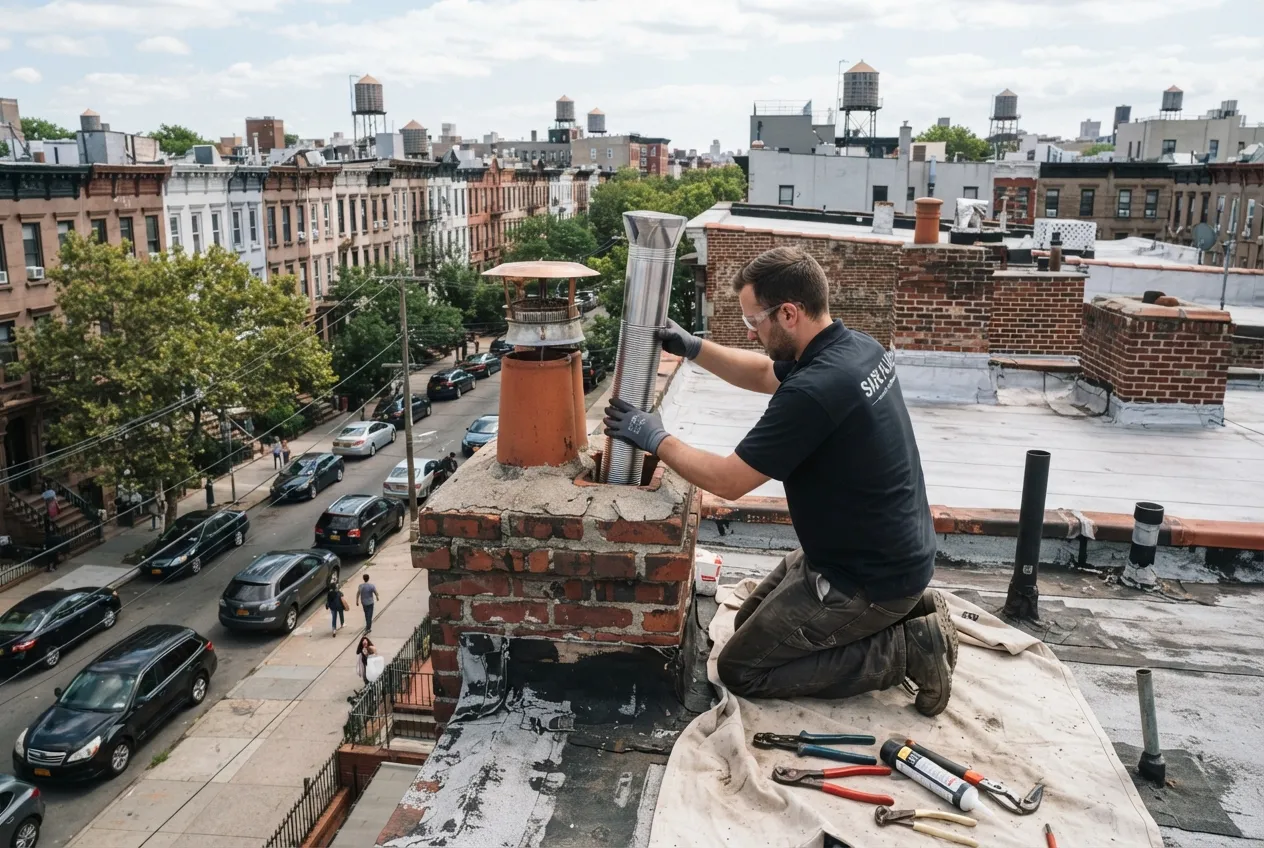
After the inspection, we clean the flue, measure it, and install the liner from the roof down. We connect it to the appliance or fireplace, add a cap at the top to keep out rain and animals, and check that the system drafts correctly. We walk you through what was done and what to watch for afterward.
Timing matters in Fort Greene's multi-unit buildings. New York City's heat season runs from October 1 through May 31, when owners must keep apartments heated to the city's minimum temperatures, so we plan boiler-related liner work to keep heat interruptions short. Scheduling conversions before fall gives you the most flexibility.
Serving Fort Greene and Nearby Neighborhoods
Our Prospect Heights office is close to Fort Greene, which makes it practical for us to handle inspections, follow-up visits and coordination with other trades. We also install chimney liners in Clinton Hill, Downtown Brooklyn, DUMBO, Boerum Hill and Prospect Heights, where many homes and buildings have similar older masonry chimneys.
More services in Fort Greene
- Chimney Sweep in Fort Greene
- Chimney Inspection in Fort Greene
- Chimney Repair in Fort Greene
- Air Duct Cleaning in Fort Greene