The short answer
Crown Heights homes often need a new chimney liner after an oil-to-gas boiler conversion, after a new heating appliance or insert is added, or when old clay flue tiles have cracked. TrueHearth's certified technicians inspect the flue, size a liner to the appliance, and install it so exhaust leaves the house safely.
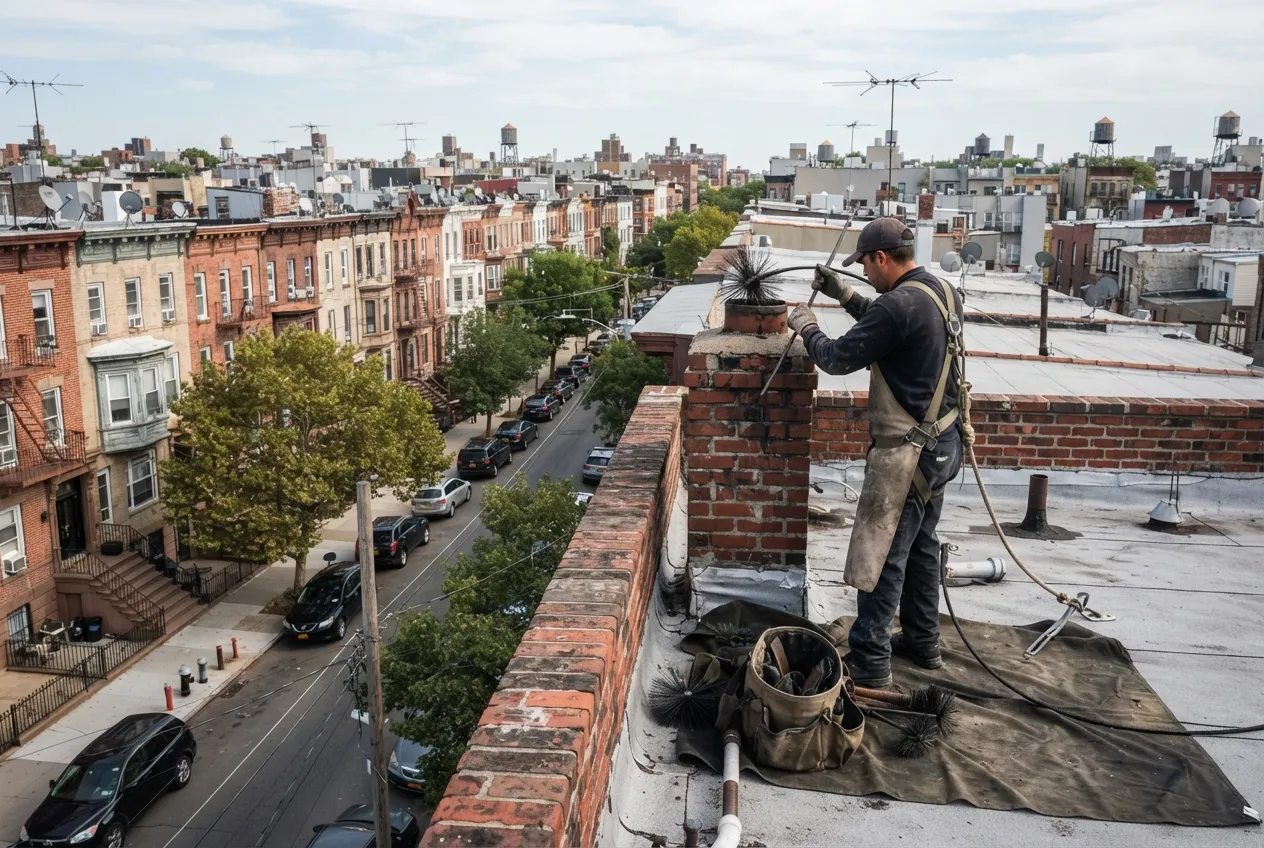
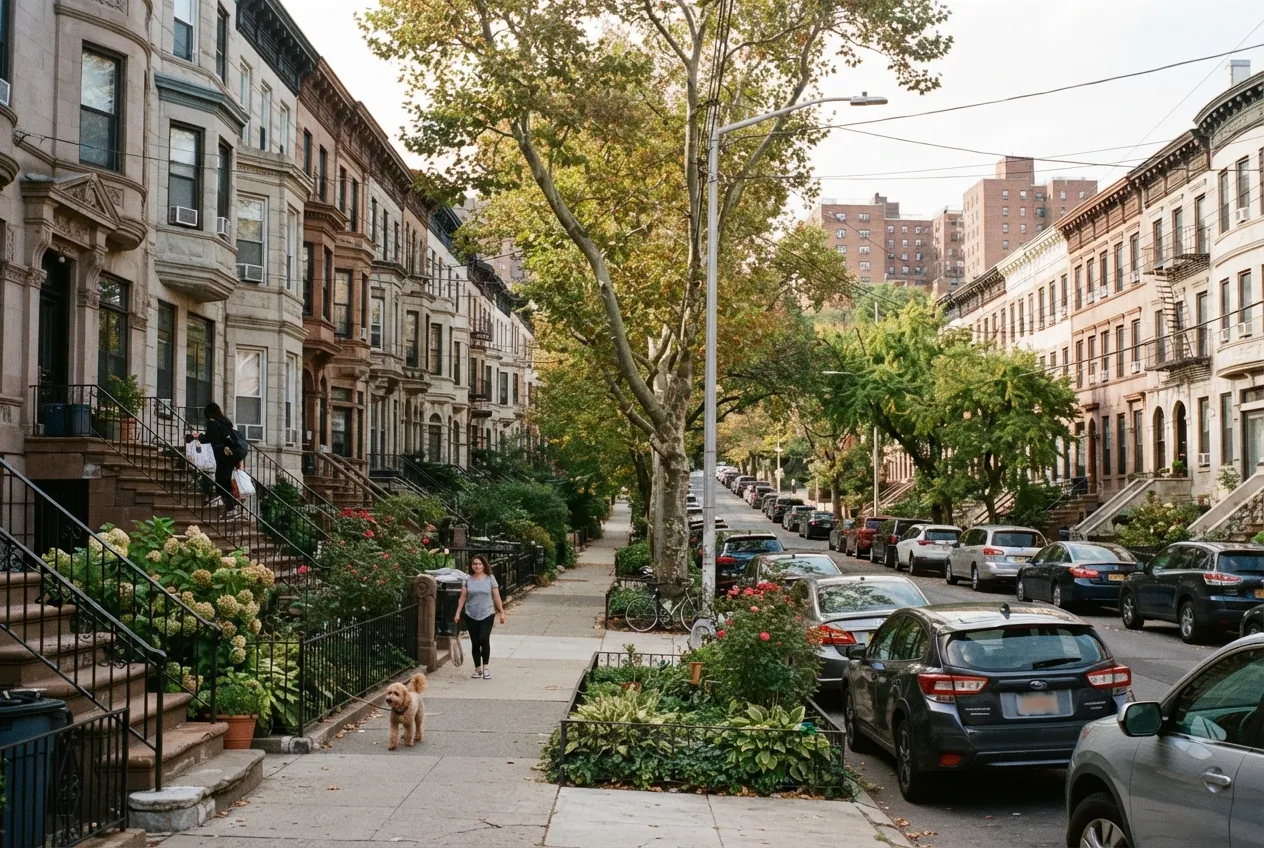
Many chimneys in Crown Heights were built long before today's heating equipment. The flues inside them were never designed for a modern gas boiler, a high-efficiency water heater or a wood stove insert. A liner is the protective channel that carries exhaust up and out of the house without letting heat, moisture or gases reach the surrounding brick and framing. TrueHearth Chimney Service installs chimney liners in brownstones, rowhouses, pre-war apartment buildings and detached homes across Crown Heights (11213), about a mile southeast of our office in Prospect Heights. Our certified technicians inspect the flue first, size the liner to the appliance it serves, and explain what they found before any work begins.
Why Crown Heights Chimneys Often Need a New Liner
Older masonry chimneys in the neighborhood usually have clay tile flues, and some have no liner at all. Over the decades, tiles crack, mortar joints wear away, and settling or water damage can open gaps. Those gaps let heat and exhaust reach brick and wood that were never meant to be exposed to them.
The most common trigger we see is a change in heating. When a New York City building converts its boiler from oil to gas, the chimney has to be evaluated as part of that work, and a new liner is often needed. Gas exhaust produces acidic condensate that can corrode a masonry flue, so a chimney that handled oil for years may not hold up to gas without protection.
- Converting a boiler or furnace from oil to gas
- Replacing a boiler or water heater with a new or different-sized unit
- Adding a wood stove or fireplace insert
- Cracked, shifted or missing flue tiles found during an inspection
- Crumbling mortar, water stains or a white powdery residue on chimney brick inside the house
Inspection Comes First
The NFPA 211 standard calls for chimneys, fireplaces and vents to be inspected once a year, and it describes three inspection levels. A Level 2 inspection applies when the system changes, such as a new appliance or a switch of fuel, or when a home is sold. That is usually where a liner project in Crown Heights starts.
During a Level 2 inspection, we examine the flue from the top and the bottom, typically with a camera run through its full length, and check how the chimney connects to the appliance. If a hidden problem can only be reached by opening part of the chimney or a wall, that becomes a Level 3 inspection. We will discuss it with you before anything is opened.
Matching the Liner to the Appliance
A liner is not one-size-fits-all. The right size and material depend on what vents into the chimney: a gas boiler, an oil burner, a water heater sharing the flue or a wood-burning insert. An oversized flue can let exhaust cool and condense before it leaves the chimney. An undersized one can restrict draft.
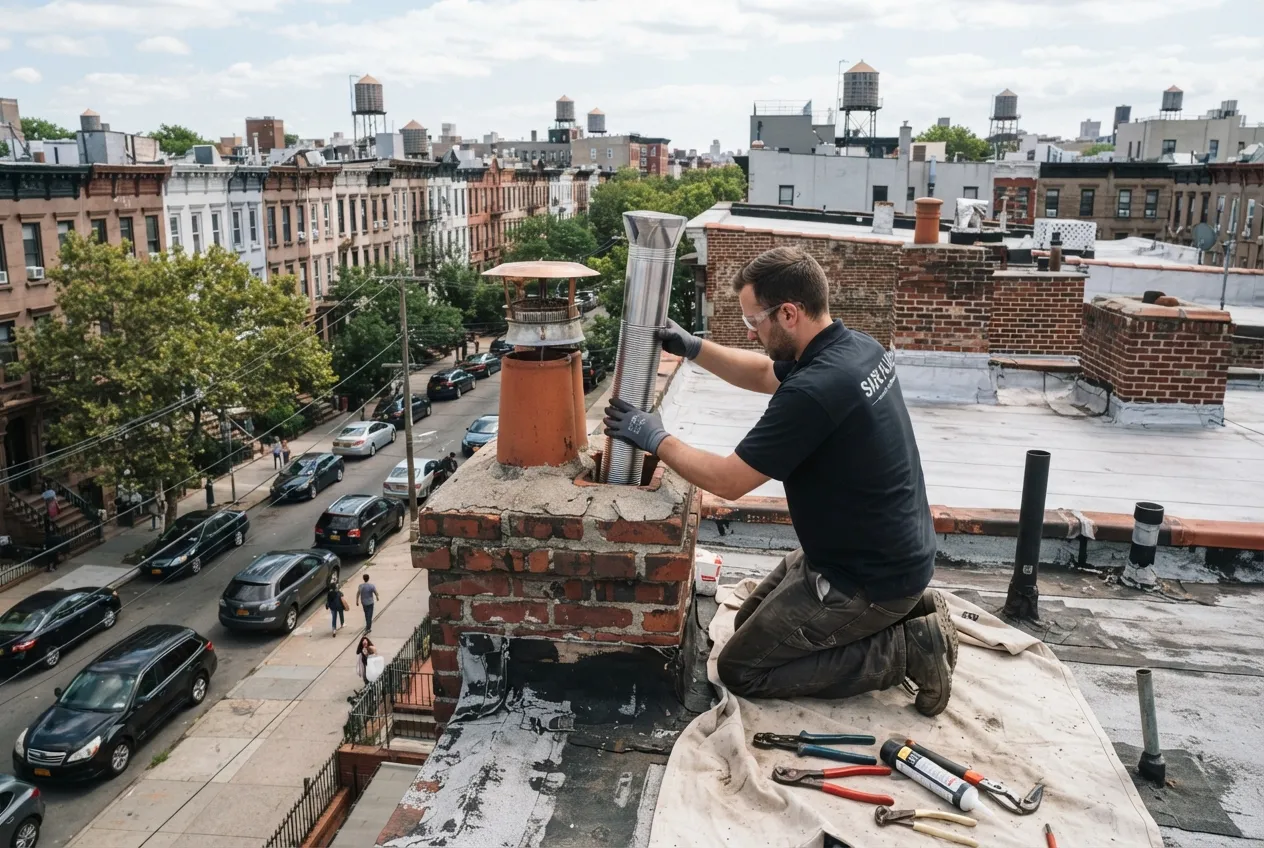
For most heating conversions and inserts, we install a stainless steel liner down the existing flue, connect it to the appliance at the bottom and finish it with a cap at the top. We check the appliance manufacturer's venting requirements. When a boiler is being replaced at the same time, we coordinate with your heating contractor or plumber.
Time for your annual chimney check?
Working in Brownstones, Rowhouses and Pre-War Buildings
Attached homes come with practical challenges. Roof access on a rowhouse may be through a hatch or across a shared roofline. Chimneys can serve more than one unit, and old flues often have bends that rule out a straight run. We plan the route before we arrive, protect floors and furnishings in the work area, and leave the appliance room clean after we connect the liner.
In pre-war apartment buildings, a liner project usually involves the building's central boiler. We work with owners, supers and managing agents to schedule roof and boiler room access and to keep residents informed about when heat or hot water may be off.
Planning Around Heat Season
New York City's heat season runs from October 1 through May 31. During that period, building owners must keep apartments heated to the city's minimum temperatures. For multifamily buildings, late spring and summer are usually the easiest times for a boiler conversion and relining because the heat can be shut off without running into those requirements. If a liner problem turns up in midwinter, we will go over the options for getting the system back in service safely.
Beyond Crown Heights, we install chimney liners in nearby Prospect Lefferts Gardens, Wingate, Bedford-Stuyvesant, Prospect Heights and Clinton Hill.
More services in Crown Heights
- Chimney Sweep in Crown Heights
- Chimney Inspection in Crown Heights
- Chimney Repair in Crown Heights
- Air Duct Cleaning in Crown Heights