The short answer
Clinton Hill chimneys should be inspected once a year, as the NFPA 211 standard calls for. If a boiler vents through yours, schedule it before New York City's heat season starts on October 1. Most homes need a Level 1 inspection, while a fuel switch, a new appliance or a home sale calls for Level 2.
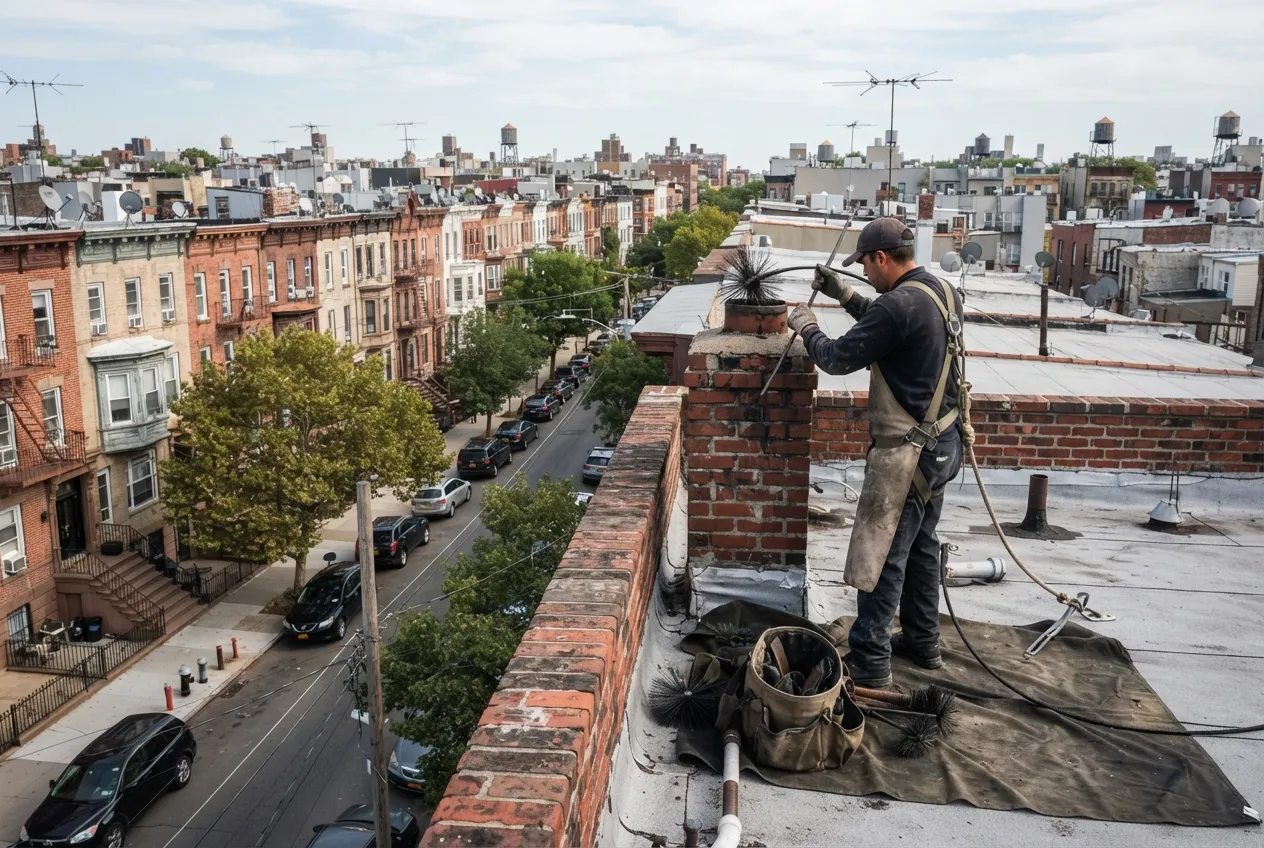
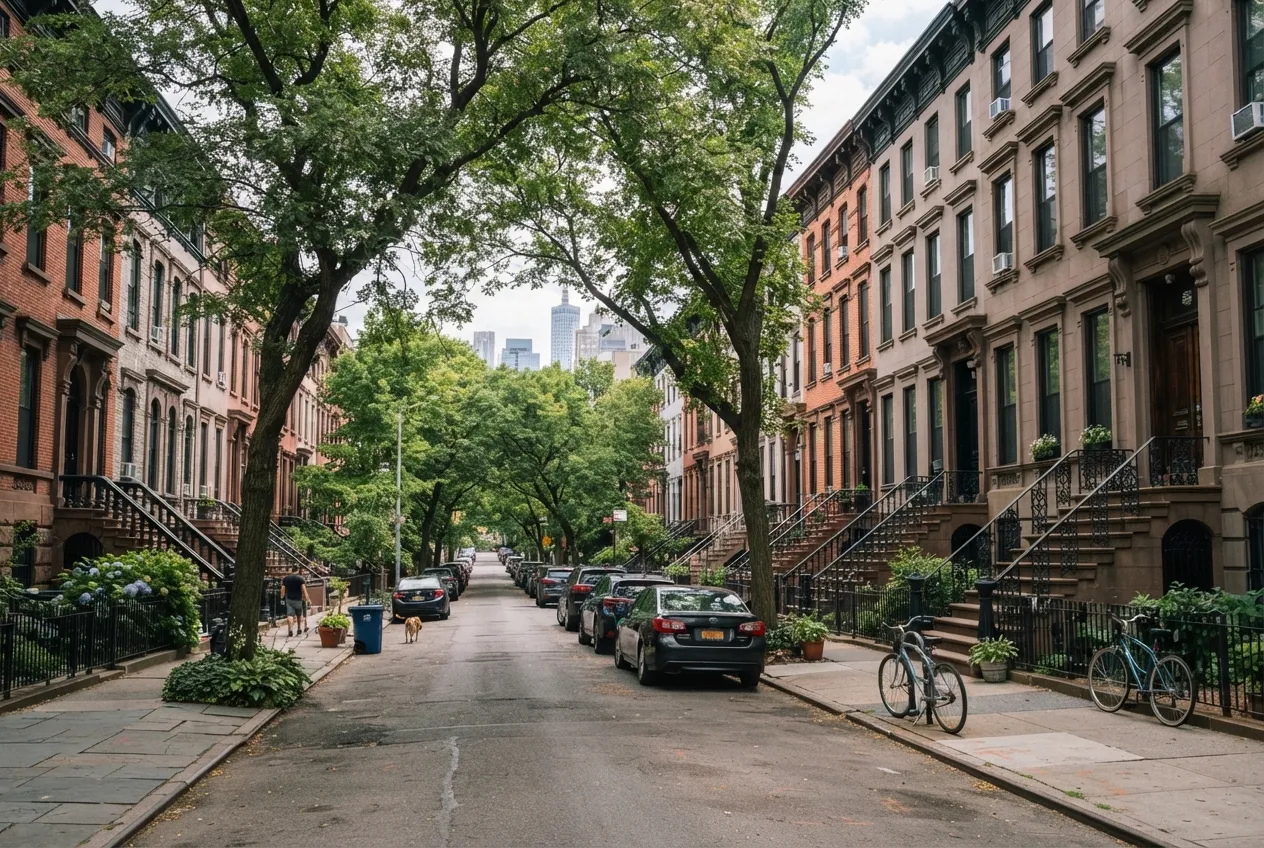
Clinton Hill homes range from brownstones and rowhouses to pre-war apartment buildings, and many of them still rely on chimneys that are generations old. Some flues vent a working fireplace, others carry exhaust from a boiler or water heater, and some sit unused behind a sealed-up mantel. TrueHearth Chimney Service inspects chimneys across Clinton Hill from our office in Prospect Heights, about a mile south. Our certified technicians check the flue, liner, firebox, damper, smoke chamber, crown and cap. Then they explain what they found in plain terms: what's fine, what needs watching, and what should be fixed before you light a fire or turn on the heat.
Why Yearly Inspections Matter in Clinton Hill
The NFPA 211 standard calls for chimneys, fireplaces and vents to be inspected once a year. That matters in Clinton Hill, where many chimneys were built long before modern liners and caps were common. Decades of freeze-thaw cycles, settling and water exposure can open gaps that are invisible from the room below.
Timing matters too. New York City's heat season runs from October 1 through May 31, and building owners must keep apartments heated to the city's minimum temperatures for that whole period. If your boiler vents through a chimney, an inspection before October gives you time to handle repairs before tenants need heat. For a wood-burning fireplace, late summer or early fall is a practical window, ahead of the first cold weekend.
Choosing the Right Inspection Level
Chimney professionals use three inspection levels. The right one depends on what has changed in your home, not on how old the chimney is.
If you're not sure which level fits, tell us what has changed since the last inspection. We'll recommend a level before we schedule the visit.
- Level 1: For chimneys in regular use with no changes to the system. We examine the readily accessible parts of the chimney, the fireplace or appliance connection, and the exterior.
- Level 2: For when the system changes, such as a new boiler, a new stove insert or a switch from one fuel to another, or when the home is being sold. This level applies if you are buying or selling a brownstone or rowhouse in the neighborhood. It usually includes a video scan of the flue interior.
- Level 3: For when a hidden hazard has to be reached by opening part of the chimney or the building, such as a section of wall or chase. We recommend this only when earlier findings point to a specific concern.
Boiler Chimneys and Oil-to-Gas Conversions
Many pre-war apartment buildings and multi-family rowhouses in Clinton Hill send boiler exhaust up a masonry chimney. When a New York City building converts its boiler from oil to gas, the chimney has to be evaluated as part of the work. A new liner is often needed, because gas exhaust produces acidic condensate that can corrode a masonry flue.
If your building has already converted, or a conversion is being planned, we inspect the flue for signs of condensate damage. These include crumbling mortar joints, flaking tile, staining on interior walls near the chimney, and debris collecting at the base of the flue. We'll tell you whether the existing liner suits the appliance it serves.
Time for your annual chimney check?
What We Check on Older Masonry Chimneys
Brownstones and rowhouses often share party walls, and their chimneys rise among neighboring rooflines, so problems on one stack can be easy to miss from the street. During an inspection, we look at:
- Flue liner condition, including cracked or missing clay tiles and gaps at the joints
- Creosote and soot buildup in wood-burning flues
- The firebox, damper and smoke chamber, checking for cracks, rust and gaps
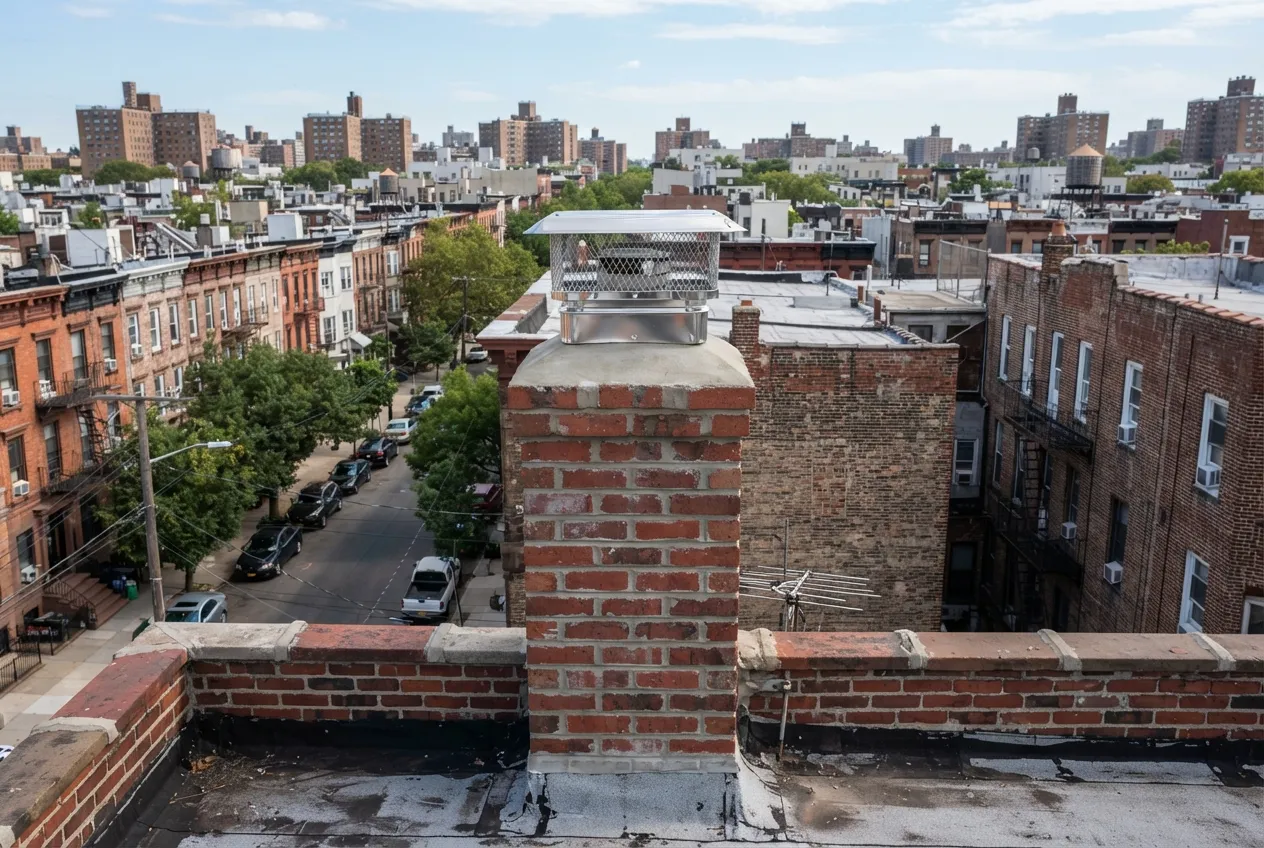
- The crown, cap and flashing, where water most often gets in
- Exterior brick and mortar, checking for spalling and open joints
- Blockages from nests, fallen debris or collapsed tile
- Connections between a boiler, furnace or water heater and the chimney
After the Inspection
You get a clear written summary of what we found, sorted by urgency, with photos or video where we have them. Some findings are routine, like a sweep before the season. Others, such as a damaged liner or a missing cap, should be addressed before the chimney is used again. We'll explain the difference and walk you through your options, so you can decide what to do and when.
Along with Clinton Hill, we inspect chimneys in Fort Greene, Prospect Heights, South Williamsburg, Downtown Brooklyn and DUMBO.
More services in Clinton Hill
- Chimney Sweep in Clinton Hill
- Chimney Repair in Clinton Hill
- Air Duct Cleaning in Clinton Hill
- Chimney Liner Installation in Clinton Hill