The short answer
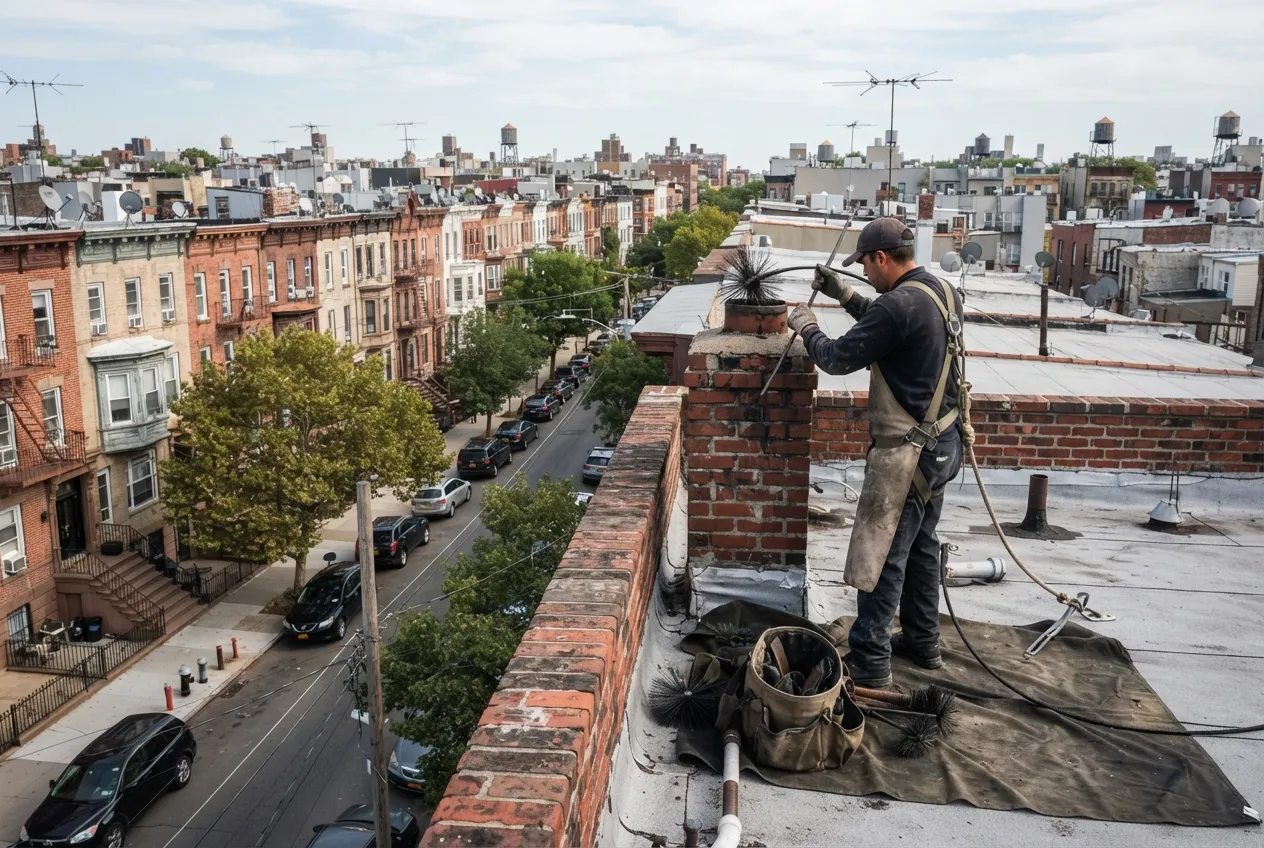
A chimney sweep removes creosote, soot, and debris from your flue so smoke and exhaust can leave the home safely. In South Williamsburg, sweeps cover both fireplace chimneys in rowhouses and the boiler flues that heat pre-war apartment buildings, and they pair well with the yearly inspection that the NFPA 211 standard calls for.
A chimney that hasn't been swept in a while can hold creosote, soot, fallen masonry, and debris that blocks the flue. TrueHearth Chimney Service sweeps chimneys for homeowners and building owners in South Williamsburg (ZIP 11249), about 2 miles north of our office in Prospect Heights. Our certified technicians clean wood-burning fireplace flues and the chimneys that vent boilers and furnaces, check what they find along the way, and tell you plainly what condition the system is in. Here's what to expect and how a sweep fits the kinds of buildings found in this part of Brooklyn.
Why Sweeping Matters for South Williamsburg Homes
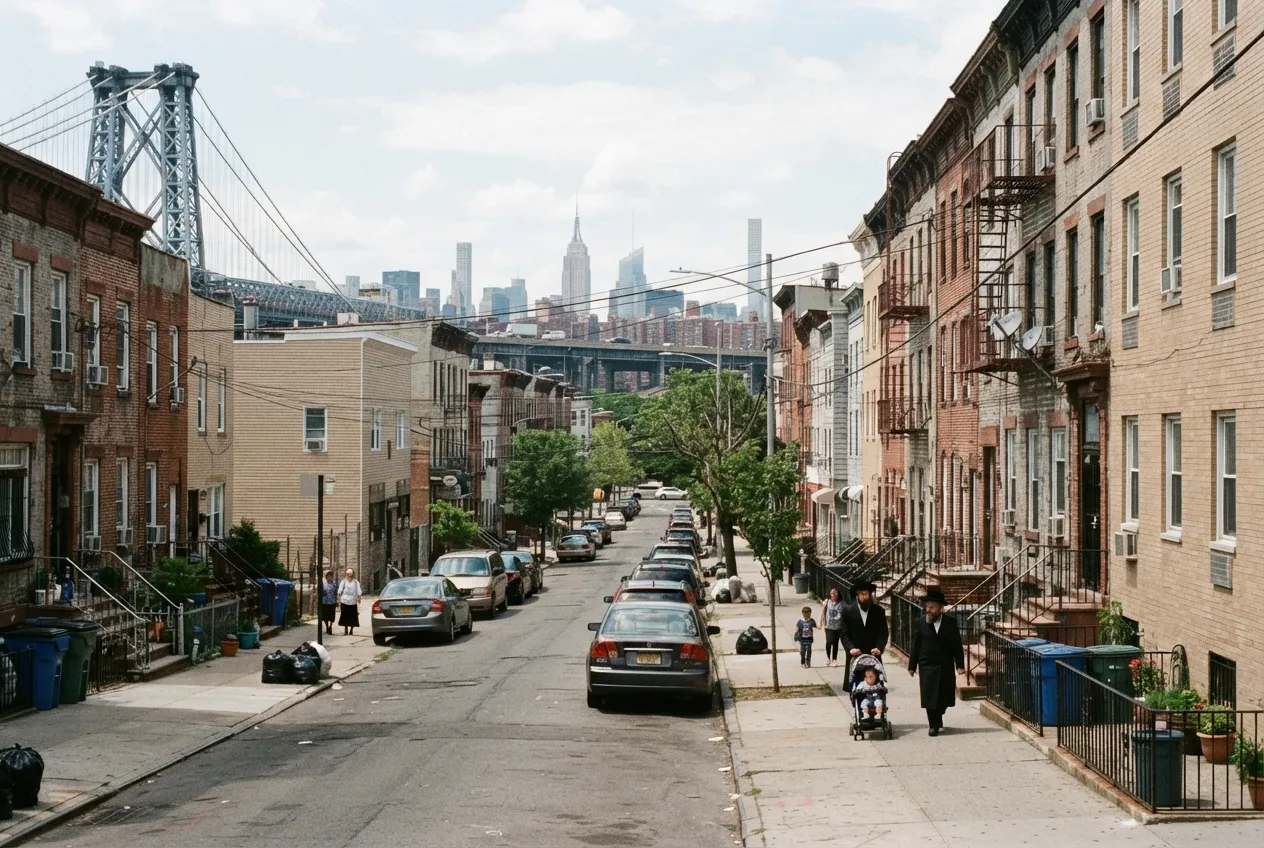
South Williamsburg's housing is mostly older masonry: brick rowhouses, small multi-family buildings, and pre-war apartment buildings, with newer construction mixed in. Many of these buildings share one trait. A single masonry chimney often does a lot of work, venting a boiler through the cold months and sometimes serving fireplaces on upper floors.
Wood fires leave creosote, a tar-like residue that builds up inside the flue and can catch fire. Boiler and furnace flues collect soot and scale, and older clay tile liners can shed pieces that settle at the base of the chimney. Over time, any of these can narrow the flue, slow the draft, and push smoke or combustion gases back into living space. A sweep clears that material out so the chimney can do its job.
What Happens During a Sweep
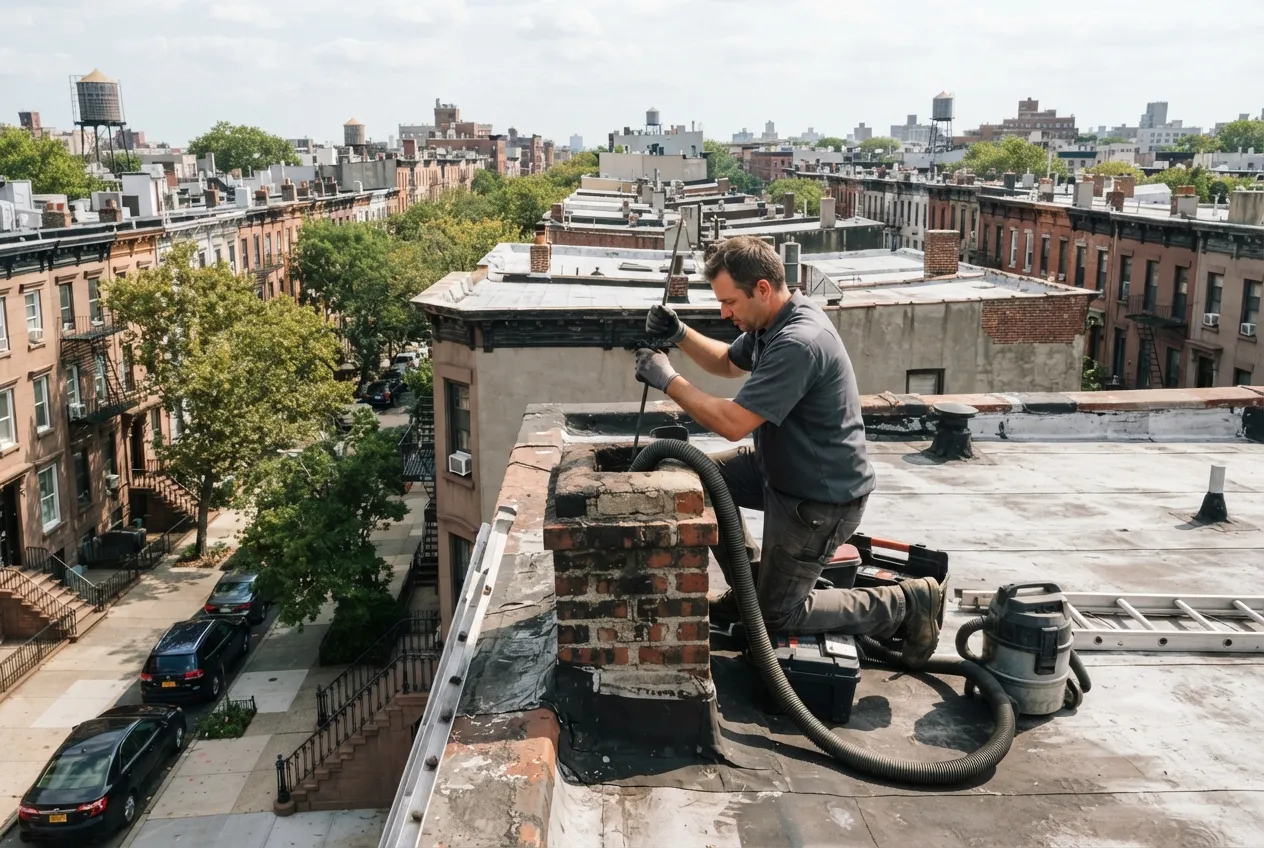
We set up to keep the work contained, especially in finished living rooms and tight apartment hallways. The goal is a clean flue and a clear picture of its condition.
- Protect floors and furnishings around the fireplace or appliance connection
- Brush the flue from top to bottom to remove creosote, soot, and loose debris
- Clean the smoke chamber, smoke shelf, and firebox on fireplace chimneys
- Clear the base of the chimney or cleanout door on boiler and furnace flues
- Use controlled vacuum collection to keep dust out of the room
- Check the damper, cap, and visible liner for damage, blockages, or nesting animals
- Explain what we found and point out anything that needs attention
Sweeping and the Yearly Inspection
The NFPA 211 standard calls for chimneys, fireplaces, and vents to be inspected once a year, and a sweep is a natural time to do it. Chimney professionals use three inspection levels. A Level 1 inspection fits when nothing about the system has changed. A Level 2 inspection is called for when the system changes, such as a new appliance or a switch of fuel, or when the home is sold. A Level 3 inspection applies when a suspected hidden hazard can only be reached by opening part of the chimney or building.
For most South Williamsburg homeowners who use the same fireplace or boiler year after year, a sweep plus a Level 1 inspection covers the routine. If you're buying or selling a rowhouse or condo, or replacing your heating equipment, ask about a Level 2.
Time for your annual chimney check?
Boiler Conversions and Chimney Liners
Many older buildings in this part of Brooklyn were built to burn oil. When a New York City building converts its boiler from oil to gas, the chimney has to be evaluated as part of the work. A new liner is often needed, because gas exhaust produces acidic condensate that can corrode a masonry flue that was never designed for it.
If your building has converted, or you're planning a conversion, sweeping the old flue is usually the first step. It removes years of oil soot so the chimney's condition can actually be seen and evaluated before any liner decision is made.
Timing Your Sweep Around Heat Season
New York City's heat season runs from October 1 through May 31, when building owners must keep apartments heated to the city's minimum temperatures. For buildings that depend on a boiler, that makes late spring and summer the practical window to sweep and inspect the chimney, while the system can be shut down without leaving tenants cold.
Fireplace owners have more flexibility, but scheduling before regular fall use means any repairs found during the sweep can be handled before you need the fireplace.
Serving 11249 and Nearby Neighborhoods
Along with South Williamsburg, our technicians regularly work in Clinton Hill, Fort Greene, Bedford-Stuyvesant, Downtown Brooklyn, and DUMBO. These neighborhoods share much of the same building stock, from brownstones and rowhouses to pre-war apartment buildings, so the same careful approach to sweeping older masonry chimneys applies across all of them.
More services in South Williamsburg
- Chimney Inspection in South Williamsburg
- Chimney Repair in South Williamsburg
- Air Duct Cleaning in South Williamsburg
- Chimney Liner Installation in South Williamsburg