The short answer
Most South Williamsburg homes should have their chimney inspected once a year, as the NFPA 211 standard calls for, ideally before heat season starts on October 1. Choose a Level 2 inspection if you're buying or selling, replacing an appliance, or converting from oil to gas.
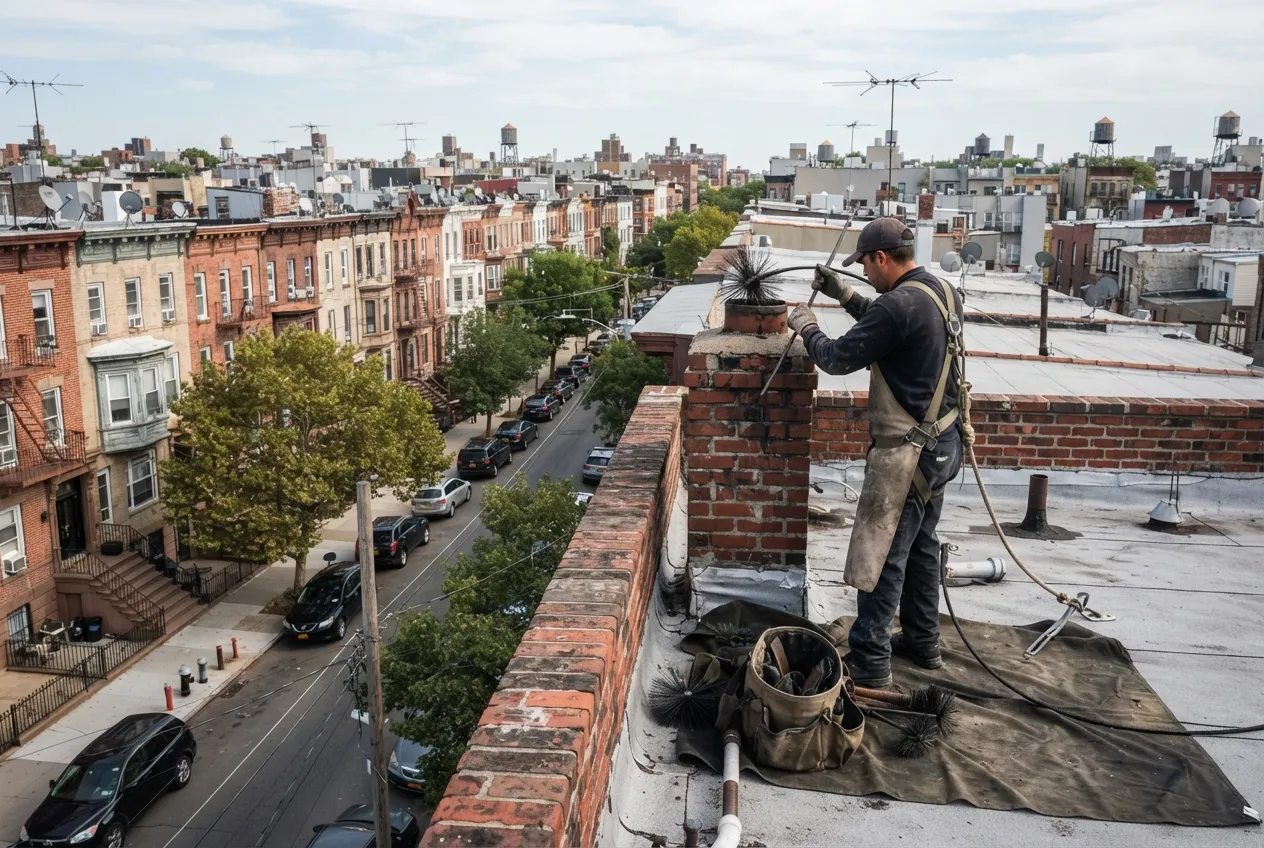
In South Williamsburg, many homes and small apartment buildings rely on masonry chimneys that vent boilers and water heaters, and some rowhouses still have working fireplaces. A chimney inspection tells you whether that flue is sound, clear, and suited to the appliances it serves. TrueHearth Chimney Service sends certified technicians from our Prospect Heights office, about 2 miles south, to homes throughout the 11249 ZIP code. Below we explain what an inspection covers, which level you likely need, and how to schedule it around the heating season.
Why Inspections Matter for South Williamsburg Buildings
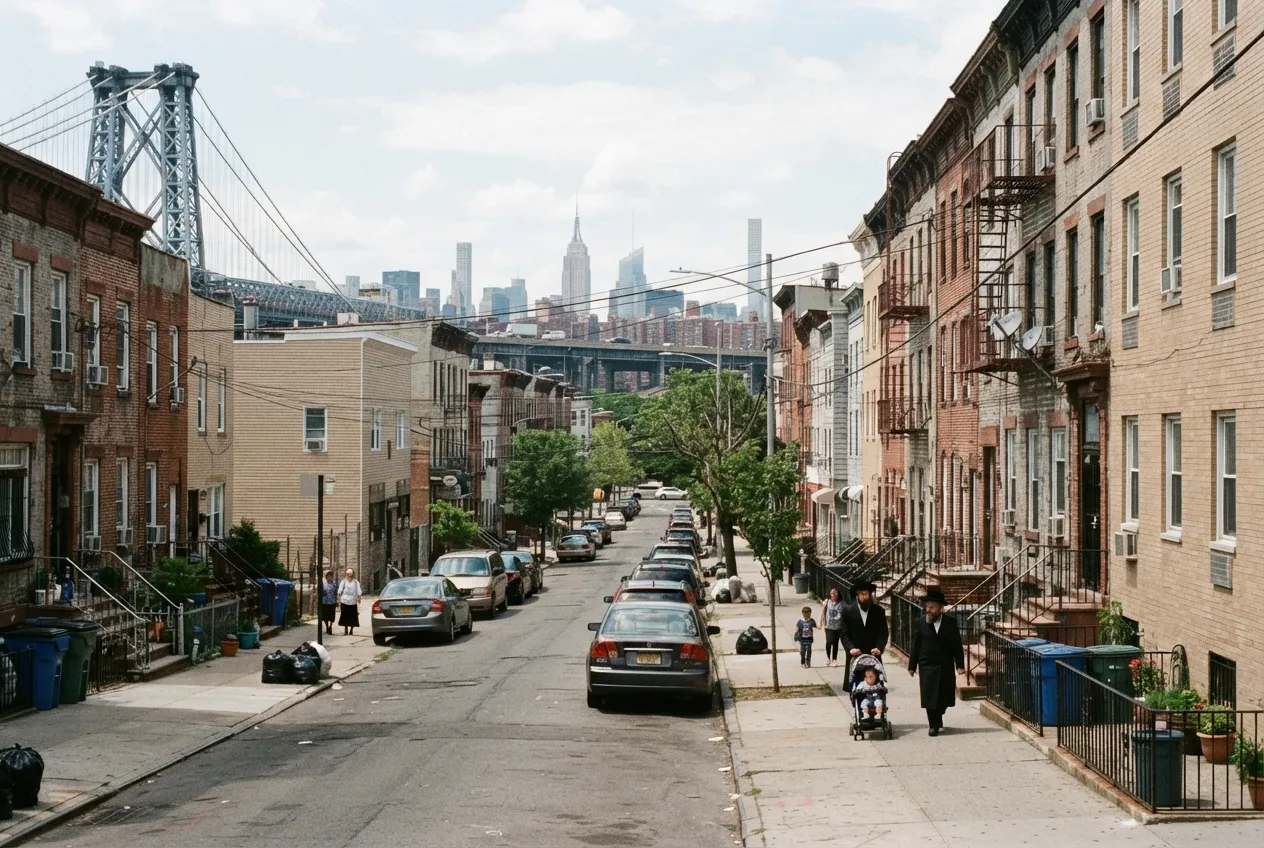
Most housing in South Williamsburg is attached: brick rowhouses, pre-war walk-up apartment buildings, and multi-family homes, with some newer construction mixed in. In older masonry buildings, one chimney often carries exhaust from both a boiler and a water heater. Sometimes several flues run side by side in a single stack. When one flue is cracked or blocked, the problem can affect more than one unit.
Chimneys here also get heavy use. New York City's heat season runs from October 1 through May 31. During that period, building owners must keep apartments heated to the city's minimum temperatures. That means boilers fire for most of the year, and the chimney venting them works just as long. An inspection before the season starts leaves time to fix problems before tenants and families depend on the heat.
Which Inspection Level Do You Need?
The NFPA 211 standard calls for chimneys, fireplaces and vents to be inspected once a year. Chimney professionals use three inspection levels, and the right one depends on what has changed in your home.
For buyers and sellers in South Williamsburg, a Level 2 is usually the right choice, because a home sale is one of the situations that calls for it.
- Level 1: For a chimney and appliance that haven't changed since the last inspection. We check the accessible parts of the chimney, the appliance connection, and the flue for blockages and deposits.
- Level 2: For when the system changes, such as a new boiler or water heater or a switch of fuel, or when the home is sold. This is a more thorough review, and it typically includes a camera scan of the flue interior.
- Level 3: For when a hidden hazard has to be reached by opening part of the chimney or building. This might follow a Level 2 that finds signs of damage that can't be seen any other way.
Converting From Oil to Gas
Many older Brooklyn buildings were built for oil heat. When a New York City building converts its boiler from oil to gas, the chimney has to be evaluated as part of the work. A new liner is often needed, because gas exhaust produces acidic condensate that can corrode a masonry flue. A flue that held up fine for oil may not hold up for gas.
If you're planning a conversion, bring us in early. We inspect the flue, report its condition, and tell you whether a liner looks necessary. That way you and your boiler contractor are working from the same information.
Time for your annual chimney check?
What Our Technicians Check
Our certified technicians explain what they find in plain terms. Depending on the inspection level, we look at:
After the visit, you get a written summary, with photos where we can take them, so you can make decisions about repairs or cleaning with clear information.
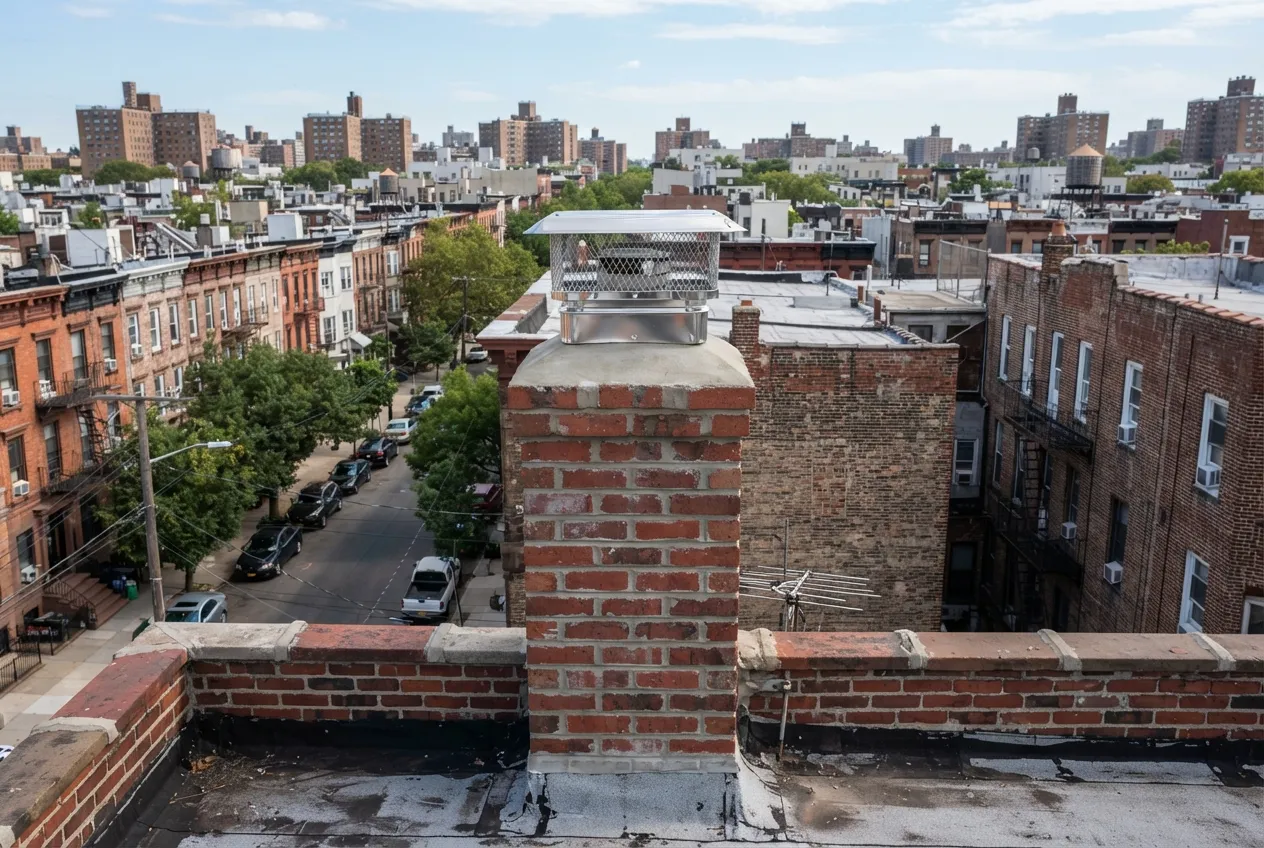
- The chimney crown, cap, and exterior masonry, including mortar joints and spalling brick
- The flue liner, checking for cracks, gaps, corrosion, and missing sections
- Soot, creosote, and debris, including fallen masonry at the base of the flue
- Connections from the boiler or water heater to the chimney
- Firebox, damper, and smoke chamber in homes with working fireplaces
- Signs of water entry, nesting animals, or other blockages
Scheduling in South Williamsburg and Nearby
Our Prospect Heights office is about 2 miles from South Williamsburg, so homes in 11249 are a short trip for our crews. Late summer and early fall are the easiest times to book before heat season, but we inspect year-round. A mid-season check makes sense if you notice smoke odors, water stains near the chimney, or a boiler that keeps shutting down.
We also serve nearby Clinton Hill, Fort Greene, Bedford-Stuyvesant, Downtown Brooklyn, and DUMBO. For apartment buildings, tell us how many units and appliances share the chimney so we can plan the visit.
More services in South Williamsburg
- Chimney Sweep in South Williamsburg
- Chimney Repair in South Williamsburg
- Air Duct Cleaning in South Williamsburg
- Chimney Liner Installation in South Williamsburg