The short answer
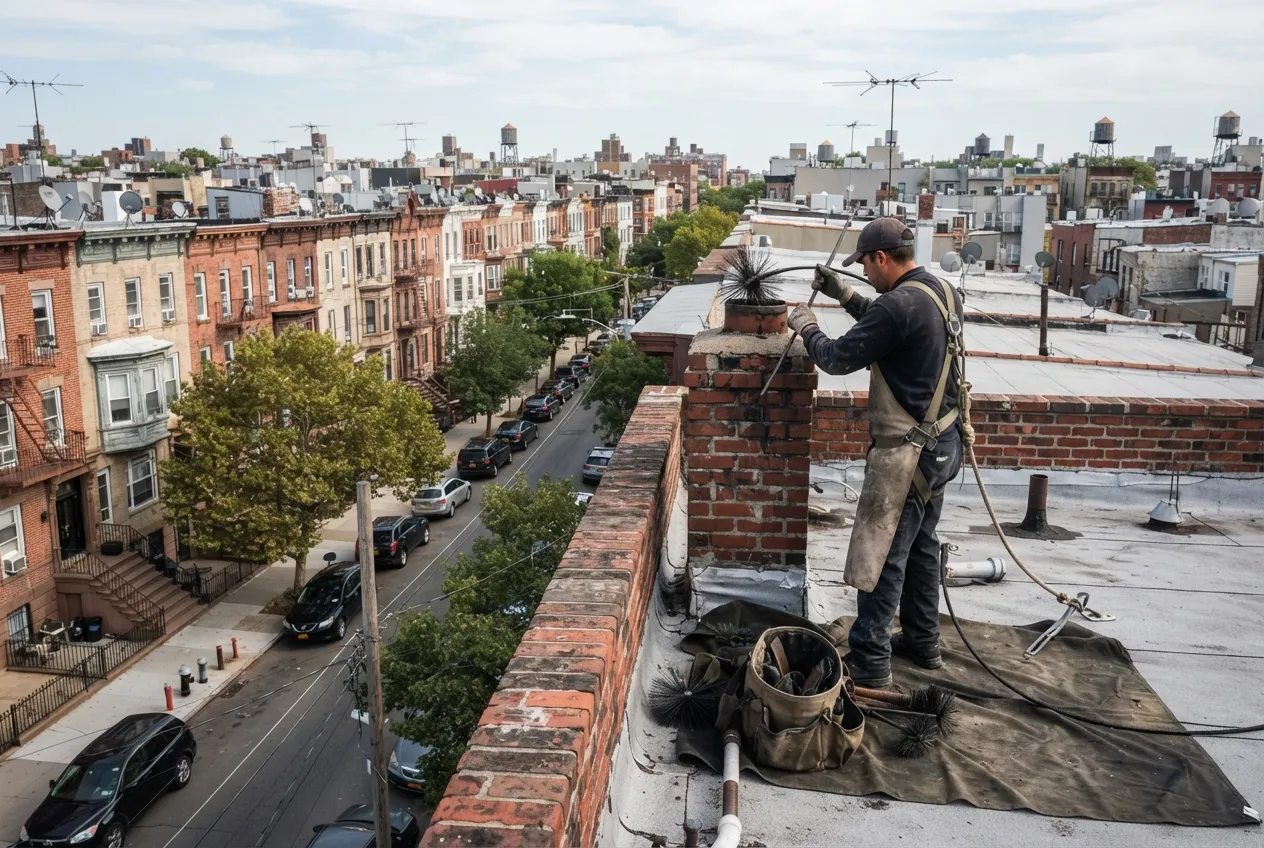
Downtown Brooklyn homes and buildings most often need a chimney liner after an oil-to-gas boiler conversion, or when an old masonry flue is cracked or the wrong size. TrueHearth inspects the flue, sizes a liner to the appliance it serves and installs it from the roof. The work is easiest to schedule outside the October-to-May heat season.
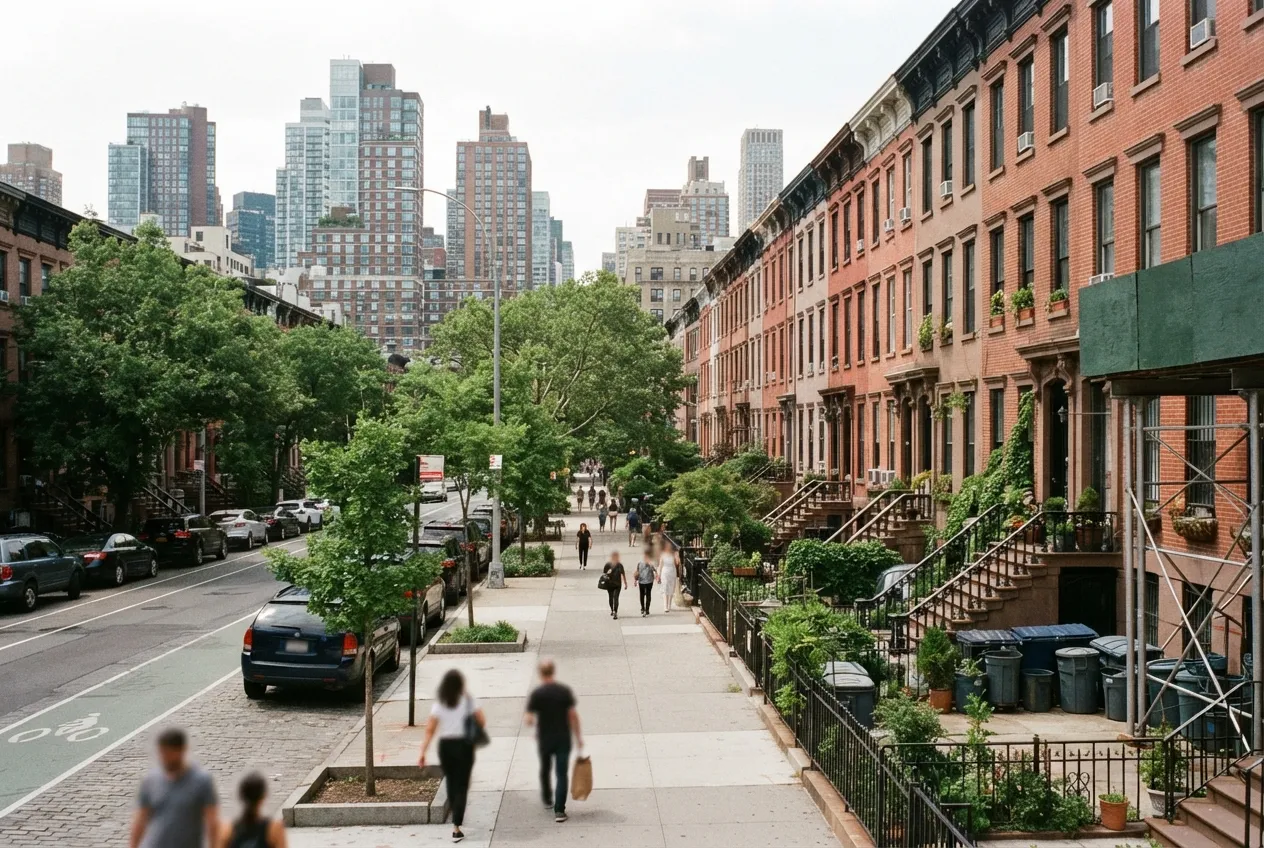
Downtown Brooklyn has pre-war apartment buildings, brownstones and rowhouses alongside newer construction. Many of the older buildings still vent a boiler, water heater or fireplace through the original masonry chimney. When that flue is cracked, unlined or the wrong size for the appliance connected to it, exhaust can leak into living space, or moisture can condense inside the chimney and wear away the masonry. TrueHearth Chimney Service installs chimney liners for homes and buildings in ZIP code 11201. Our office in Prospect Heights is about 2 miles away.
Why Liners Come Up So Often in Older Brooklyn Buildings
Chimneys in older Brooklyn buildings were usually built for coal or oil. Many of those flues are unlined brick, or they have clay tiles that have cracked or shifted over the decades. A liner gives exhaust a sealed path that is sized correctly for the appliance and runs all the way to the top of the chimney.
The most common reason we install liners here is a heating conversion. When a New York City building converts its boiler from oil to gas, the chimney has to be evaluated as part of the work. A new liner is often needed because gas exhaust produces acidic condensate that can corrode a masonry flue. Exhaust from modern gas equipment also tends to run cooler, so in an oversized flue it can condense before it leaves the chimney.
Signs Your Chimney May Need a New Liner
If any of the following applies to your home, have the flue checked before the next heating season.
- You're converting a boiler from oil to gas, or replacing a boiler or water heater
- Flakes of tile, mortar or brick are collecting at the base of the chimney or in the cleanout
- You see water stains, white mineral deposits or damp patches on walls near the chimney
- Smoke from the fireplace drifts into the room, or the draft seems weak
- An inspection found cracked, missing or gapped flue tiles
- You're buying or selling a home that has a chimney
How We Install a Chimney Liner
Every job starts with an inspection. Under the NFPA 211 standard, a Level 2 inspection is the usual choice when the system changes, such as a new appliance or a switch of fuel, or when a home is sold. It includes running a camera down the full length of the flue. That lets our certified technicians see joints, cracks and blockages that aren't visible from the roof or the cleanout.
Next, we size the liner to the appliance or fireplace it will serve. A liner that is too large can let exhaust cool and condense. One that is too small can restrict the draft. We'll explain which type fits your chimney:
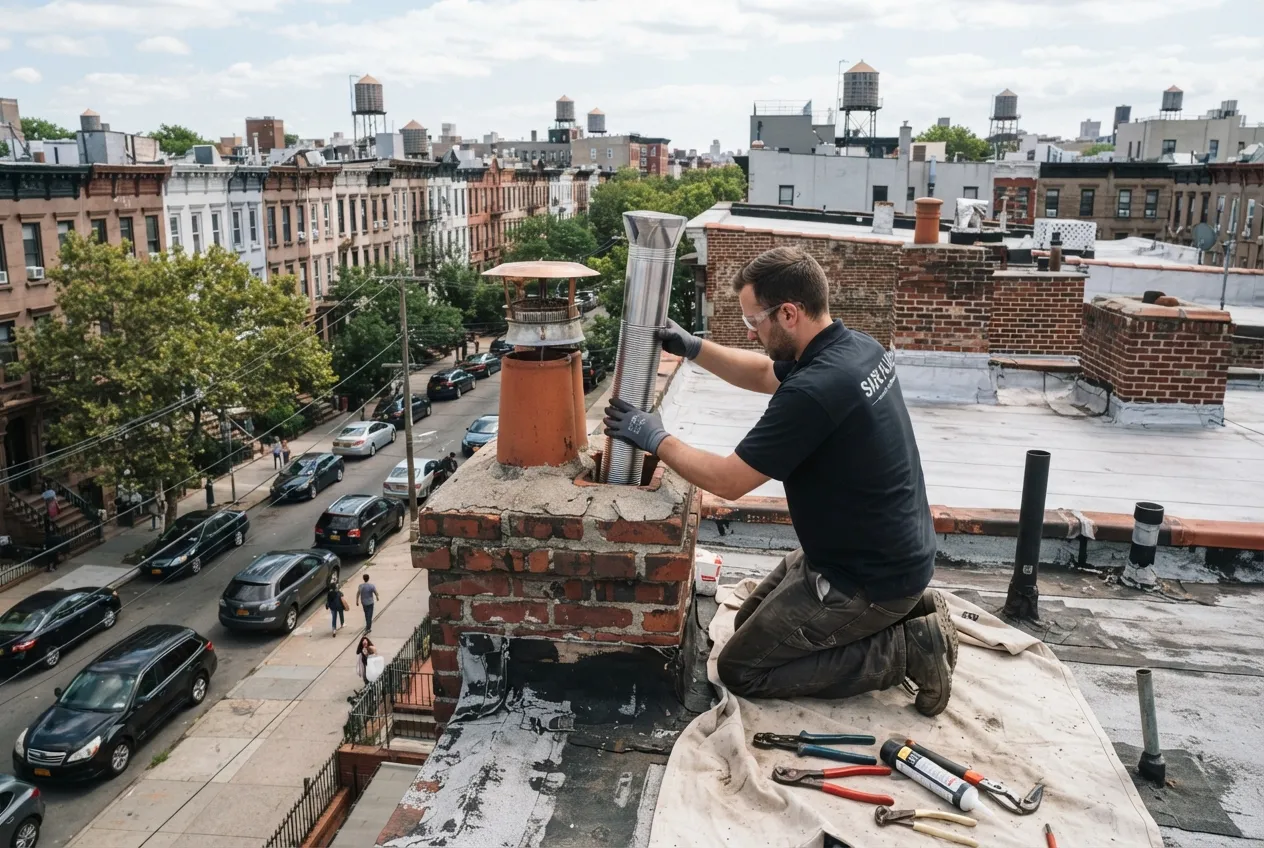
Most of the installation happens from the roof. We feed the liner down the flue and connect it at the bottom to the appliance or the fireplace's smoke chamber. A top plate and cap finish the job at the crown. In rowhouses and apartment buildings, we arrange roof access and any work in shared mechanical spaces with you or your building ahead of time.
- Stainless steel liners, used for most gas, oil and wood-burning setups
- Insulated liners, for chimneys on an exterior wall or appliances that need extra draft
- Fireplace liners, which usually need a larger diameter than a boiler or water heater liner
Time for your annual chimney check?
Planning Around the Heat Season
New York City's heat season runs from October 1 through May 31. During that time, building owners must keep apartments heated to the city's minimum temperatures. A boiler that can't vent safely can't run, so liner work on a building's heating system is easiest to schedule in late spring and summer. If a problem turns up in the middle of winter, contact us right away so we can plan a fix with as little downtime as possible.
Once the liner is in, keep up with yearly inspections. NFPA 211 calls for chimneys, fireplaces and vents to be inspected once a year. A Level 1 inspection is normally enough when nothing about the system has changed.
Serving Downtown Brooklyn and Nearby Neighborhoods
We install liners throughout Downtown Brooklyn in 11201, and in DUMBO, Boerum Hill, Fort Greene, Clinton Hill and Prospect Heights. You might own a brownstone with a working fireplace or manage a pre-war building that is about to convert to gas. Either way, we'll go over what we found and what we recommend before any work begins.
More services in Downtown Brooklyn
- Chimney Sweep in Downtown Brooklyn
- Chimney Inspection in Downtown Brooklyn
- Chimney Repair in Downtown Brooklyn
- Air Duct Cleaning in Downtown Brooklyn