The short answer
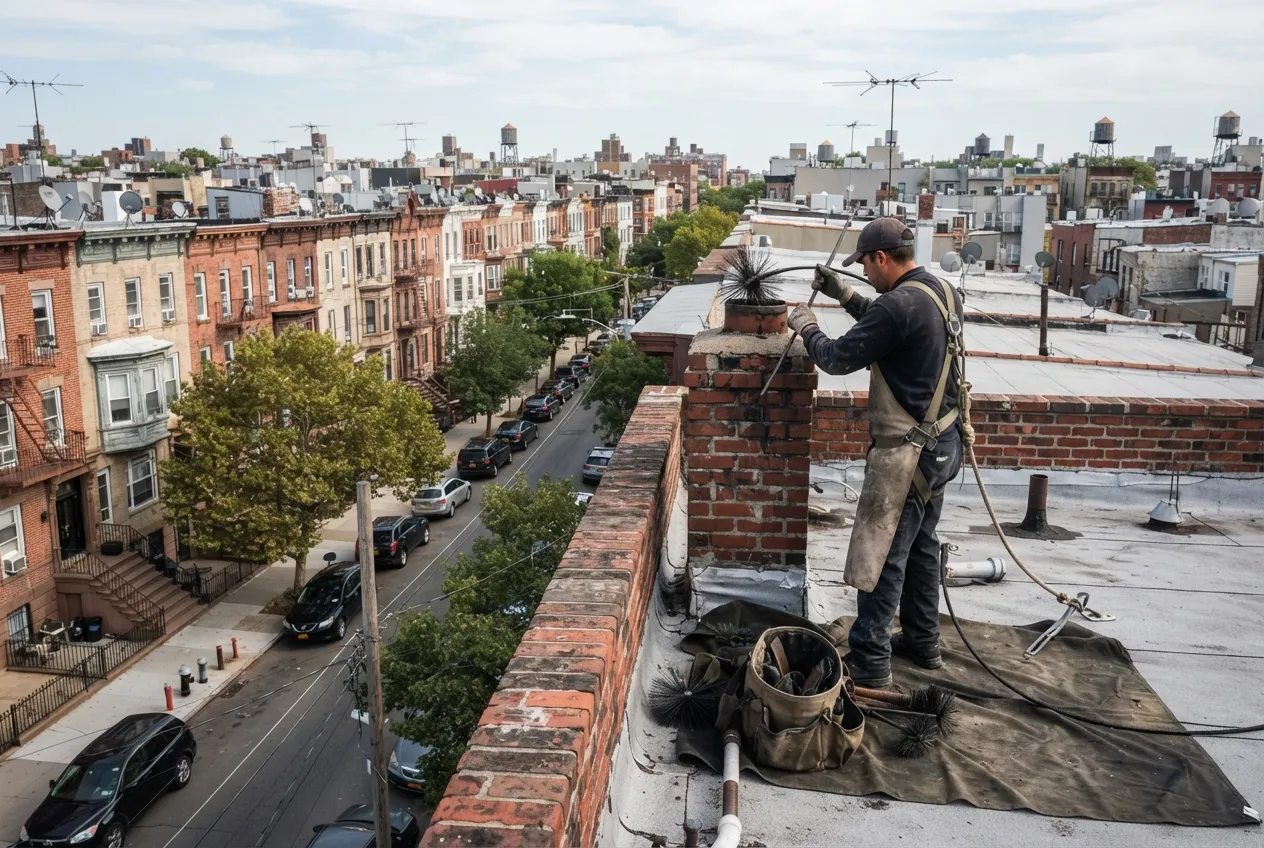
TrueHearth repairs chimneys in Boerum Hill brownstones, rowhouses and pre-war buildings, including masonry, crowns, flashing, caps and flue liners. Our certified technicians inspect first, explain what they find, and fix the cause of the problem. That includes liner work needed for oil-to-gas boiler conversions.
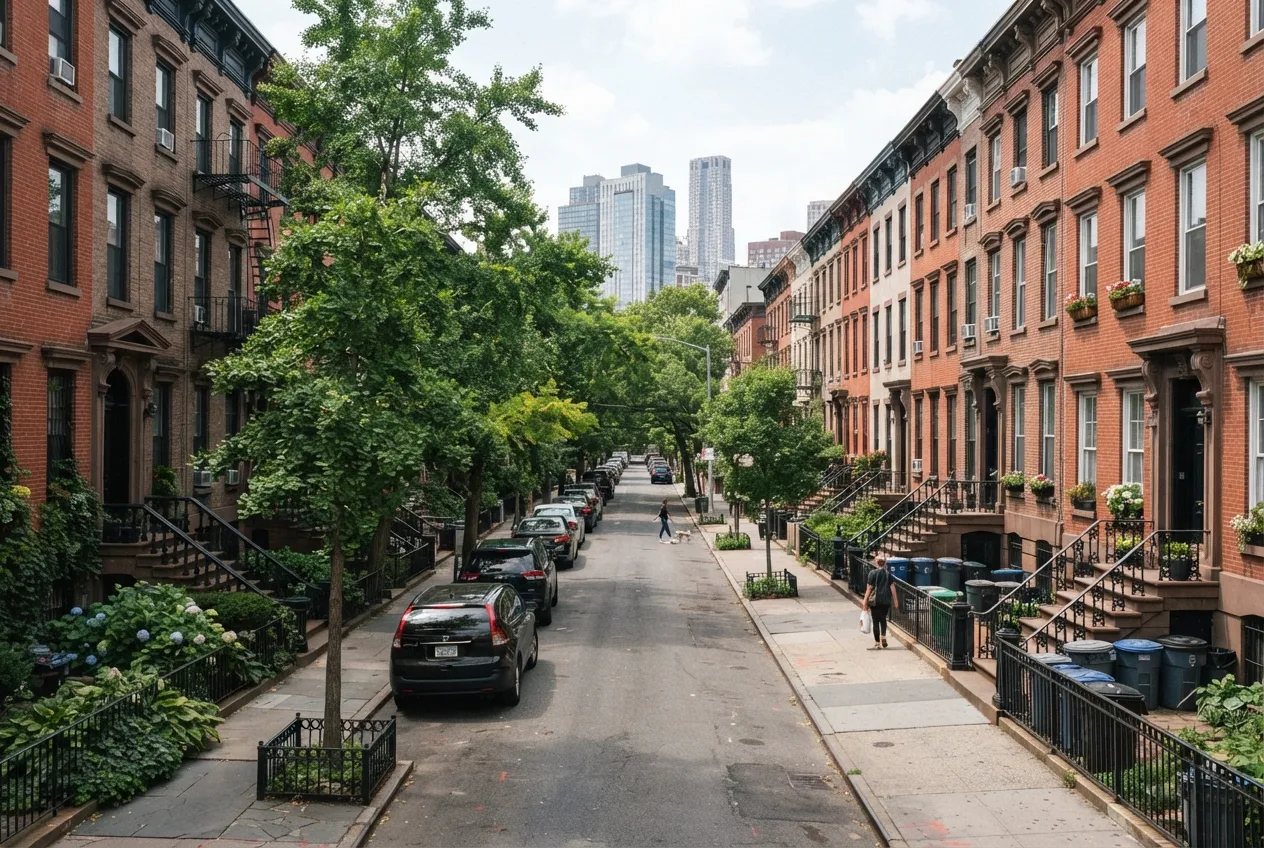
Boerum Hill's rowhouses and brownstones were built with masonry chimneys that have now been through many decades of freeze-thaw cycles, rain and heating seasons. Many still serve a working fireplace, a boiler or a water heater. Others sit unused behind a sealed hearth. TrueHearth Chimney Service repairs chimneys in Boerum Hill (ZIP 11201) from our base in Prospect Heights, about 2 miles away. Our certified technicians find out why a chimney is failing, explain what they found in plain terms, and fix the cause of the problem instead of covering it up.
Chimney Problems We Fix in Boerum Hill Homes
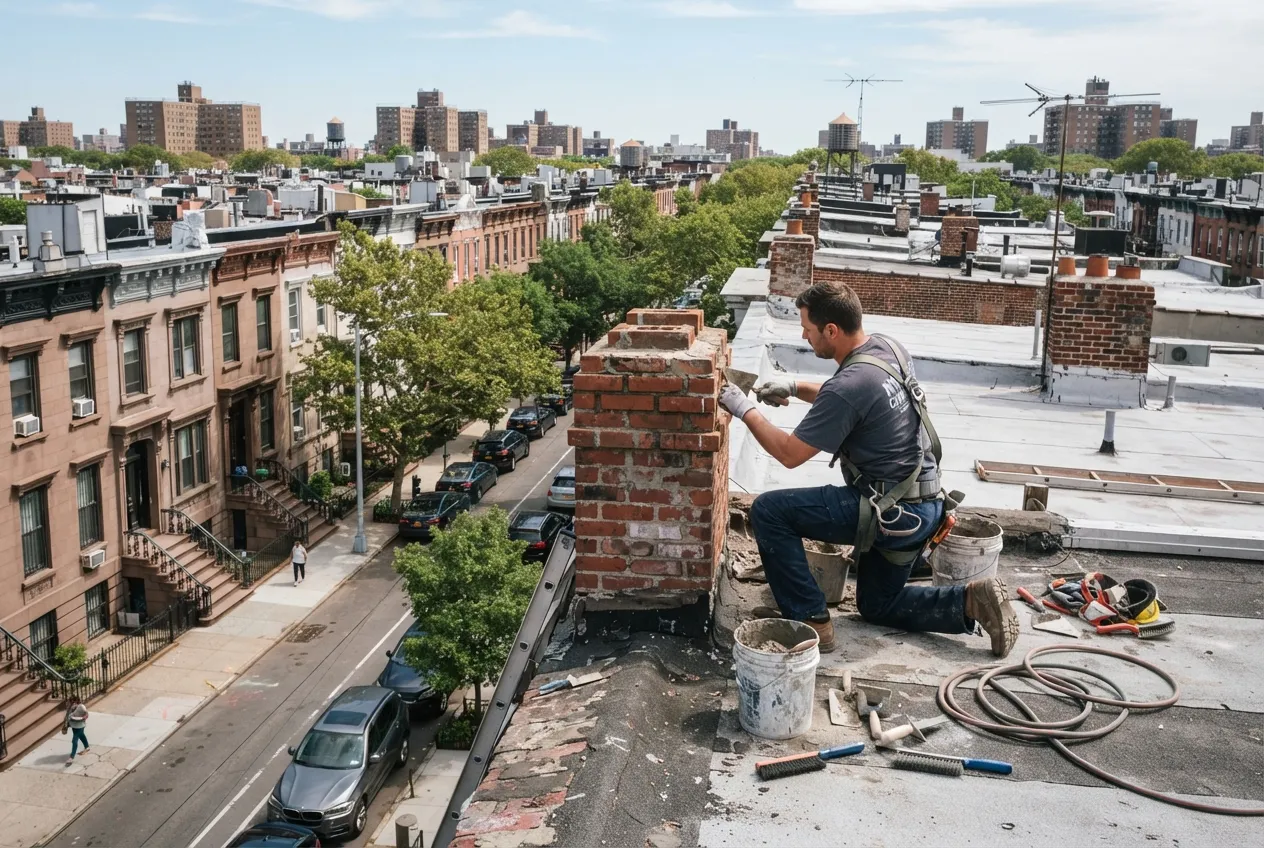
Most chimney damage in older Brooklyn masonry starts with water. Once moisture gets into brick and mortar, winter freezing widens small cracks, and the damage spreads from the top of the chimney down. Inside, a flue that has vented a home's heat for decades can crack, lose mortar between its tiles, or corrode. These are the repairs we handle most often:
Watch for water stains on a ceiling or wall near the chimney, white powdery residue on the brick, flakes of tile or mortar in the fireplace, or a damper that no longer closes. Any of these is worth having checked.
- Repointing: replacing loose, crumbling mortar joints so water stops getting into the brickwork
- Rebuilding the top of a chimney when bricks above the roofline are loose or spalling
- Repairing or replacing a cracked chimney crown, the cement cap that sheds water off the top
- Installing or replacing chimney caps to keep out rain, birds and squirrels
- Resealing or replacing flashing where the chimney meets the roof
- Repairing damaged flue tiles or installing a new stainless steel liner
- Fixing firebox brick, smoke chambers and dampers on working fireplaces
Oil-to-Gas Conversions and Flue Liners
Many brownstones and pre-war apartment buildings in the area once heated with oil. When a New York City building converts its boiler from oil to gas, the chimney has to be evaluated as part of the work. A new liner is often needed, because gas exhaust produces acidic condensate that can corrode a masonry flue from the inside.
If you are planning a conversion or replacing a boiler or water heater, bring us in early. We inspect the flue and tell you whether it can safely serve the new appliance. If a liner is needed, we size and install it so your plumber or heating contractor can finish the job.
How We Diagnose Before We Repair
The NFPA 211 standard calls for chimneys, fireplaces and vents to be inspected once a year, and chimney professionals use three inspection levels. A Level 1 inspection fits a chimney where nothing has changed. A Level 2 inspection applies when the system changes, such as a new appliance or a switch of fuel, or when the home is sold. A Level 3 inspection is used when a hidden hazard has to be reached by opening part of the chimney or building.
On a repair call, we start with the inspection level that fits your situation. We look at the chimney from the roof and from inside, and we use a camera to see the flue when needed. Before any work begins, you get a clear description of what is wrong, what we recommend fixing now, and what can wait.
Time for your annual chimney check?
Attached Rowhouses and Multi-Unit Buildings
In attached rowhouses, a chimney often sits in a shared wall, so work on one side can affect the neighbor. In multi-unit buildings, several flues may run through the same stack. We plan access, roof work and debris control with that in mind. Before work starts, we can walk an owner, a co-op board or a building manager through what the repair involves.
We also serve nearby Downtown Brooklyn, DUMBO, Fort Greene, Clinton Hill and Prospect Heights, where much of the housing raises the same questions.
Plan Repairs Before Heat Season
New York City's heat season runs from October 1 through May 31. During those months, building owners must keep apartments heated to the city's minimum temperatures. If a boiler chimney needs major repair or a new liner in midwinter, tenants can be left without heat while the work is done. Scheduling inspections and repairs in late spring or summer lets you handle masonry and liner work in better weather, without pressure on the heating system.
If a problem shows up in winter, contact us anyway. Some repairs can be done in cold weather, and we will tell you what is safe to keep using until the work is finished.
More services in Boerum Hill
- Chimney Sweep in Boerum Hill
- Chimney Inspection in Boerum Hill
- Air Duct Cleaning in Boerum Hill
- Chimney Liner Installation in Boerum Hill