The short answer
Boerum Hill homes should have their chimneys inspected once a year, as the NFPA 211 standard calls for. A Level 1 inspection fits most fireplaces and boiler chimneys in regular use. A Level 2 inspection is needed after a fuel switch such as an oil-to-gas conversion, after a new appliance is installed, or when the home is sold.
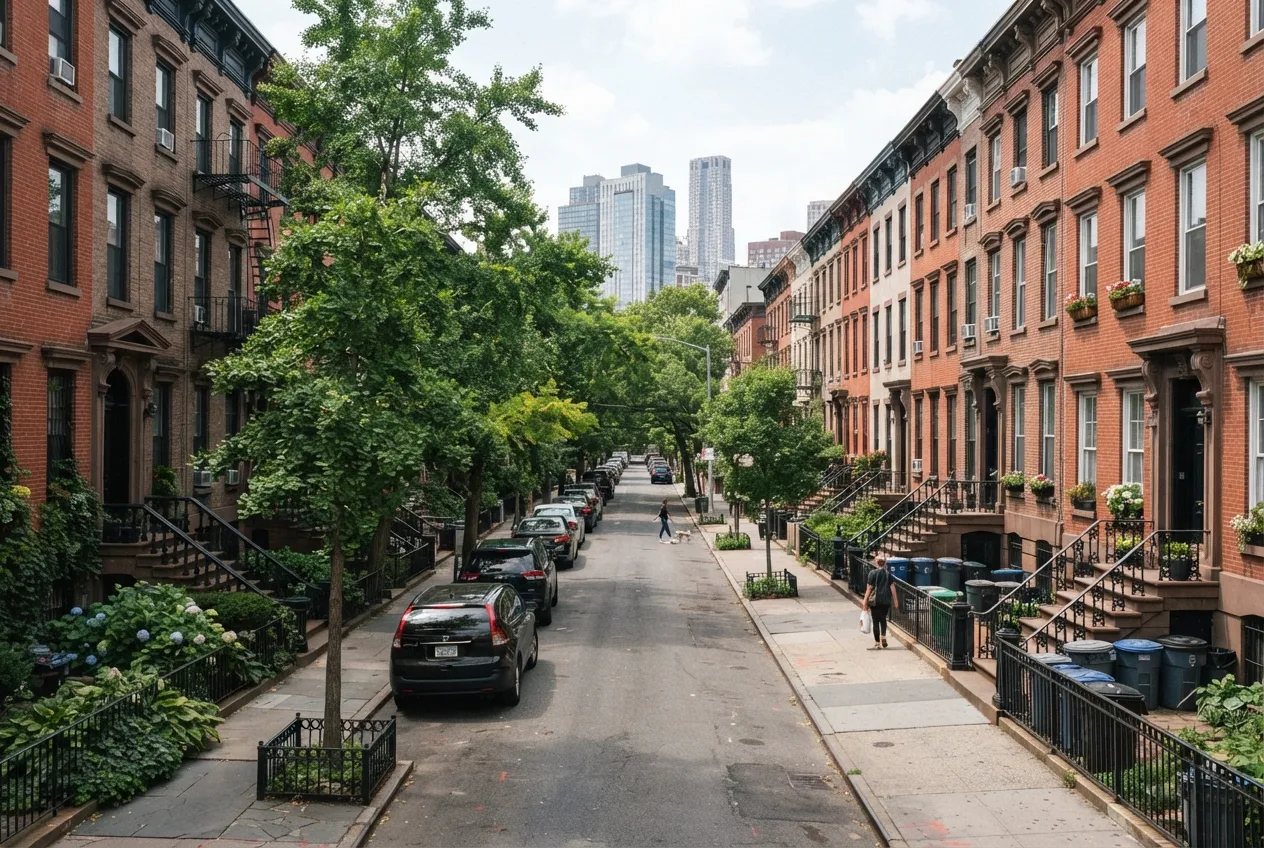
Many of Boerum Hill's brownstones, rowhouses and pre-war apartment buildings have masonry chimneys, and in older homes a single flue may have served more than one fuel over the years. A chimney inspection tells you what condition yours is in right now: whether the flue is intact, whether it's lined correctly for the appliance it serves, and whether anything is blocking the path for smoke and exhaust. TrueHearth's certified technicians come from our office in Prospect Heights, about 2 miles southeast, to inspect fireplaces, boiler chimneys and vents throughout the 11201 ZIP code.
What a Chimney Inspection Covers in a Boerum Hill Home
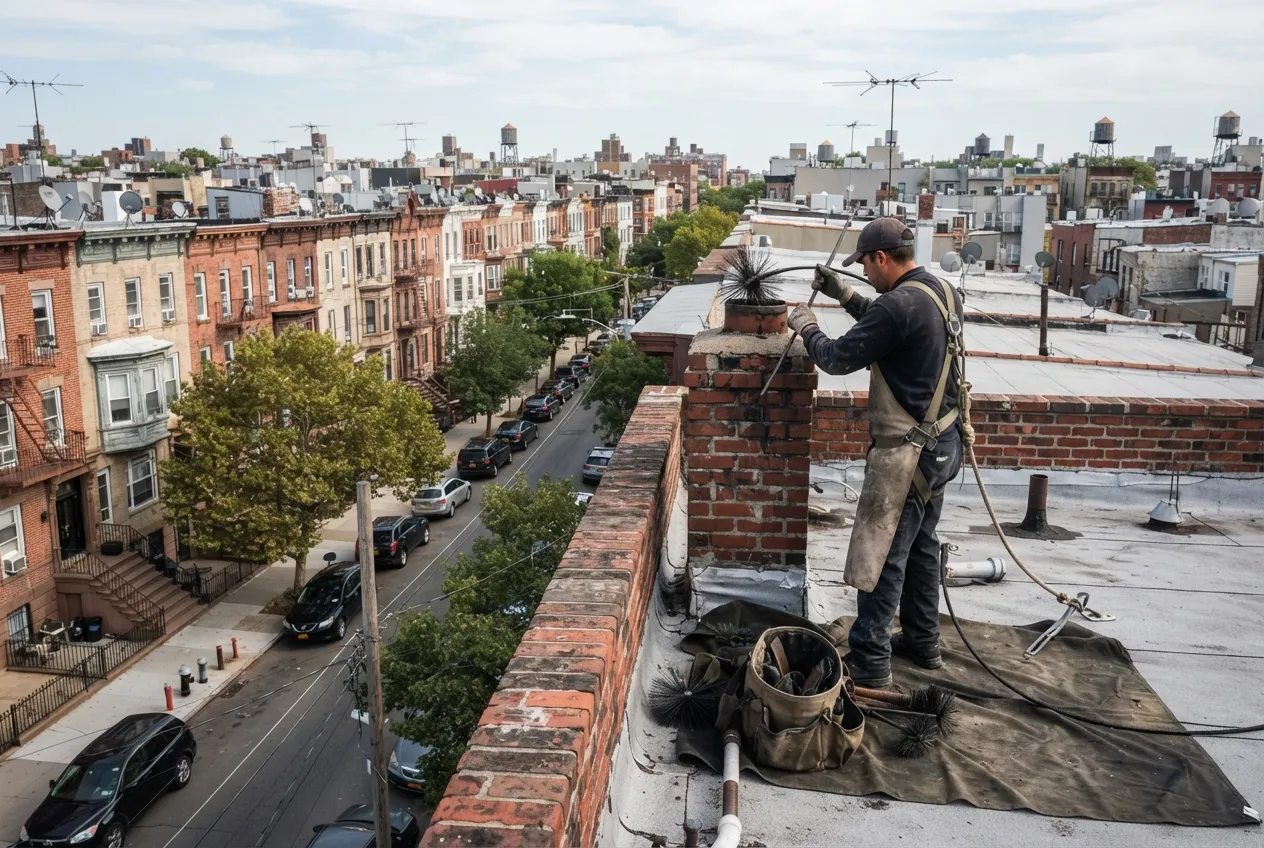
In attached rowhouses and brownstones, a chimney rarely stands alone. It may share a stack with the house next door, carry several flues side by side, and pass through finished rooms where cracks or leaks stay hidden behind plaster. Our inspection follows the chimney from the appliance or firebox to the top of the stack. We focus on the parts you can't easily see yourself.
After the visit, we explain what we found in plain terms. We tell you which items need attention now and which can simply be watched.
- Firebox, damper and smoke chamber on wood-burning fireplaces
- Flue liner condition, including cracks, gaps and missing sections
- Creosote and soot buildup that can fuel a chimney fire
- Connector pipes from boilers, furnaces and water heaters
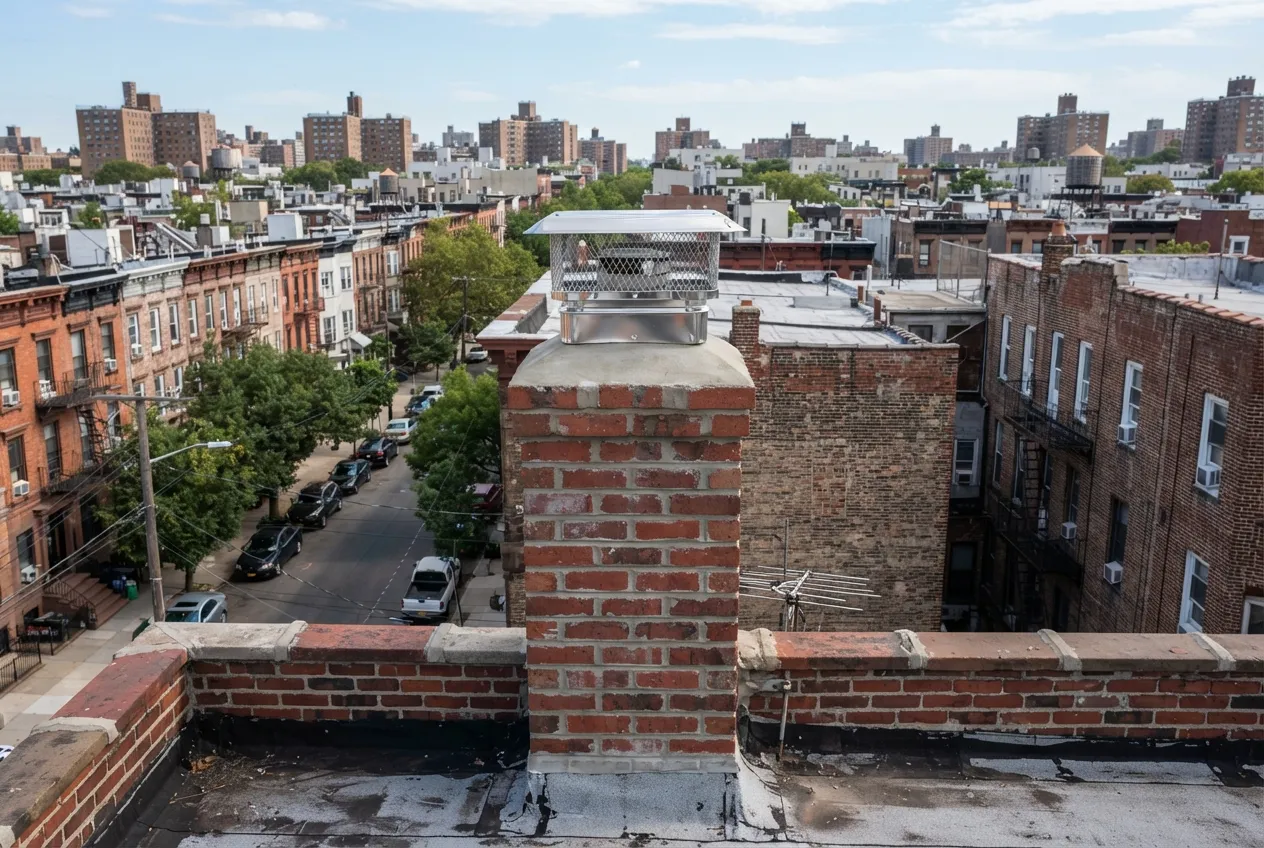
- Crown, cap, flashing and exterior masonry where water can get in
- Blockages such as debris, nests or fallen brick
Which Inspection Level Your Home Needs
The NFPA 211 standard calls for chimneys, fireplaces and vents to be inspected once a year. Chimney professionals use three inspection levels. The right one depends on what has happened with your system.
If you're buying or selling a brownstone or rowhouse in Boerum Hill, a Level 2 inspection gives both sides a clear picture of the chimney before closing. Most homeowners who use their fireplace or boiler regularly, with no changes to the system, only need Level 1.
- Level 1: for a chimney in regular use when nothing about the system has changed.
- Level 2: when the system changes, such as a new appliance or a switch of fuel, or when the home is sold.
- Level 3: when a hidden hazard has to be reached by opening part of the chimney or building.
Oil-to-Gas Conversions and Chimney Liners
Many older Brooklyn buildings have moved from oil heat to gas, or are planning to. In New York City, the chimney has to be evaluated whenever a boiler is converted from oil to gas. A new liner is often needed. Gas exhaust produces acidic condensate, and that condensate can corrode a masonry flue.
If your building is planning a conversion, we can inspect the chimney early. That way you know whether a liner will be part of the job before work starts. Your conversion may already be finished. If you've noticed crumbling mortar, staining on the brick or debris collecting at the base of the flue, an inspection can show whether the flue is breaking down.
Time for your annual chimney check?
When to Schedule Your Inspection
New York City's heat season runs from October 1 through May 31. During that period, building owners must keep apartments heated to the city's minimum temperatures. For owners of multi-unit buildings, late summer and early fall are the practical time to inspect boiler chimneys, so any repairs are finished before heat is required. The same timing works for homeowners with wood-burning fireplaces. An inspection before the first fire of the season catches problems while there's still time to fix them.
We also recommend an inspection after events that can damage a chimney. These include a chimney fire, a strong storm, a water leak near the stack, or renovation work on the house next door.
Serving Boerum Hill and Nearby Neighborhoods
Boerum Hill is a short trip from our Prospect Heights office. We also inspect chimneys in Downtown Brooklyn, DUMBO, Fort Greene, Clinton Hill and Prospect Heights itself. You might own a single brownstone, a rowhouse with a garden apartment or a pre-war building with several units. In each case, we'll schedule a visit that fits your building and walk you through the findings.
More services in Boerum Hill
- Chimney Sweep in Boerum Hill
- Chimney Repair in Boerum Hill
- Air Duct Cleaning in Boerum Hill
- Chimney Liner Installation in Boerum Hill