The short answer
Many Bed-Stuy chimneys have cracked, unlined or wrongly sized masonry flues that can't safely vent modern gas or wood-burning appliances. A properly sized liner, often needed after an oil-to-gas boiler conversion, seals the flue and protects the masonry. An inspection comes first so the liner can be matched to your appliance and chimney.
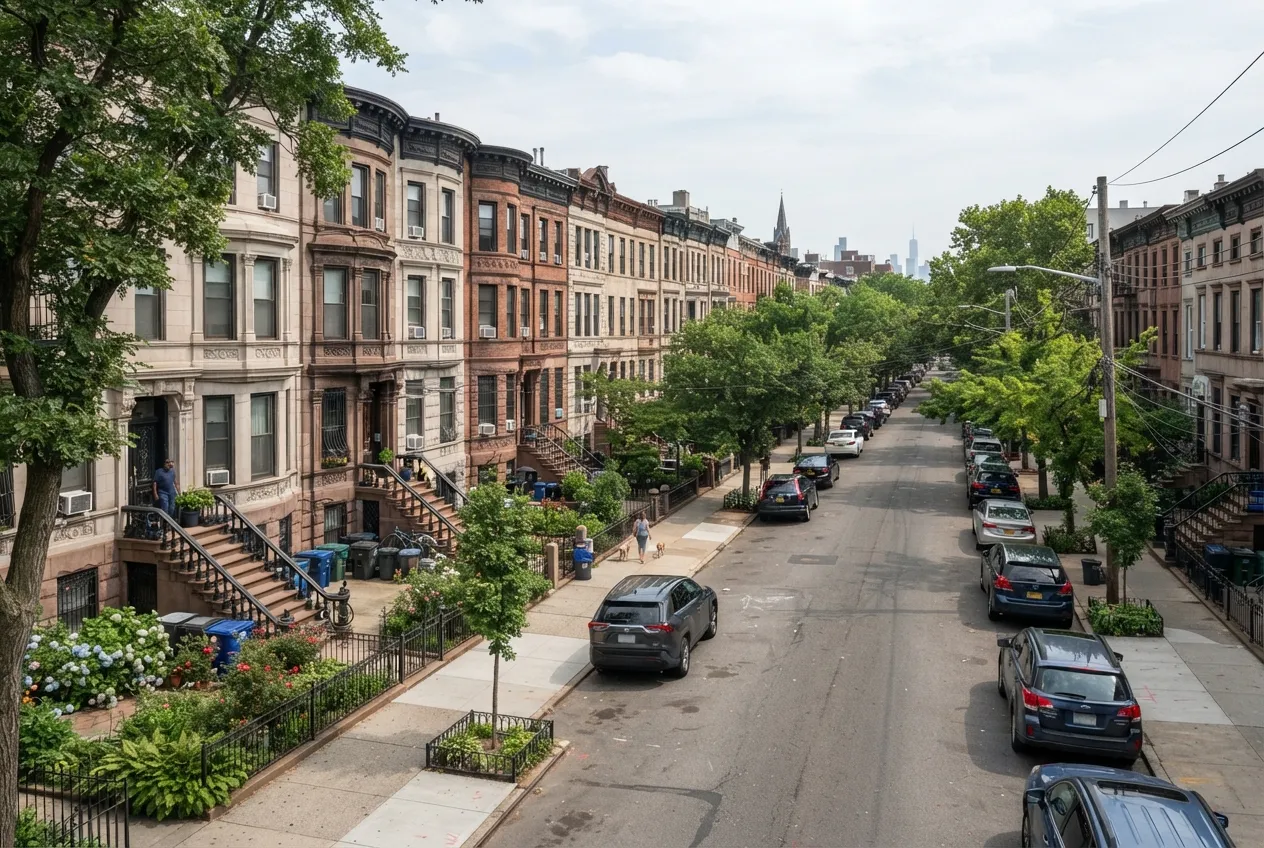
Many chimneys in Bedford-Stuyvesant were built long before today's gas boilers, water heaters and high-efficiency appliances. In the neighborhood's brownstones, rowhouses and pre-war apartment buildings, the original masonry flue may be cracked, unlined, or the wrong size for the equipment now connected to it. A properly sized liner gives exhaust a sealed path out of the house and protects the brick around it. TrueHearth Chimney Service installs chimney liners throughout Bed-Stuy, including ZIP codes 11216 and 11221, from our office in Prospect Heights, about a mile to the west.
Why older Bed-Stuy chimneys often need a liner
A liner is the inner channel that carries smoke and combustion gases up the chimney. Older masonry chimneys were often built with clay tile flue sections, or with no liner at all, relying on brick and mortar alone. Over decades of heat, moisture and freeze-thaw cycles, mortar joints wear away and tiles crack. Those gaps can let heat reach nearby wood framing and let exhaust, including carbon monoxide, leak into living space or into a neighboring flue.
In attached rowhouses, chimneys often sit in shared or party walls, and a single chimney stack may hold several flues serving different floors or appliances. That makes a sound, continuous liner especially important, because a problem in one flue doesn't always stay in one room.
Oil-to-gas conversions and your chimney
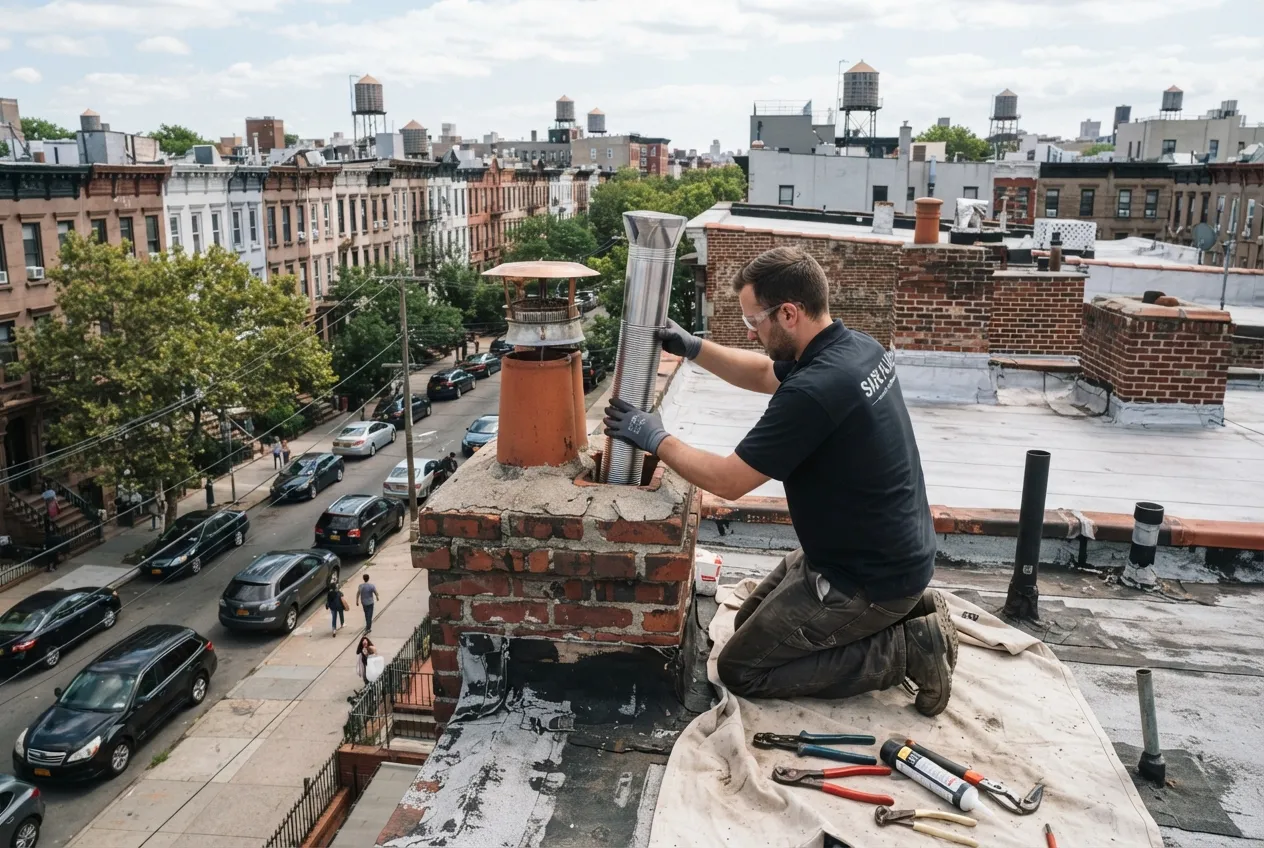
When a New York City building converts its boiler from oil to gas, the chimney has to be evaluated as part of the work. A new liner is often needed because gas exhaust produces acidic condensate that can corrode a masonry flue from the inside. Signs of that damage include crumbling mortar, flaking tile, white staining on exterior brick, and debris collecting at the base of the chimney.
If you are planning a conversion or replacing a boiler or water heater, it helps to bring us in early. We can look at the existing flue, confirm what size and type of liner the new equipment needs, and coordinate timing with your heating contractor so the chimney is ready when the appliance goes in.
Matching the liner to the appliance
A liner that is too large lets exhaust cool and condense on the way up; one that is too small can restrict draft and push gases back into the house. We size each liner to the appliance manufacturer's requirements and to the height and layout of your chimney.
- Stainless steel liners for gas boilers, furnaces and water heaters, chosen to stand up to acidic condensate
- Liners for wood-burning fireplaces and stoves, sized to the firebox or stove outlet
- Relining of flues where clay tiles are cracked, shifted or missing
- Insulation around the liner where the chimney layout and appliance call for it
- New chimney caps to keep rain, debris and animals out of the new liner
Time for your annual chimney check?
What installation involves
The process starts with an inspection. The NFPA 211 standard calls for chimneys, fireplaces and vents to be inspected once a year and describes three inspection levels. A Level 2 inspection applies when the system changes, such as a new appliance or a switch of fuel, or when a home is sold, so it usually comes before a relining project. If a hidden problem can only be reached by opening part of the chimney or building, a Level 3 inspection may be needed.
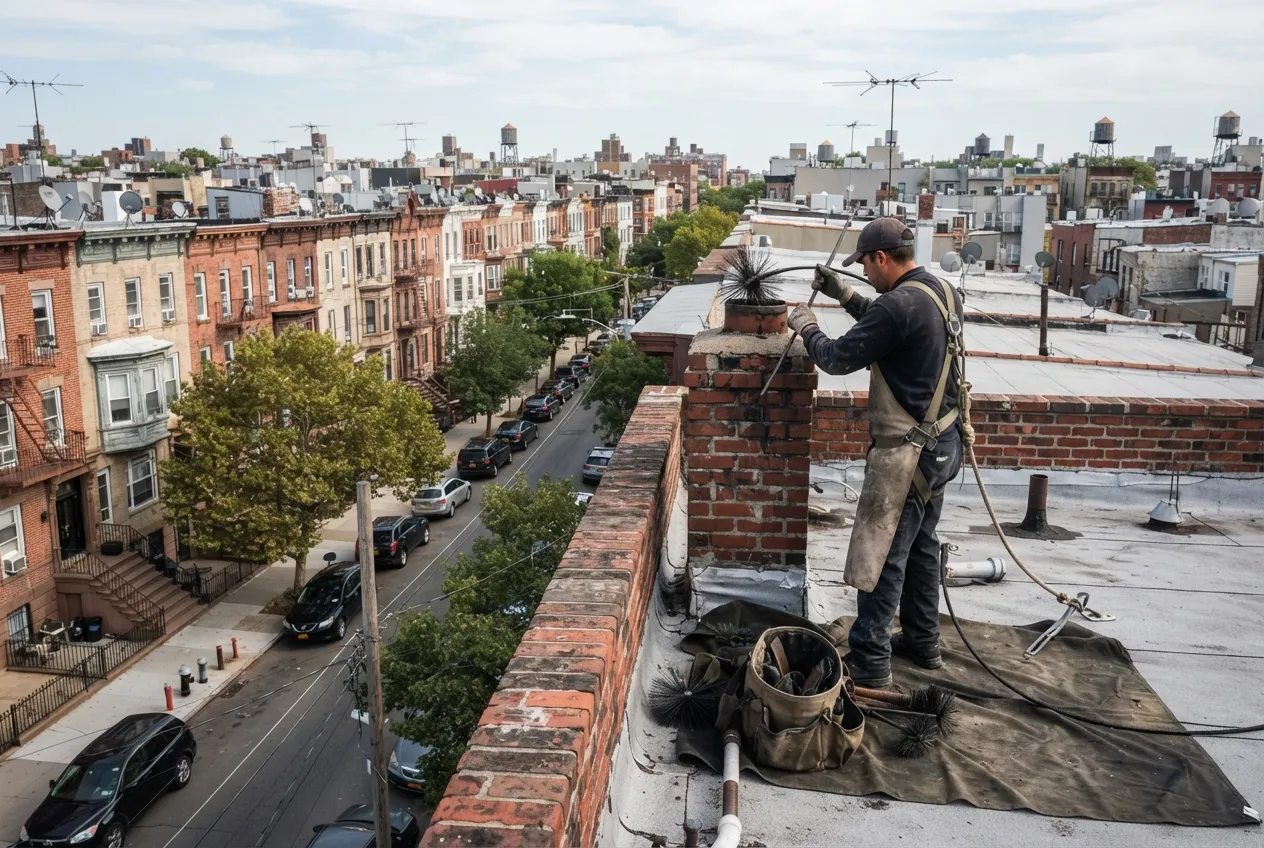
Our certified technicians then clean the flue, measure it, and install the liner from the roof down, connecting it to the appliance at the base and sealing it at the top. We walk you through what we found before the work begins, so you know why each step is needed.
Roof access on attached buildings can take some planning, especially where neighbors share a roofline. We'll tell you ahead of time what access we need.
Planning around heat season
New York City's heat season runs from October 1 through May 31, when building owners must keep apartments heated to the city's minimum temperatures. For owners of multi-family brownstones and pre-war buildings, a boiler that can't run because its chimney isn't safe is a serious problem in the middle of winter. Scheduling liner work in late spring or summer leaves room to handle surprises without putting pressure on your tenants or your heat.
Beyond Bed-Stuy, we also install chimney liners in nearby Crown Heights, Clinton Hill, South Williamsburg, Prospect Heights and Fort Greene.
More services in Bedford-Stuyvesant
- Chimney Sweep in Bedford-Stuyvesant
- Chimney Inspection in Bedford-Stuyvesant
- Chimney Repair in Bedford-Stuyvesant
- Air Duct Cleaning in Bedford-Stuyvesant