The short answer
Yes, a Bedford-Stuyvesant chimney should be inspected once a year, as the NFPA 211 standard recommends, and again whenever you change appliances, switch fuels or sell the home. TrueHearth Chimney Service performs Level 1, Level 2 and Level 3 inspections on Bed-Stuy brownstones, rowhouses and apartment buildings.
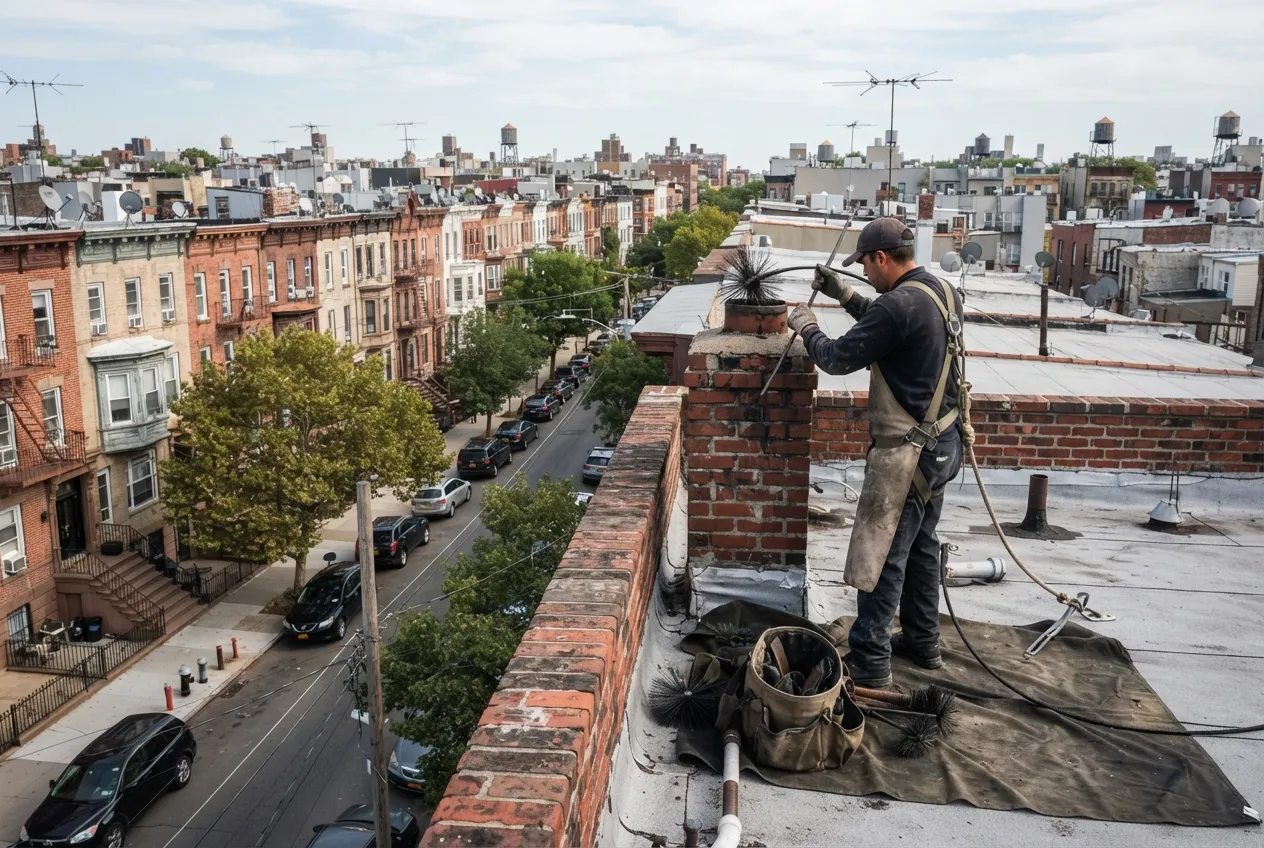
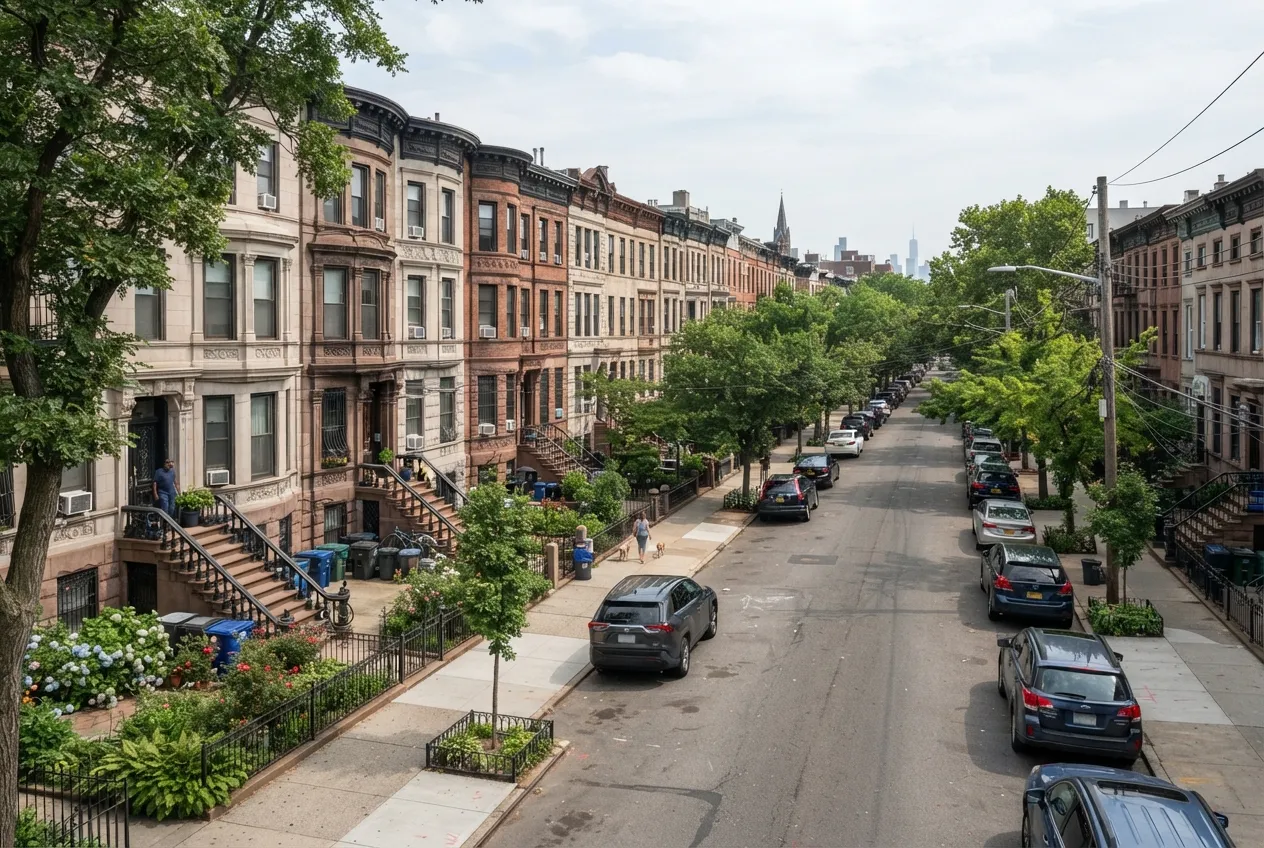
Bedford-Stuyvesant has a lot of old chimneys. Many brownstones and rowhouses have several flues running through shared party walls, and many pre-war apartment buildings vent a boiler through a tall masonry stack. TrueHearth Chimney Service inspects chimneys across Bed-Stuy, in ZIP codes 11216 and 11221, from our office in Prospect Heights about a mile to the west. Our certified technicians look at the whole venting system, from the firebox or appliance connection to the crown. Then they tell you plainly what they found and what, if anything, needs attention.
What a Chimney Inspection Covers in Bed-Stuy Homes
An inspection is a close look at whether your chimney can safely carry smoke and exhaust out of the house. It is different from a cleaning, though the two are often scheduled together. In older Brooklyn masonry the problems are usually slow ones. Mortar washes out, flue tiles crack, crowns break up, and water gets in where it shouldn't. Most of this can't be seen from the living room.
During a standard inspection, our technician checks the parts of the system that can be reached without tools or demolition:
- Firebox, damper and smoke chamber on working fireplaces
- Connector pipes from boilers, furnaces and water heaters
- Flue liner condition as far as it can be seen
- Creosote and soot buildup, and any blockage from debris or nesting animals
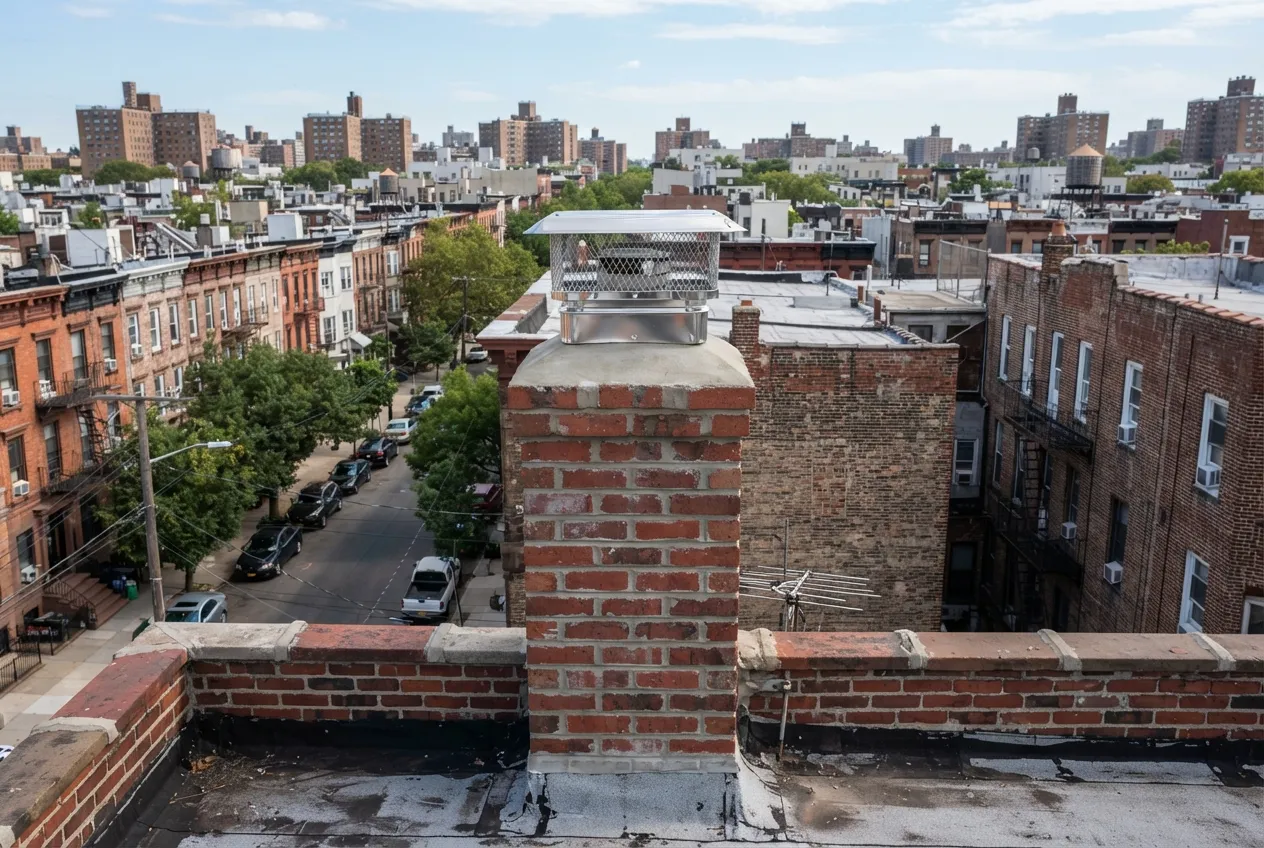
- Crown, cap, flashing and exterior brick where they can be safely viewed
- Clearances between the chimney and nearby wood framing
Choosing the Right Inspection Level
Chimney professionals use three inspection levels, and the right one depends on what has changed in your home.
A Level 1 inspection fits most yearly checkups, when you use the chimney the same way you did last year and nothing about the system has changed. A Level 2 inspection is called for when the system changes. Examples include installing a new appliance, switching fuel, or relining a flue. It is also called for when the home is being sold, which comes up often with Bed-Stuy brownstones changing hands. Level 2 usually includes a camera run through the flue, so we can see the liner's full length. A Level 3 inspection is only needed when a hidden hazard has to be reached by opening part of the chimney or the building. We recommend it only when the earlier levels point to a problem we can't otherwise get to.
Oil-to-Gas Conversions and Boiler Chimneys
Many Bed-Stuy buildings once heated with oil, and many owners are converting to gas. When a New York City building converts its boiler from oil to gas, the chimney has to be evaluated as part of the work. A new liner is often needed, because gas exhaust produces acidic condensate that can corrode a masonry flue over time.
If you are planning a conversion, an inspection before the new boiler goes in tells you and your heating contractor what the flue can handle. It also gives you time to plan for a liner instead of finding out late in the project.
Time for your annual chimney check?
Timing Your Inspection Around Heat Season
New York City's heat season runs from October 1 through May 31. During those months, building owners must keep apartments heated to the city's minimum temperatures. For a multi-family building or a brownstone with rental units, a chimney problem found in January can affect your tenants and your obligations.
Late spring and summer are the easiest times to inspect a boiler chimney and make any repairs before the heat comes on. Fireplace owners benefit from the same timing. An inspection before the first cold snap means you're not waiting on repairs when you want to light a fire.
What You Get After the Visit
After the inspection, we walk you through what we saw. When we've run a camera, we show you the photos or video. We separate items that affect safety from routine maintenance and from things that are simply worth keeping an eye on. If you only need a cleaning, we'll say so.
We also serve homeowners in nearby Crown Heights, Clinton Hill, Fort Greene, Prospect Heights and South Williamsburg. Neighbors with similar houses can expect the same approach.
More services in Bedford-Stuyvesant
- Chimney Sweep in Bedford-Stuyvesant
- Chimney Repair in Bedford-Stuyvesant
- Air Duct Cleaning in Bedford-Stuyvesant
- Chimney Liner Installation in Bedford-Stuyvesant