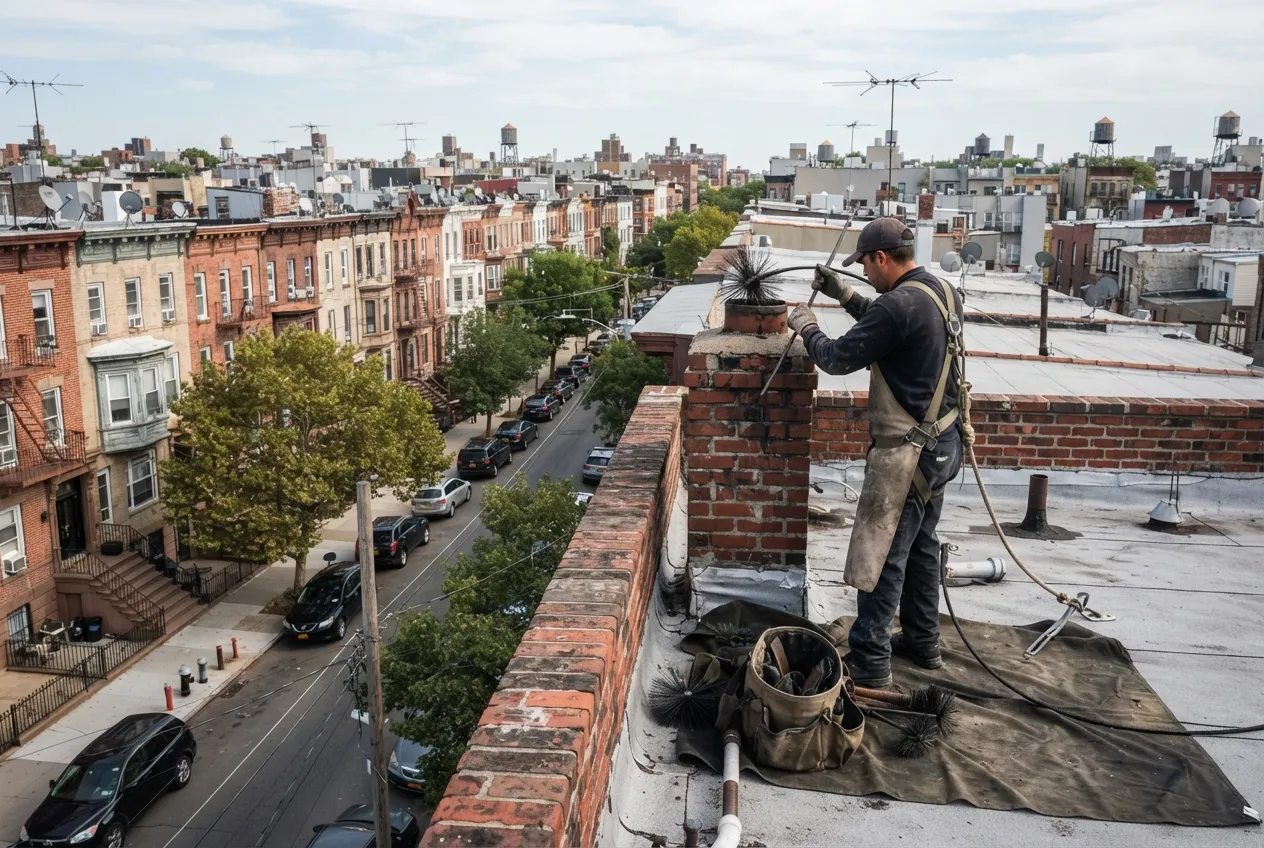
The short answer
Wingate homes should have their chimneys, fireplaces and vents inspected once a year, as the NFPA 211 standard calls for. Our certified technicians recommend a Level 1, 2 or 3 inspection depending on whether anything has changed, such as an oil-to-gas boiler conversion or a home sale.
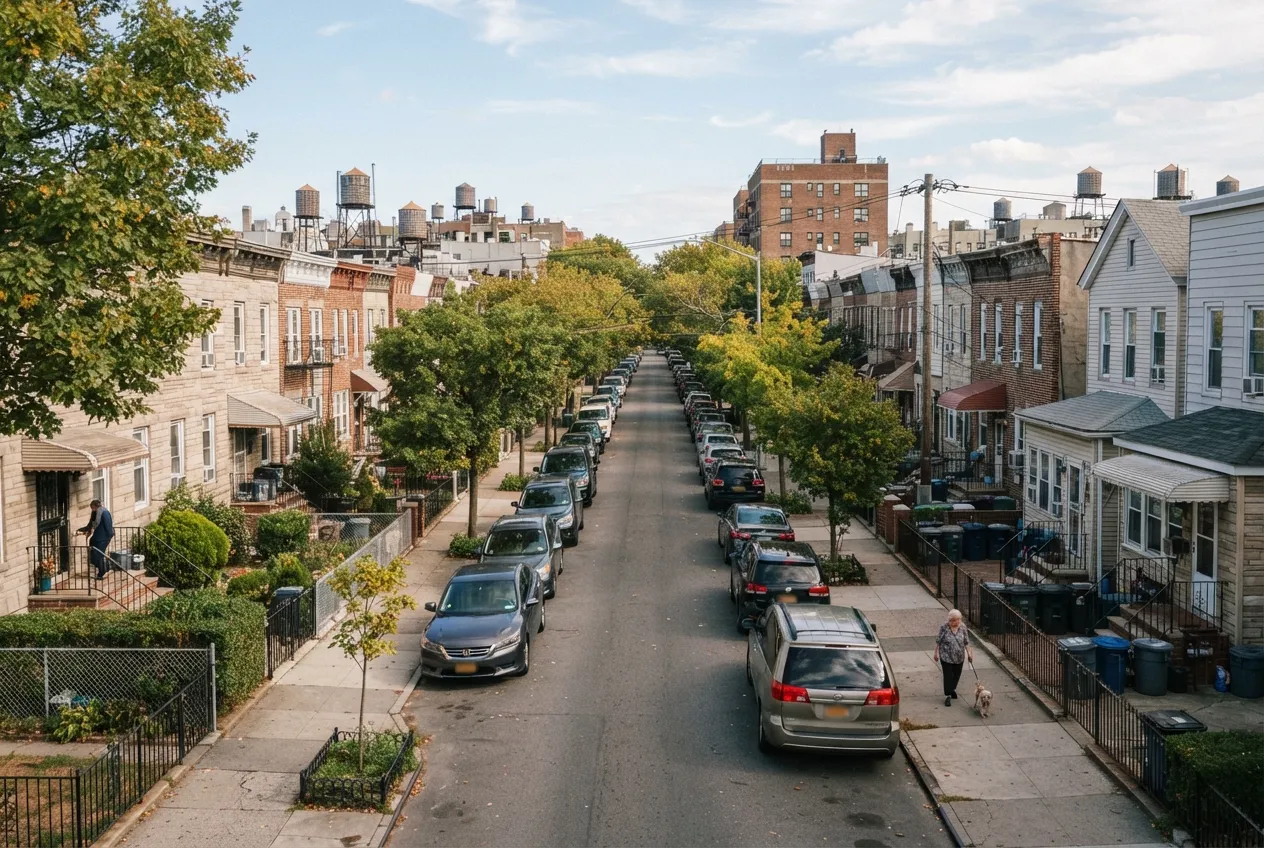
Wingate homeowners rely on their chimneys more than they might think. Even if you never light a fire, the flue in a rowhouse or detached home often carries exhaust from a boiler, furnace or water heater. TrueHearth Chimney Service inspects chimneys, fireplaces and vents throughout Wingate and the 11225 ZIP code from our office in Prospect Heights, about 2 miles away. Our certified technicians look at the whole venting system, explain what they find in plain terms, and tell you which level of inspection your home actually needs.
Why Wingate chimneys should be inspected every year
The NFPA 211 standard calls for chimneys, fireplaces and vents to be inspected once a year. That applies whether you burn wood every weekend or only use the chimney to vent a gas boiler. Problems inside a flue rarely announce themselves. A cracked liner, loose mortar, a blockage from debris or a nest, or corrosion from years of exhaust can all sit out of sight until they cause trouble.
A yearly inspection catches these issues while they are still small and lets you plan repairs instead of reacting to them in the middle of winter. Between inspections, watch for a smoky smell, smoke backing into the room, white staining on exterior brick, or bits of masonry falling into the fireplace.
Choosing the right inspection level
Chimney professionals use three inspection levels. The right one depends on what has happened with your home and heating system since the last check.
We start with the least invasive option that answers the question and only recommend going further when there is a clear reason.
- Level 1: for a chimney in regular use that has not changed. We examine the readily accessible parts of the chimney, fireplace and appliance connections.
- Level 2: when something changes, such as installing a new boiler or water heater or switching fuels, and when the home is being sold.
- Level 3: when a hidden hazard is suspected and the only way to reach it is to open part of the chimney or the building around it.
What we see in Wingate homes
Wingate's housing is a mix of attached rowhouses, detached and semi-detached homes, and pre-war apartment buildings. Many of these chimneys are older masonry flues that were built for one type of heating and now serve different equipment. In attached rowhouses, shared walls mean a chimney problem can matter to the neighbors as well as to you.
Fuel changes are a common reason for a closer look. When a New York City building converts its boiler from oil to gas, the chimney has to be evaluated as part of the work. A new liner is often needed, because gas exhaust produces acidic condensate that can corrode a masonry flue. If you have already converted, or are planning to, we can check whether the existing flue is suited to the new appliance.
Time for your annual chimney check?
What happens during your inspection
A typical visit follows a clear sequence so you know what was checked and why.
If the chimney is in good shape, we tell you that too. You will not be pushed toward work the system does not need.
- We review your setup: fireplace, wood stove, boiler, furnace or water heater, and the fuel each one uses.
- We check the firebox, damper, smoke chamber and visible flue for cracks, gaps, creosote and soot buildup.
- We look at connector pipes and how each appliance ties into the chimney.
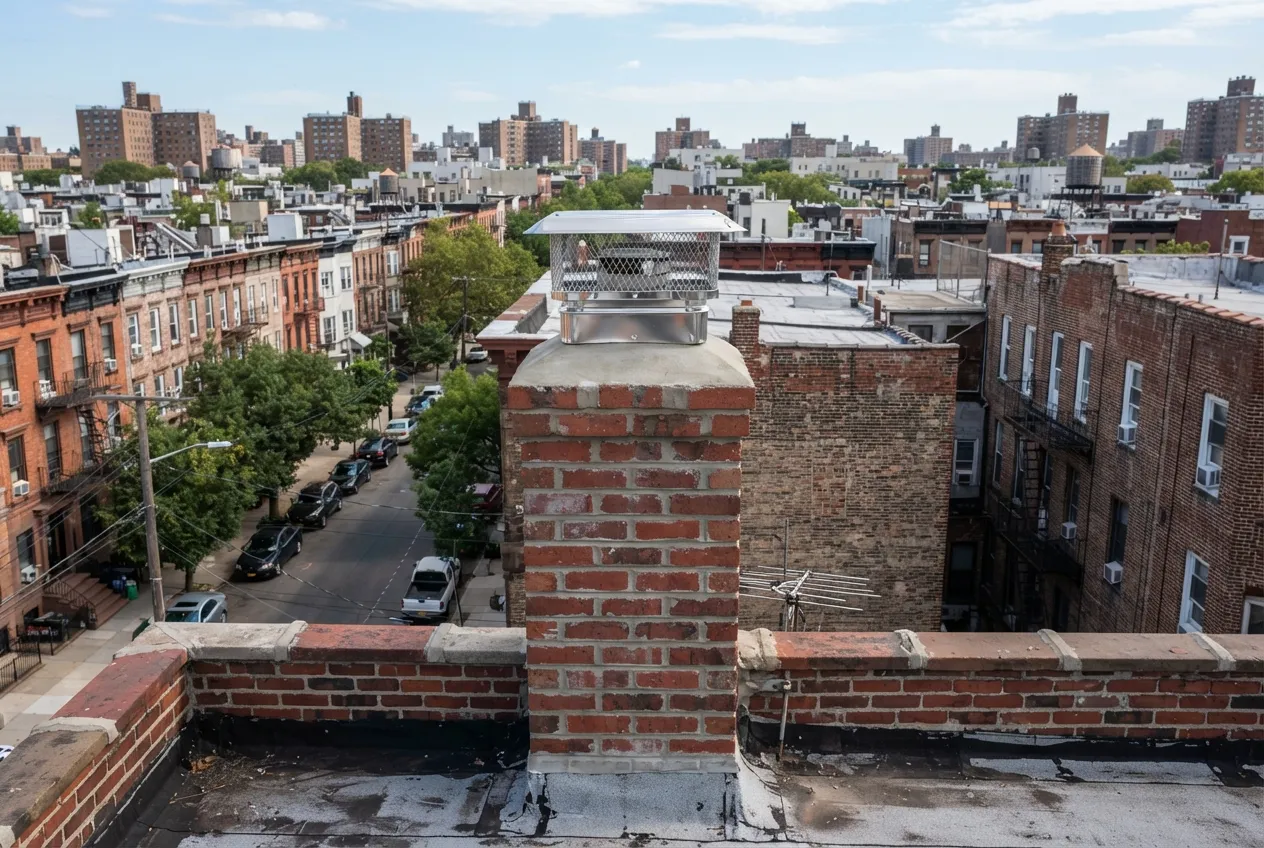
- We examine the exterior where it can be safely reached, including the crown, cap and masonry.
- We go over the findings with you, with photos where they help, and explain any cleaning or repairs that make sense.
Timing your inspection around heat season
New York City's heat season runs from October 1 through May 31, when building owners must keep apartments heated to the city's minimum temperatures. For owners of multi-unit buildings and rowhouses with rental units, an inspection in late summer or early fall leaves time to handle repairs before the boiler has to run steadily. Homeowners who use a fireplace benefit from the same timing.
If an inspection during the season turns up a problem, we explain which issues need attention right away and which can reasonably wait for warmer weather. Besides Wingate, we inspect chimneys in nearby Prospect Lefferts Gardens, Crown Heights, Prospect Heights, Park Slope and Bedford-Stuyvesant.
More services in Wingate
- Chimney Sweep in Wingate
- Chimney Repair in Wingate
- Air Duct Cleaning in Wingate
- Chimney Liner Installation in Wingate