The short answer
If your chimney's clay tiles are cracked or missing, or your building is switching its boiler from oil to gas, a new liner is often needed to vent exhaust safely. TrueHearth inspects the full flue with a camera, then installs a liner sized to your appliance for homes in Prospect Lefferts Gardens and nearby neighborhoods.
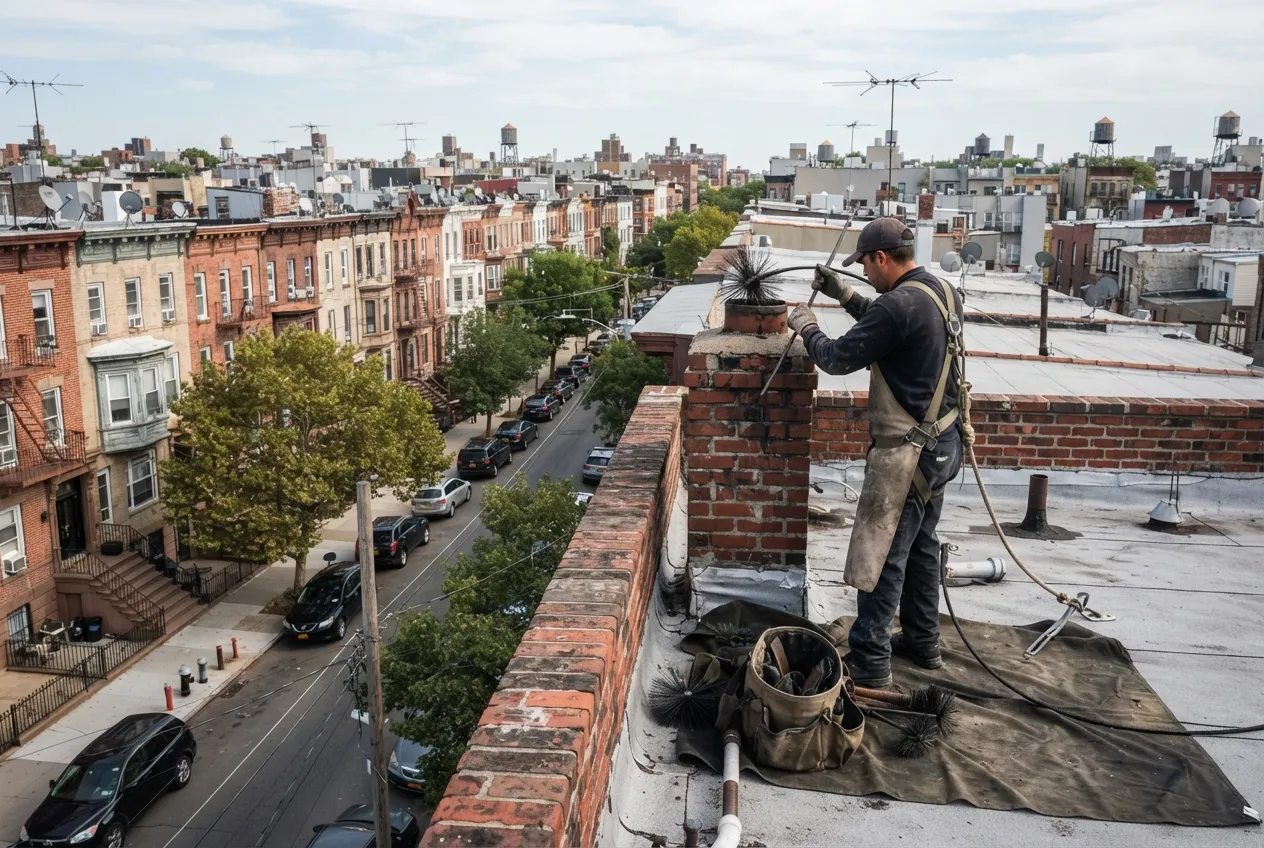
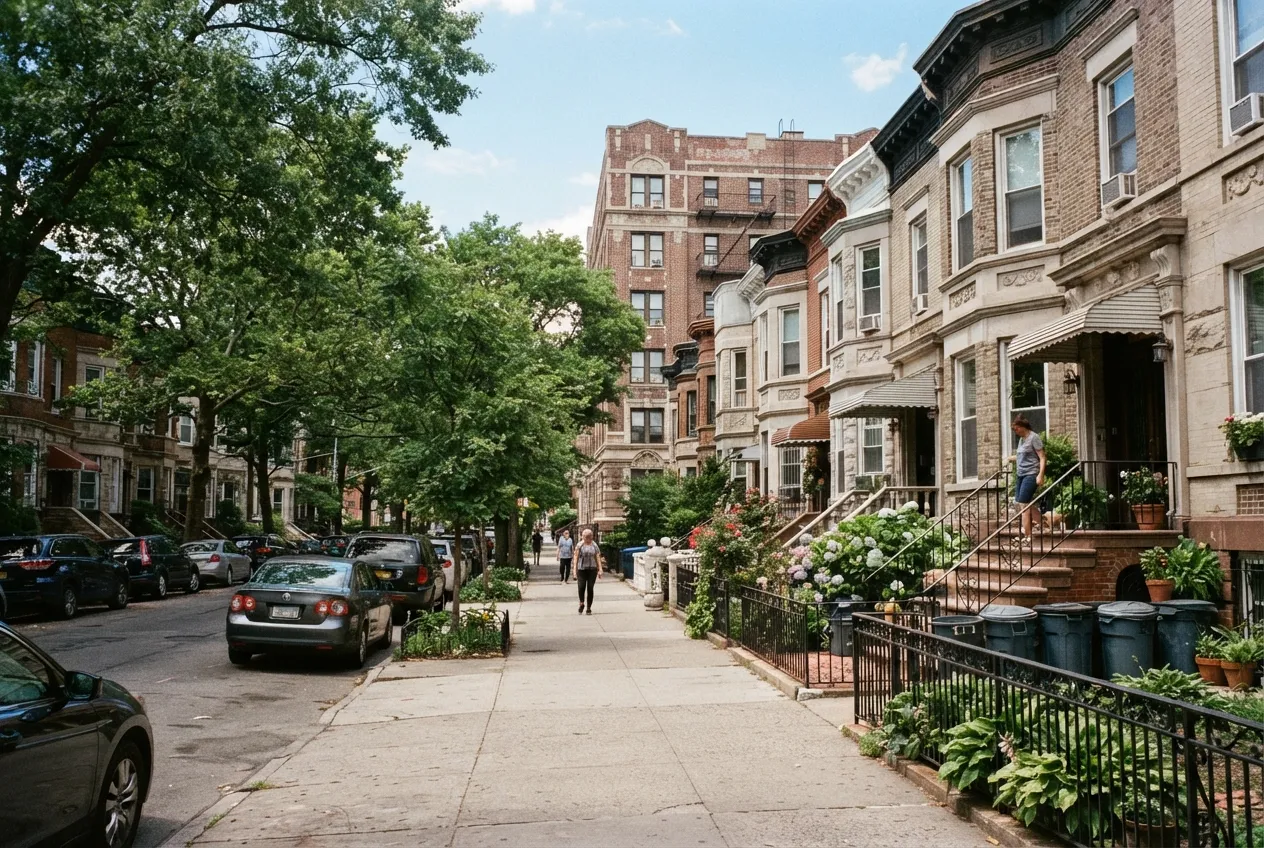
Many chimneys in Prospect Lefferts Gardens were built long before today's boilers, water heaters and fireplace inserts. They run through brick rowhouses, brownstones, pre-war apartment buildings and detached homes, often with aging clay tile flues or no liner at all. TrueHearth Chimney Service installs chimney liners for homes and buildings in ZIP code 11225 from our office in Prospect Heights, about two miles to the northwest. This page explains when a liner is needed, how we choose the right one, and what the work involves.
Why Older Flues in the Neighborhood Often Need a Liner
A liner is the inner channel that carries smoke and exhaust up and out of the chimney. It keeps heat away from the surrounding brick and wood framing, gives exhaust a smooth path so the appliance drafts properly, and protects the masonry from moisture and corrosive byproducts. In older masonry chimneys, original clay tiles can crack, separate at the joints or be missing entirely, and mortar can wash out over decades of use.
The damage is not always visible from the fireplace or the basement. A flue can look fine at the bottom while the upper sections are broken. That is why we examine the full length of the flue before recommending a liner instead of guessing from the outside.
Oil-to-Gas Conversions and Your Chimney
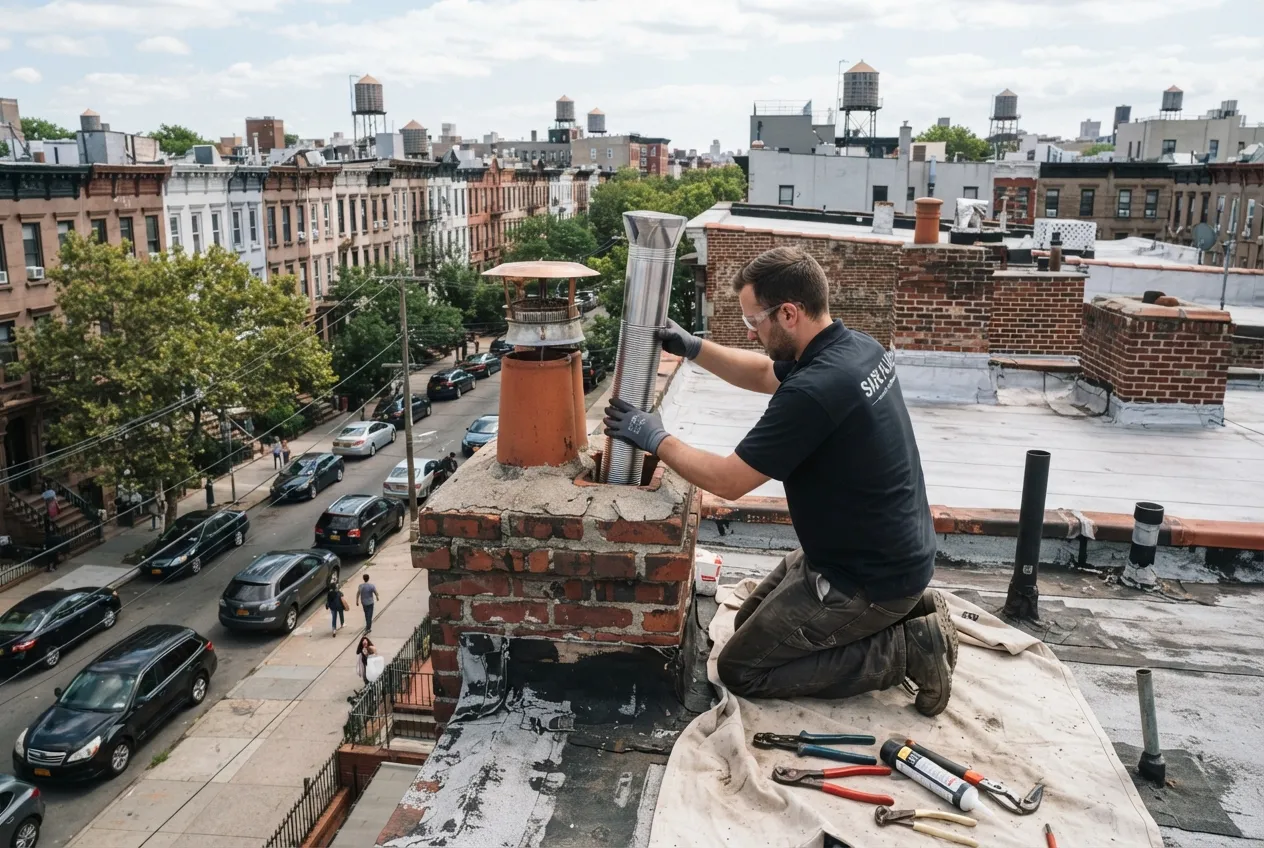
Many Brooklyn buildings have switched or are planning to switch their boilers from oil to gas. In New York City, the chimney has to be evaluated as part of that conversion. A new liner is often needed, because gas exhaust produces acidic condensate that can corrode a masonry flue built for oil.
If you are planning a conversion, bring us in early, while your heating contractor is still scoping the job. That way the liner can be sized for the new appliance and scheduled alongside the boiler work instead of holding it up at the end.
How We Evaluate a Flue Before Lining It
The NFPA 211 standard calls for chimneys, fireplaces and vents to be inspected once a year and describes three inspection levels. A change of fuel or a new appliance calls for a Level 2 inspection, which is the usual starting point for liner work. Level 2 is also used when a home is sold. If a hidden problem can only be reached by opening part of the chimney or wall, that is a Level 3 inspection.
During a Level 2 inspection, our certified technicians run a camera through the flue to check the tiles, joints and any existing liner. We then go over what we found and which type of liner fits your appliance and chimney, such as:
- Stainless steel liners, commonly used for gas and oil boilers, water heaters and wood-burning inserts
- Liners sized to the appliance's output so the system drafts correctly
- Insulation where needed to keep exhaust warm and reduce condensation
- Caps and top plates to keep out rain, debris and animals
Time for your annual chimney check?
What Installation Day Looks Like
Most liner jobs are done from the roof. The liner is lowered down the flue, connected to the appliance at the bottom, then sealed and capped at the top. In attached rowhouses and brownstones, roof access and protecting shared walls and neighboring roofs are part of the planning, so we confirm access before the work date.
- We cover floors and the area around the fireplace or boiler room
- We clean the flue before installing the liner so it fits properly
- We connect the appliance venting and check that it drafts once the liner is in
- We walk you through the finished work, including photos of the flue
Planning Liner Work Around Heat Season
New York City's heat season runs from October 1 through May 31, when building owners must keep apartments heated to the city's minimum temperatures. For owners of multi-unit buildings, a liner job that takes the boiler offline needs careful timing. Late spring and summer are usually the easiest time for this work, but if an inspection turns up a problem in winter, we plan the job to keep heating downtime as short as possible.
Serving Prospect Lefferts Gardens and Nearby Neighborhoods
We work throughout Prospect Lefferts Gardens and the surrounding area, including Wingate, Crown Heights, Prospect Heights, Park Slope and Bedford-Stuyvesant. Whether you own a single-family house or manage a pre-war apartment building, we can inspect your chimney and explain your liner options in plain terms.
More services in Prospect Lefferts Gardens
- Chimney Sweep in Prospect Lefferts Gardens
- Chimney Inspection in Prospect Lefferts Gardens
- Chimney Repair in Prospect Lefferts Gardens
- Air Duct Cleaning in Prospect Lefferts Gardens