The short answer
Chimneys in Prospect Lefferts Gardens should be inspected once a year, as the NFPA 211 standard calls for. They also need a closer inspection whenever you change appliances or fuel or sell the home. TrueHearth's certified technicians inspect rowhouse, brownstone and apartment-building chimneys across 11225 and tell you clearly what needs attention.
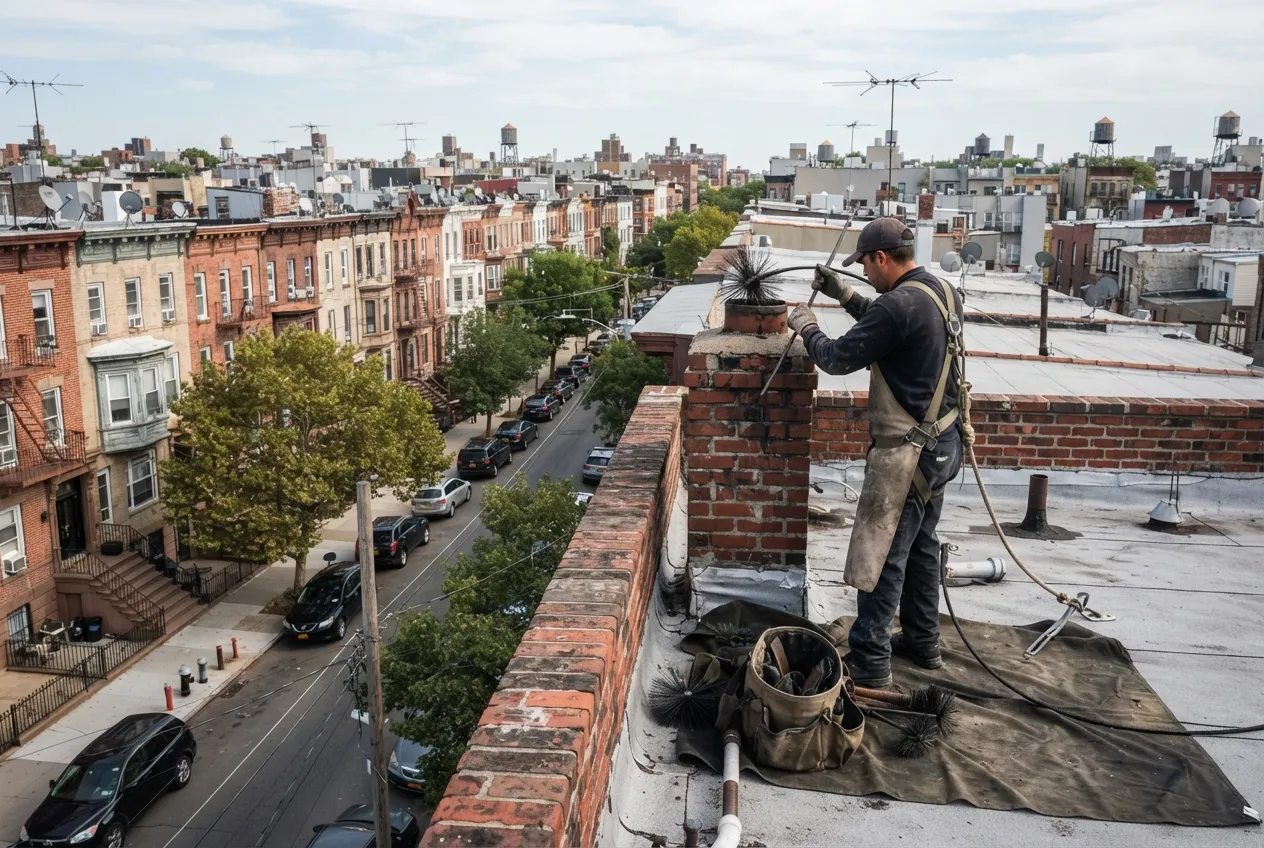
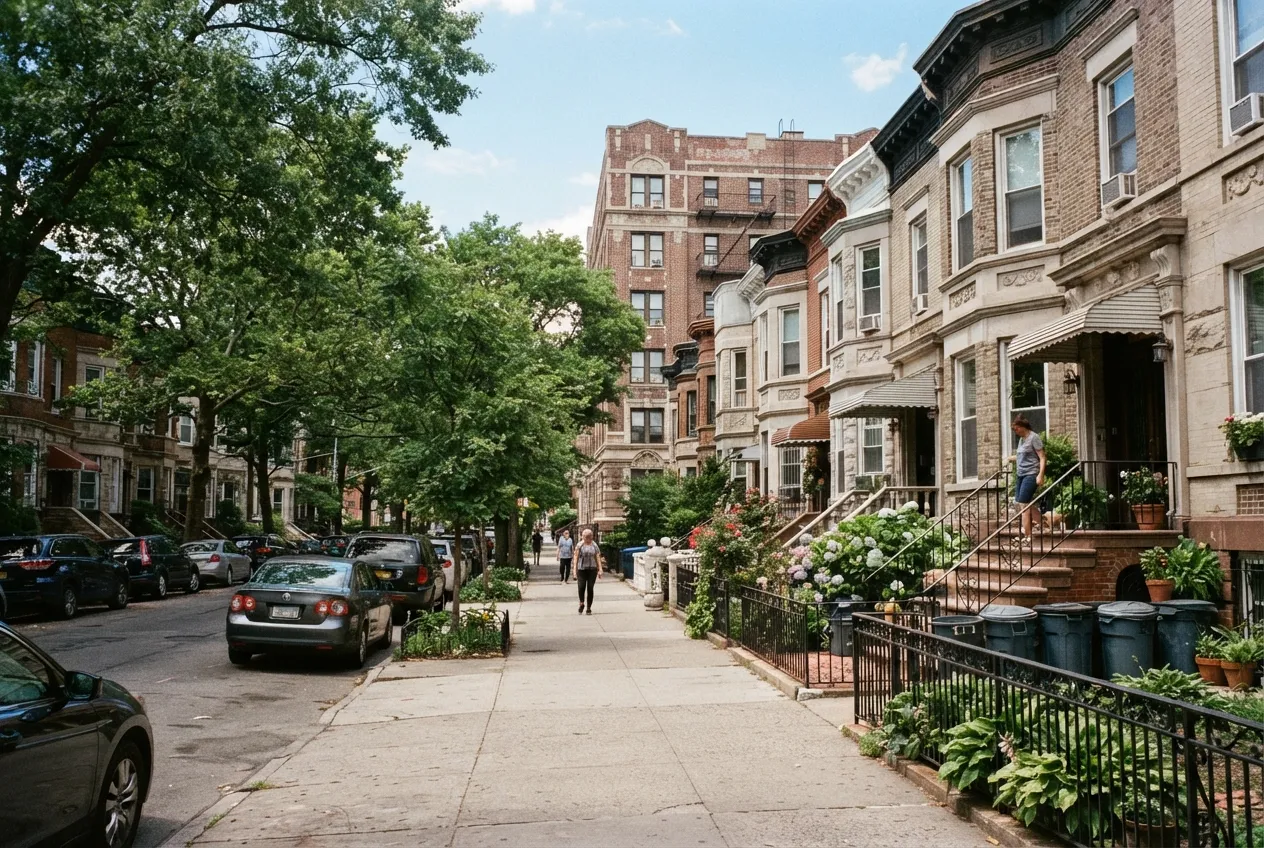
Prospect Lefferts Gardens has a mix of rowhouses, brownstones, pre-war apartment buildings and some detached homes. Many of them have brick chimneys that have served fireplaces, boilers and water heaters for a long time. TrueHearth Chimney Service inspects chimneys across ZIP code 11225 from our office in Prospect Heights, about 2 miles away. Our certified technicians check the whole system: firebox, damper, smoke chamber, flue, liner, crown and cap. Then we explain what we found in plain terms, so you know whether your chimney is ready to use and what needs attention.
Why Yearly Inspections Matter for Older Brooklyn Chimneys
The NFPA 211 standard calls for chimneys, fireplaces and vents to be inspected once a year. That schedule fits the housing in Prospect Lefferts Gardens well. Many brick chimneys here have been through decades of Brooklyn winters. Water that gets into mortar joints or a cracked crown can loosen masonry from the inside long before anything shows from the street.
A yearly inspection also catches problems that have nothing to do with age. These include creosote buildup from regular fireplace use, nests or debris blocking a flue, a damper that no longer seals, and a missing cap. In attached rowhouses and brownstones, chimneys often sit close to neighboring walls and roof lines, so finding a gap or crack early is better for everyone on the block.
Choosing the Right Inspection Level
Chimney professionals use three inspection levels. We recommend the one that fits your situation, not the most involved one by default.
If you're buying or selling a house in the neighborhood, a Level 2 inspection gives both sides a clear picture of the chimney's condition before closing.
- Level 1: For a chimney whose use and connected appliances haven't changed. We check the readily accessible parts of the chimney and the fireplace or appliance connection, and we look for blockages and buildup.
- Level 2: For when something changes, such as a new boiler or stove or a switch of fuel, or when the home is being sold. This adds a closer look at the flue interior, usually with a camera, plus accessible attic, basement and roof areas.
- Level 3: For when there's reason to suspect a hidden hazard that can only be reached by opening part of the chimney or the building. This is uncommon, and we explain why before recommending it.
Oil-to-Gas Conversions in Pre-War Buildings
Many older Brooklyn buildings, including pre-war apartment buildings and larger brownstones, have heated with oil for years. When a New York City building converts its boiler from oil to gas, the chimney has to be evaluated as part of the work.
A new liner is often needed, because gas exhaust produces acidic condensate that can corrode a masonry flue. A flue that worked for oil may not hold up once gas exhaust runs through it. We inspect the flue, report on its condition and size, and tell you whether a liner is likely needed. That way you and your heating contractor can plan the conversion with fewer surprises.
Time for your annual chimney check?
Planning Around Heat Season
New York City's heat season runs from October 1 through May 31. During that time, building owners must keep apartments heated to the city's minimum temperatures. For landlords and co-op boards in Prospect Lefferts Gardens, summer and early fall are the practical window for inspecting boiler chimneys, because any repair is easier to schedule before the boiler has to run.
Homeowners with wood-burning fireplaces benefit from the same timing. An inspection before the first fire of the season leaves time to clean or repair before you need the fireplace. If the season has already started, we can still inspect. We just plan the visit around your heating needs.
What to Expect at Your Appointment
Most inspections are straightforward. Here's what happens during the visit.
- We protect the floor and furniture around the fireplace or boiler area before starting.
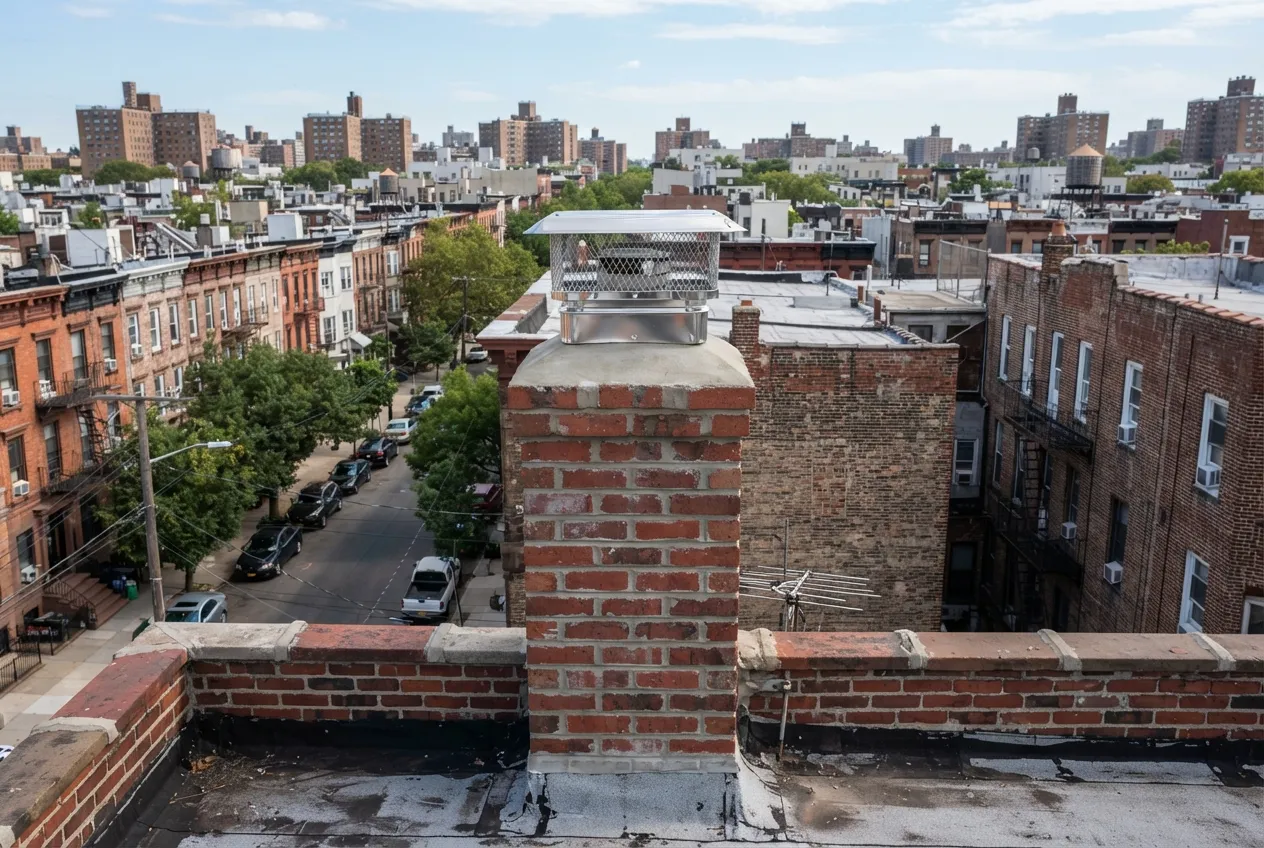
- We check the firebox, damper, smoke chamber and flue from inside, and the crown, cap, flashing and brickwork from outside where it's safe to reach.
- We look at how each appliance connects to the chimney and whether the flue suits what's venting into it.
- You get a written summary with photos that shows what we found and separates urgent items from ones to keep an eye on.
More services in Prospect Lefferts Gardens
- Chimney Sweep in Prospect Lefferts Gardens
- Chimney Repair in Prospect Lefferts Gardens
- Air Duct Cleaning in Prospect Lefferts Gardens
- Chimney Liner Installation in Prospect Lefferts Gardens