The short answer
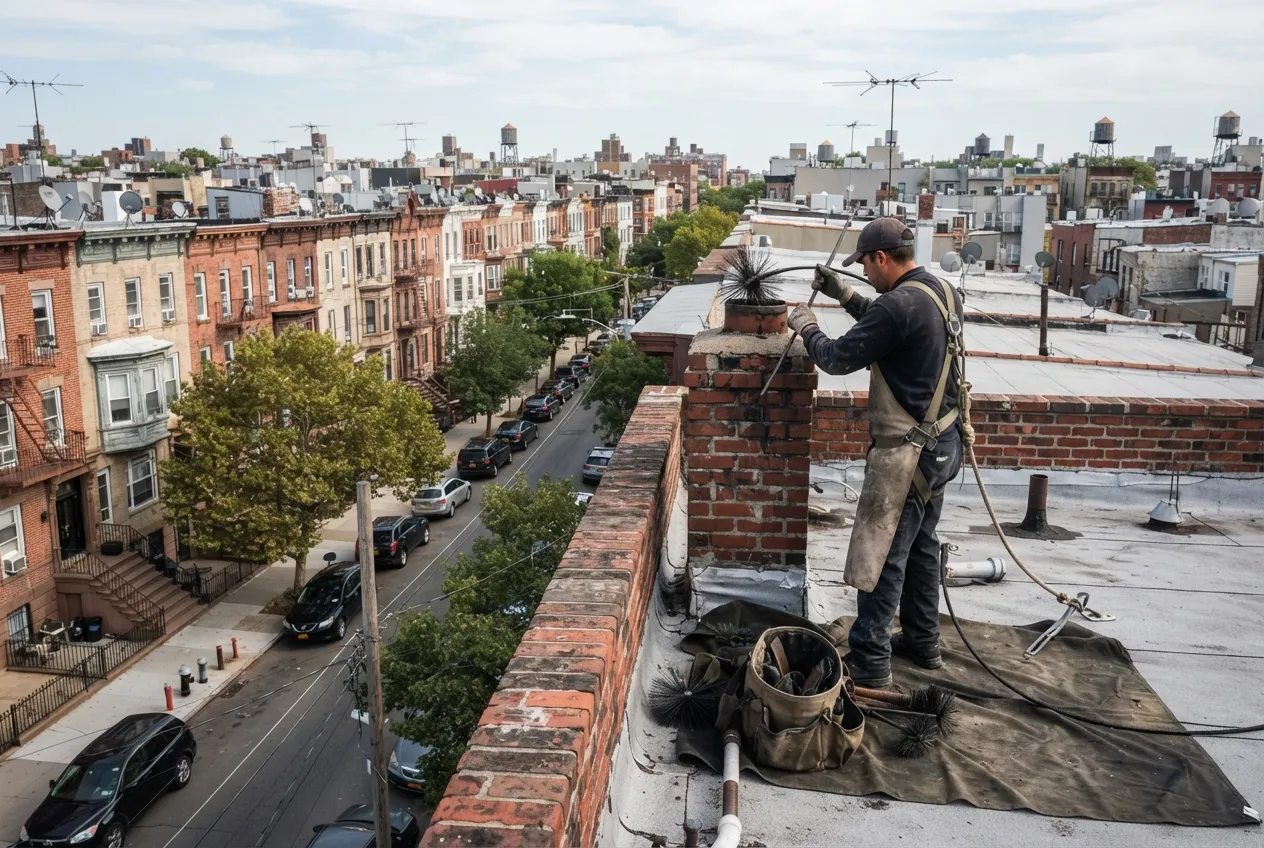
Yes, TrueHearth Chimney Service serves Williamsburg, Brooklyn, about 2 miles from our Prospect Heights office. Our certified technicians handle chimney sweeping, inspections, repairs, liners, waterproofing, and dryer vent and air duct cleaning for the neighborhood's rowhouses, brownstones and pre-war buildings.
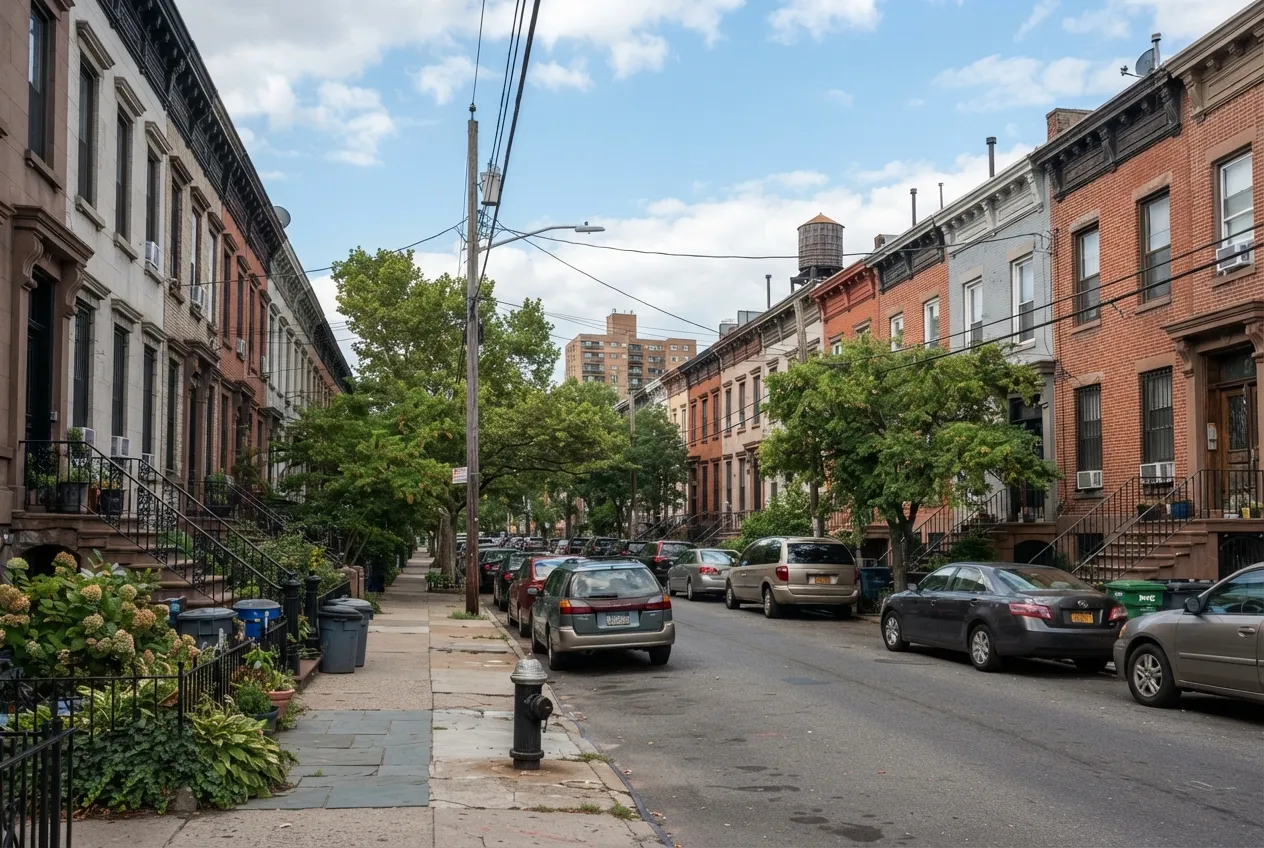
TrueHearth Chimney Service works throughout Williamsburg, Brooklyn, about 2 miles north of our office in Prospect Heights. That short distance makes it easy for us to reach the neighborhood's rowhouses, brownstones, pre-war apartment buildings and small multifamily homes. Our certified technicians sweep and inspect chimneys, repair masonry, install liners, and clean dryer vents and air ducts. Some customers heat with a gas boiler, some burn wood in a fireplace on cold nights, and some just need the laundry vent cleared. In every case, we start by looking at what you have, then explain what we found in plain terms before recommending any work.
What Williamsburg's Climate and Buildings Do to a Chimney
Much of Williamsburg's housing is older masonry, and Brooklyn weather is hard on brick and mortar. Winters bring repeated freeze-thaw cycles. Water soaks into porous brick or cracked mortar joints, freezes, expands and pushes the masonry apart a little more each time. Humid summers and heavy rain from coastal storms keep that moisture coming, so small cracks rarely stay small.
Heating equipment also gets heavy use here. New York City's heat season runs from October 1 through May 31, and building owners must keep apartments at the city's minimum temperatures for that whole stretch. A boiler flue that runs for eight months a year collects soot and wears its lining faster than one used only now and then. That's why fall and early spring are good times to have the system checked.
Chimney, Vent and Duct Services We Offer in Williamsburg
We handle most chimney and venting work in one visit, or we schedule the follow-up repair when it needs its own appointment.
- Chimney Sweep: removing soot, creosote and debris from fireplace and appliance flues
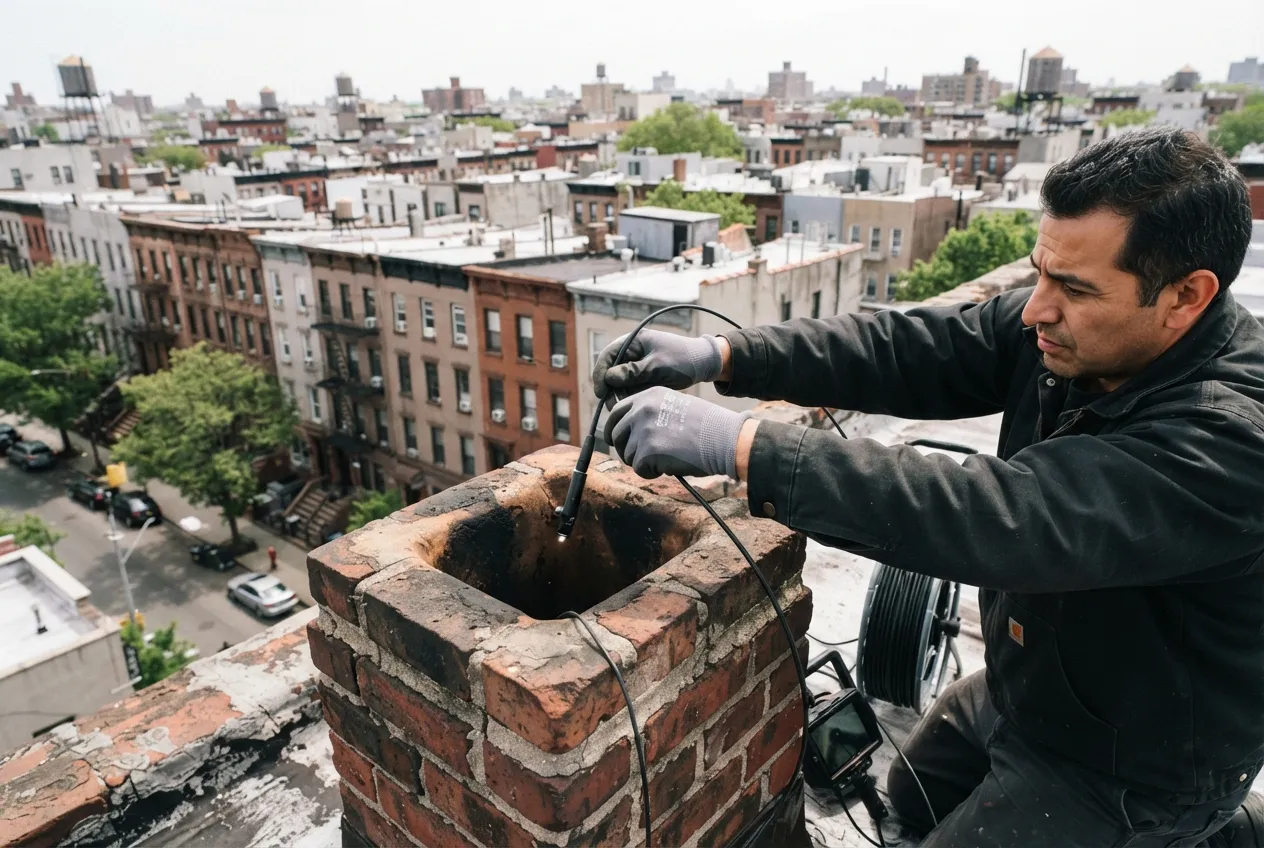
- Chimney Inspection: yearly checks and deeper evaluations when something has changed
- Chimney Repair: repointing mortar joints, fixing cracked crowns and replacing damaged brick
- Chimney Liner Installation: new liners for gas conversions, damaged flues and new appliances
- Chimney Cap & Chase Cover: keeping out rain, birds and squirrels
- Chimney Waterproofing: vapor-permeable sealants that shed water and still let the masonry breathe
- Fireplace & Damper Repair: fixing stuck, rusted or poorly sealing dampers and worn firebox masonry
- Chimney Rebuilding: taking down and relaying chimneys too deteriorated to repair
- Dryer Vent Cleaning: clearing lint from the duct run all the way to the exterior
- Air Duct Cleaning: cleaning supply and return ducts when there's a clear reason to
Oil-to-Gas Conversions and Chimney Liners
Many older Brooklyn buildings have moved, or are planning to move, from oil heat to gas. When a New York City building converts its boiler from oil to gas, the chimney has to be evaluated as part of that work. A new liner is often needed. Gas exhaust produces acidic condensate, and over time it can corrode a masonry flue that was never built to handle it.
If you're planning a conversion, bring us in early. We'll inspect the flue, tell you whether the existing lining can stay, and size a new liner for the appliance if one is needed.
Time for your annual chimney check?
How Our Chimney Inspections Work
The NFPA 211 standard calls for chimneys, fireplaces and vents to be inspected once a year. Chimney professionals use three inspection levels. Level 1 applies when nothing about the system has changed. Level 2 applies when something has changed, such as a new appliance or a switch of fuel, or when the home is being sold. Level 3 applies when a hidden hazard can only be reached by opening part of the chimney or building.
Most Williamsburg homeowners need a Level 1 inspection each year. If you're buying or selling a rowhouse or converting fuel, a Level 2 is the appropriate step.
Dryer Vents and Air Ducts
Dryer vents in older buildings often run long, bend several times or pass through tight spaces, and all of that lets lint build up. According to the U.S. Fire Administration, failure to clean is the leading factor contributing to clothes dryer fires in homes. If your dryer takes longer than it used to or the laundry area feels hot, have the vent checked.
For air ducts, we follow the U.S. EPA's guidance. Cleaning makes sense when there's substantial visible mold growth, signs of vermin, or excessive dust and debris. The EPA notes that duct cleaning hasn't been shown to prevent health problems, so we won't promise that it will. We also don't apply chemical treatments unless there's a real reason and you understand what's being used.
Neighborhoods Near Williamsburg We Also Serve
Beyond Williamsburg, we regularly work in South Williamsburg, Clinton Hill, Fort Greene, Downtown Brooklyn and DUMBO, all close to our Prospect Heights base. The housing across these neighborhoods is similar: brownstones, rowhouses and pre-war buildings with masonry chimneys that face the same Brooklyn weather.