The short answer
TrueHearth Chimney Service handles chimney sweeping, inspection, repair, liners, dryer vent cleaning and air duct cleaning in East Williamsburg, Brooklyn (11206 and 11211). Because Brooklyn winters bring repeated freezing and thawing and the city's heat season starts October 1, the best time to have your chimney and venting checked is late summer or early fall.
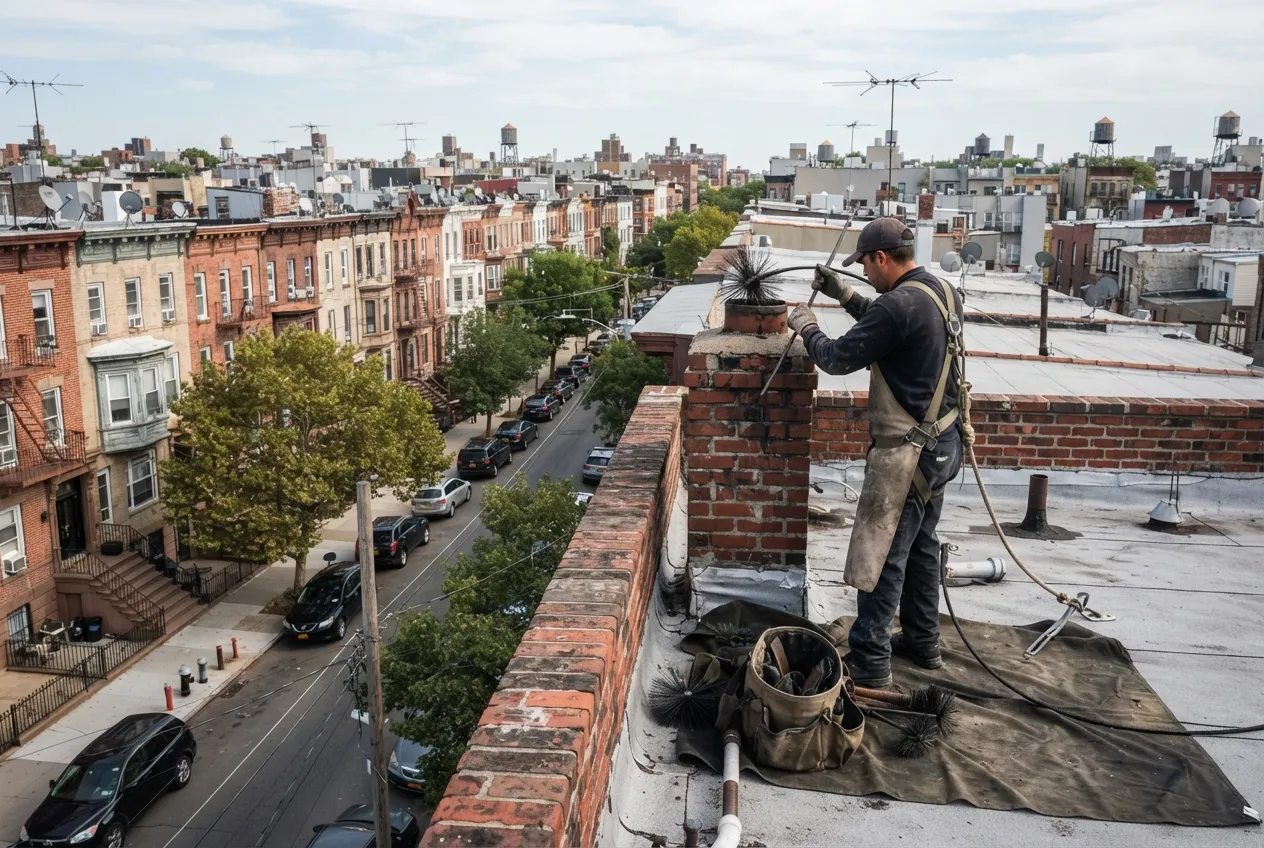
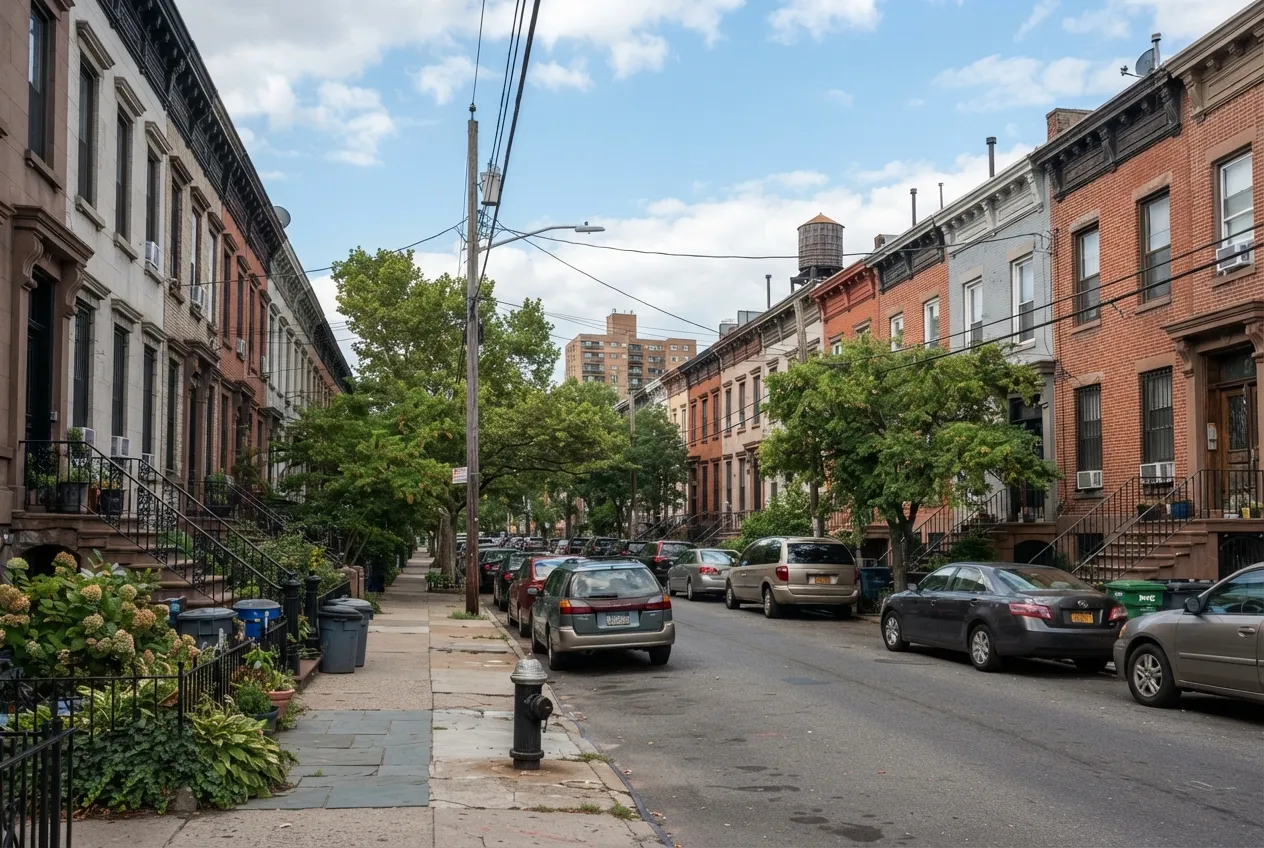
East Williamsburg is about three miles northeast of our Prospect Heights office, and we work throughout the neighborhood's 11206 and 11211 ZIP codes. Our certified technicians clean, inspect and repair chimneys, liners, dryer vents and air ducts in the area's rowhouses, pre-war apartment buildings, converted multi-family homes and occasional detached houses. Many of these buildings have masonry flues that were built for coal or oil and now vent gas boilers, serve a wood-burning fireplace, or sit unused. We look at what you actually have, explain what it needs in plain terms, and leave the work area clean.
Services We Offer in East Williamsburg
We handle chimney and venting work from routine cleaning to a full rebuild. If you're not sure which service fits your situation, start with an inspection and we'll walk you through what we find.
- Chimney Sweep: removal of soot and creosote from fireplace and appliance flues
- Chimney Inspection: a yearly check of the flue, masonry, damper and connections
- Chimney Repair: crown, mortar joint and brick repairs on aging masonry
- Chimney Liner Installation: new liners for gas conversions and damaged flues
- Chimney Cap & Chase Cover: keeps out rain, animals and debris
- Chimney Waterproofing: a breathable water repellent for exposed brick
- Fireplace & Damper Repair: dampers that stick, warp or won't seal
- Chimney Rebuilding: for stacks that are leaning, loose or badly deteriorated
- Dryer Vent Cleaning: lint removal from the dryer to the exterior termination
- Air Duct Cleaning: for ducts with mold, pests or heavy dust buildup
How Brooklyn Weather Wears Down a Chimney
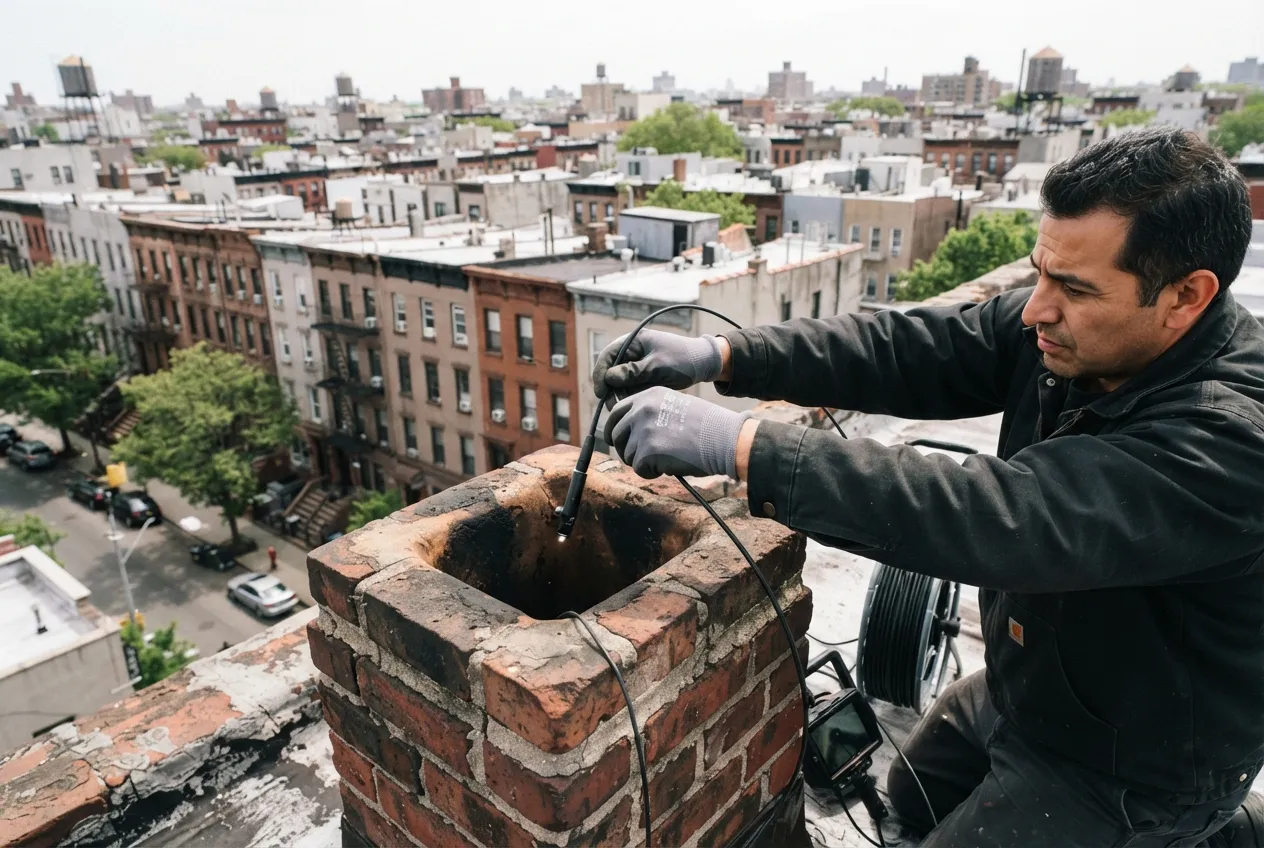
Winters in Brooklyn swing above and below freezing again and again. When water soaks into brick, mortar or a cracked chimney crown and then freezes, it expands and pushes the masonry apart. After a few seasons you may see crumbling joints, flaking brick faces or white mineral staining on the exterior.
Nor'easters and wind-driven rain push water sideways into rooftop chimneys, and humid summers keep moisture inside the flue. On a rowhouse or apartment building, a chimney is often the tallest exposed part of the roof, so it takes the most weather. A well-fitted cap, a sound crown and a breathable waterproofing treatment go a long way toward slowing that damage. Missing caps also let in birds and squirrels looking for shelter in the cold months.
Oil-to-Gas Conversions and Chimney Liners
Many older East Williamsburg buildings started with oil-fired boilers. When a New York City building converts its boiler from oil to gas, the chimney has to be evaluated as part of the work. A new liner is often needed, because gas exhaust produces acidic condensate that can corrode an unlined or worn masonry flue from the inside.
If you're planning a conversion, or already finished one without having the chimney looked at, we can inspect the flue and recommend a liner sized for your appliance. Signs of trouble include crumbling material collecting at the base of the chimney, damp or stained interior walls near the flue, and rust on the boiler's vent connector.
Time for your annual chimney check?
Plan Ahead of Heat Season
New York City's heat season runs from October 1 through May 31, and building owners must keep apartments heated to the city's minimum temperatures during that time. A blocked flue or failed liner in the middle of winter can force a boiler shutdown when tenants need heat most.
The NFPA 211 standard calls for chimneys, fireplaces and vents to be inspected once a year. A Level 1 inspection fits when nothing has changed. A Level 2 inspection applies when the system changes, such as a new appliance or a switch of fuel, or when the home is sold. A Level 3 inspection is used when a hidden hazard has to be reached by opening part of the chimney or building. Booking in late summer or early fall leaves time for any repairs before October.
Dryer Vents and Air Ducts
According to the U.S. Fire Administration, failure to clean is the leading factor contributing to clothes dryer fires in homes. In apartments and rowhouses, dryer vents often run long distances or through tight spaces, so lint builds up faster. If clothes take more than one cycle to dry or the laundry area feels unusually hot, the vent likely needs cleaning.
For air ducts, we follow the U.S. EPA's guidance: cleaning makes sense when there is substantial visible mold, signs of vermin, or excessive dust and debris. The EPA notes that duct cleaning hasn't been shown to prevent health problems, so we won't promise that. We'll also discuss any chemical treatment with you before using it, and only when there's a clear reason.
ZIP codes we serve
- 11206
- 11211