The short answer
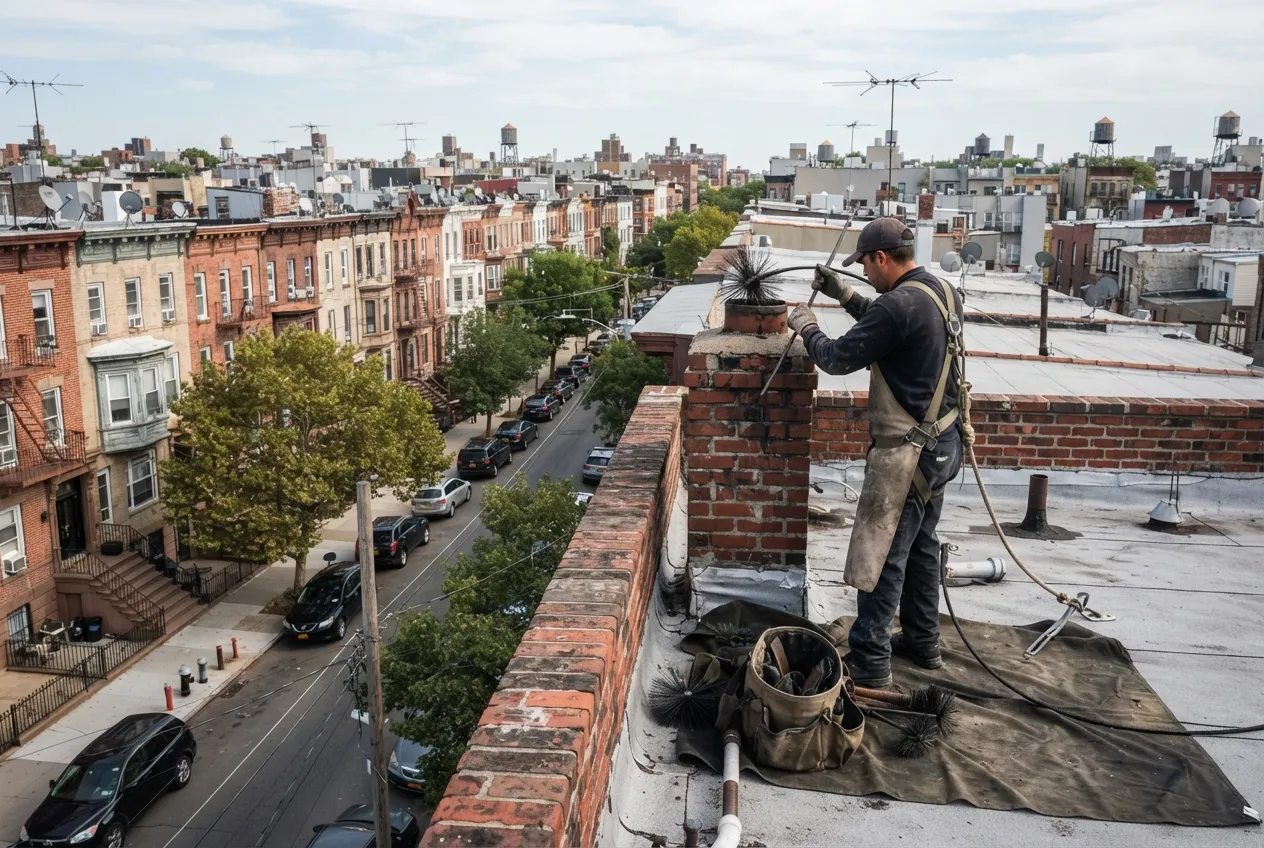
A chimney inspection checks the flue, liner, masonry, and connections so your fireplace or heating appliance can vent safely. The NFPA 211 standard calls for a yearly inspection. A Level 2 inspection is called for when you switch fuels, add a new appliance, or buy or sell a home.
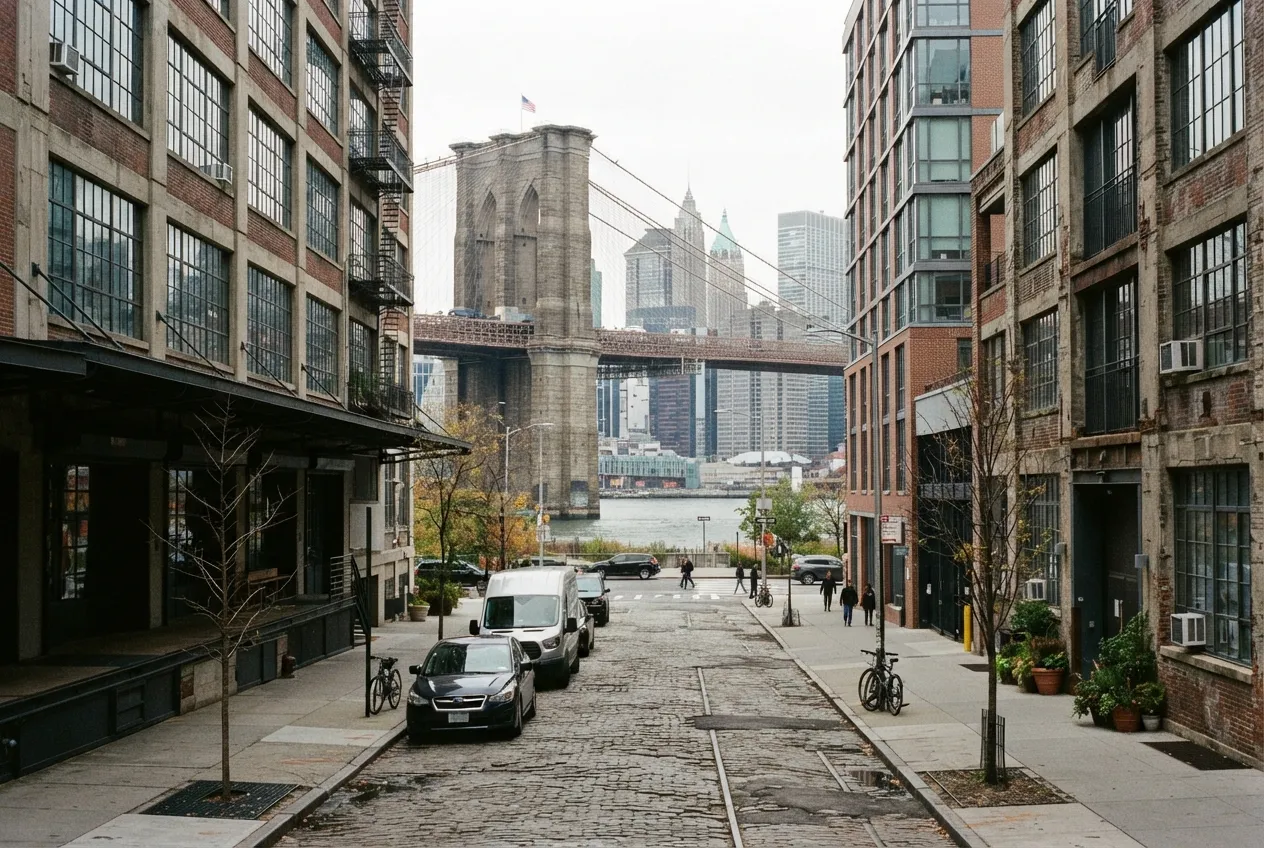
DUMBO's housing mixes converted loft and warehouse buildings, pre-war apartment buildings, and a smaller number of rowhouses near the neighborhood's edges. Many of these buildings have a working fireplace, a boiler or water heater vented through a masonry chimney, or both. A chimney that has been altered, unused, or connected to new equipment can hide cracks, gaps, and blockages that no one in the building can see. TrueHearth's certified technicians inspect chimneys and flues in DUMBO (ZIP 11201), working out of our Prospect Heights office about two miles to the southeast. We tell you what we found, show you what we saw, and explain what it means for your home.
What a Chimney Inspection Covers
The NFPA 211 standard calls for chimneys, fireplaces, and vents to be inspected once a year. Chimney professionals use three inspection levels. The level we recommend depends on what has changed in your system since it was last checked.
A Level 1 inspection fits a system that hasn't changed. We check the parts we can reach: the firebox, damper, smoke chamber, and the visible flue. We look for soot or creosote buildup and anything blocking the flue.
- Level 1: a yearly check of the accessible parts of a system that hasn't changed
- Level 2: called for after a new appliance, a switch of fuel, or a home sale, and usually includes a camera scan of the flue
- Level 3: used when a hidden hazard can only be reached by opening part of the chimney or the building
Chimneys in DUMBO's Older and Converted Buildings
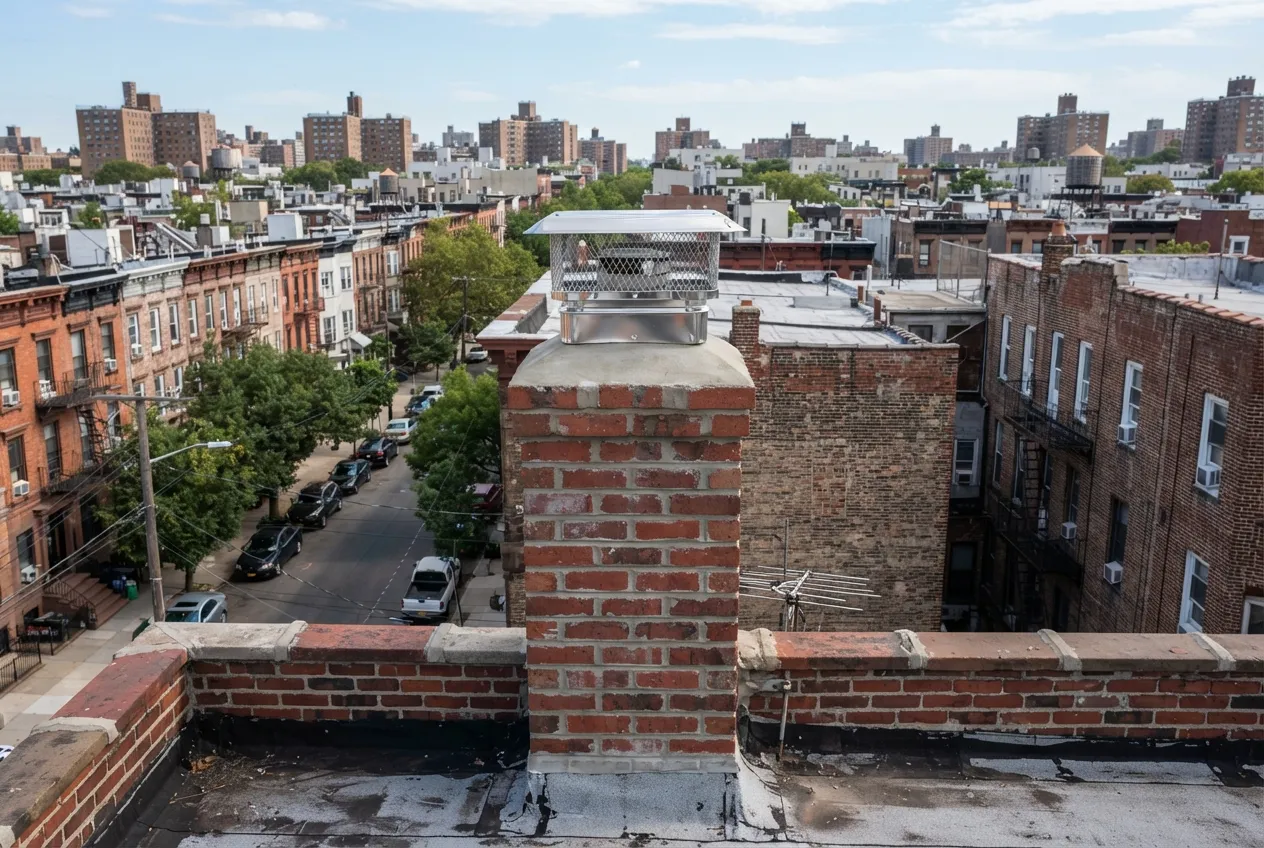
Many DUMBO buildings were built for one purpose and later converted to homes. Over the years, chimneys in these buildings may have been shortened, rerouted, sealed off, or reconnected. A fireplace that looks original may vent into a flue that was changed decades ago. A boiler flue may share masonry with spaces you don't control.
On older masonry, we look for cracked or missing flue tiles, eroded mortar joints, and gaps where the liner meets the smoke chamber. We also check whether the appliance connector is the right size for the flue. In rowhouses and smaller buildings, we check the crown and flashing for water getting in, since moisture speeds up masonry damage over the winter.
Oil-to-Gas Conversions and Chimney Liners
When a New York City building converts its boiler from oil to gas, the chimney must be evaluated as part of the work. A new liner is often needed. Gas exhaust produces acidic condensate, and that condensate can corrode a masonry flue that was built for oil.
If your building is planning a conversion, or has finished one without a chimney evaluation, a Level 2 inspection shows the condition of the existing flue. It also tells you whether a liner is likely needed. We document what we find so the building owner or board can plan the work.
Time for your annual chimney check?
When to Schedule in DUMBO
New York City's heat season runs from October 1 through May 31. During that period, building owners must keep apartments heated to the city's minimum temperatures. Problems found mid-season can be hard to fix without interrupting heat, so late summer and early fall are the most practical times for boiler flue inspections.
For fireplaces, it makes sense to inspect before your first fire of the season. You should also schedule an inspection if you notice any of these signs:
- Smoke coming back into the room
- Strong odors from the fireplace in humid weather
- Water stains near the chimney
- Bits of tile or masonry in the firebox
- Any change to the heating equipment
What to Expect During the Visit
Our technician will ask what you use the chimney for and whether anything has changed. Then we inspect the system at the level it needs. We protect floors and furnishings around the work area. Afterward, we walk you through our findings and give you a written summary with photos where they help. If we see something that calls for a deeper look, we explain why before recommending it.
We also serve nearby Downtown Brooklyn, Boerum Hill, Fort Greene, Clinton Hill, and Prospect Heights.
More services in DUMBO
- Chimney Sweep in DUMBO
- Chimney Repair in DUMBO
- Air Duct Cleaning in DUMBO
- Chimney Liner Installation in DUMBO